The Looking-Glass War
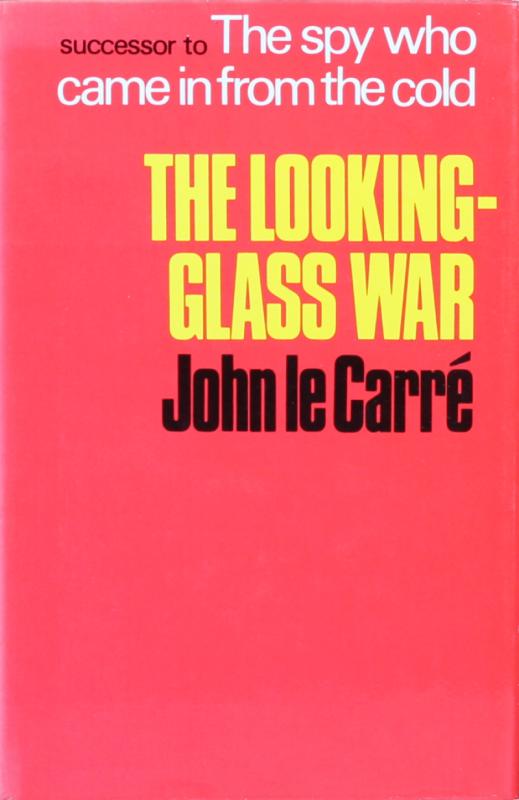
Book Description
Octavo in 16s (197 x 128mm), pp. [10 (half-title, other works by le Carré, title, colophon, dedication, blank, foreword, blank, contents, epigraph)], 246. (Some light spotting on top edges and upper margins.) Original black boards, spine lettered in silver, typographic dustwrapper, price-clipped. (Minimal rubbing at extremities, dustwrapper minimally rubbed and creased at edges, faded on spine as often.) A very good copy.
Dealer Notes
Informed by the author’s belief that ‘the intelligence community, on its knees after a succession of disasters, [was] a measure of the hapless state of the country’ (op. cit., p. 252), The Looking-Glass War ‘is a story of incompetence and self-delusion. A washed-up unit of military intelligence, sustained only by the memory of wartime heroics, decides to mount an operation; an ill-equipped agent is sent into East Germany to investigate insubstantial rumours of missile deployment. The agent, Leiser, is sacrificed to feed the fantasies of the aging men in control of “the Department”’ (loc. cit.). ¶¶
Le Carré’s first three novels had been published by Victor Gollancz, but his dissatisfaction with the publisher had led him to enter discreet negotiations with Charles Pick, the managing director of Heinemann. Despite Gollancz’s immediate acceptance of new terms proposed by le Carré’s agent Peter Watt, the English-language rights for The Looking-Glass War were finally sold to Heinemann for some £145,000 (by comparison, Gollancz had paid an advance of £175 for The Spy who Came in from the Cold). In response to criticisms voiced by his publisher, le Carré made significant changes to the draft text, and The Looking-Glass War ‘would be the only one of David’s books altered radically at an editor’s request’ (op. cit., p. 267). ¶¶
The novel was published in Britain by Heinemann on 21 June 1965 and shortly afterwards in the United States, receiving a somewhat mixed critical reaction on both sides of the Atlantic. Among the positive reviews, however, was Eric Ambler’s for Life magazine, in which the veteran British thriller writer lauded The Looking-Glass War as ‘very well written and very exciting indeed’, judging that with this novel ‘John le Carré may not exactly have done it again but he has done something almost as reassuring. He has made it plain that The Spy who Came in from the Cold was not a fluke, and that those of us who like good spy novels and good writing may expect a long and mutually profitable relationship with him’ (quoted in op. cit., p. 295). ¶¶¶
To order this book, please visit our website: www.TypeAndForme.com or contact us with any enquiries.
Other books
If you liked the book you've just seen, you might be interested in other books from the same dealer below.
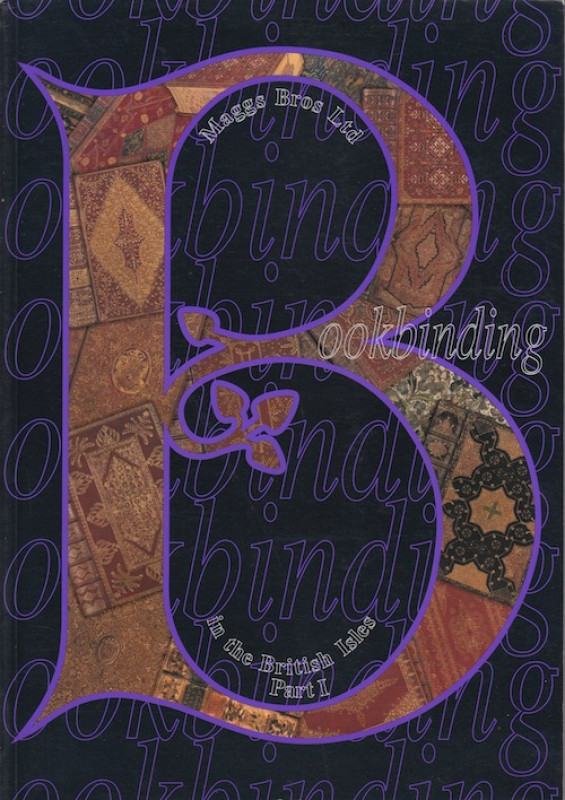
Bookbinding in the British Isles Sixteenth to Twen...
MAGGS BROTHERS LTD
London: B.A.S. Printers Limited for Maggs Bros Ltd
£79.50
Offered by Type & Forme
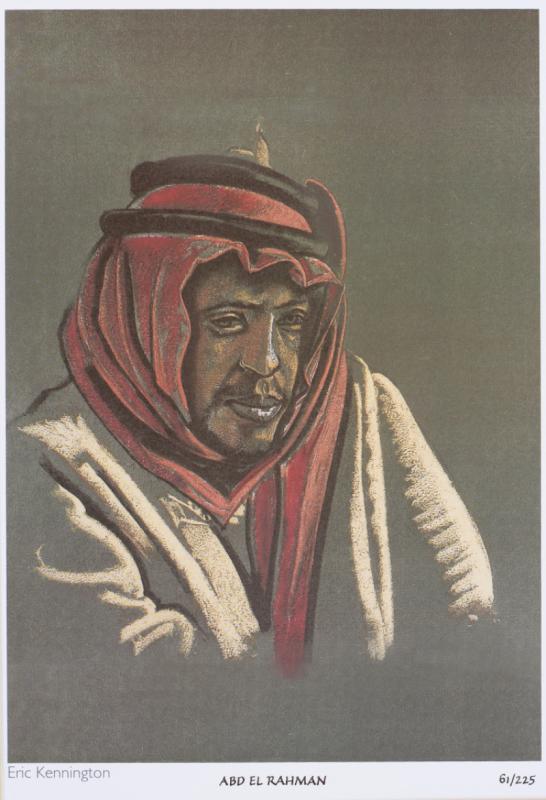
‘Abd el Rahman’ [portrait for Seven Pillars of Wis...
[T.E. Lawrence] -- KENNINGTON, Eric Henri
Fordingbridge: Castle Hill Press
£95.00
Offered by Type & Forme
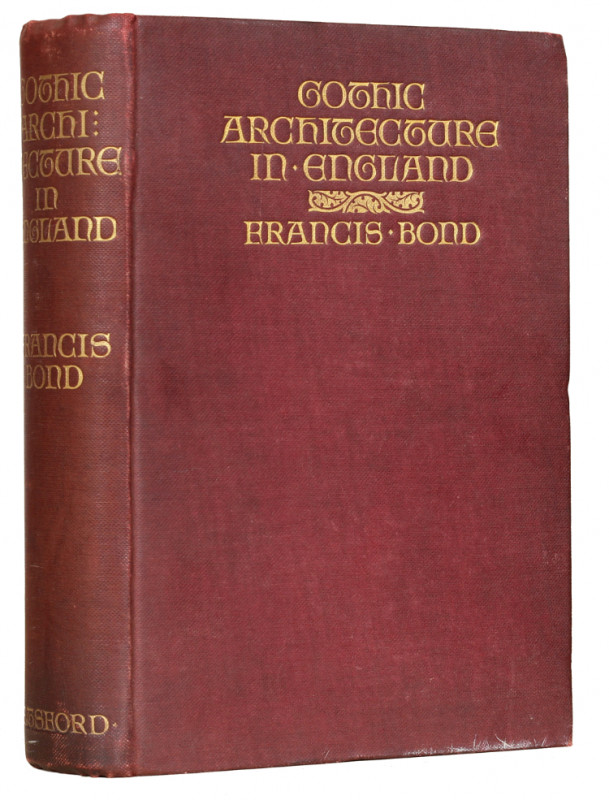
Gothic Architecture in England...
BOND, Francis
London: The Darien Press for B.T. Batsford
£49.50
Offered by Type & Forme
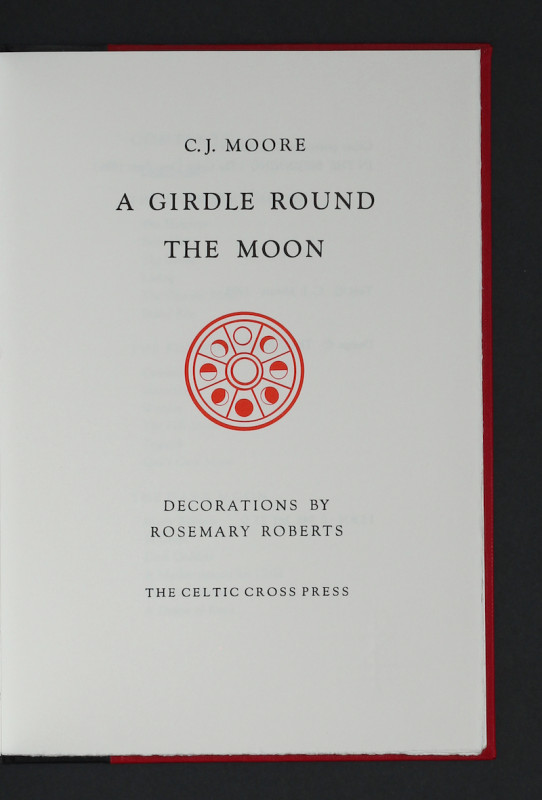
A Girdle Round the Moon [one of 125 copies signed...
MOORE, Christopher J. and Rosemary ROBERTS (artist)
Lastingham: The Celtic Cross Press
£39.50
Offered by Type & Forme
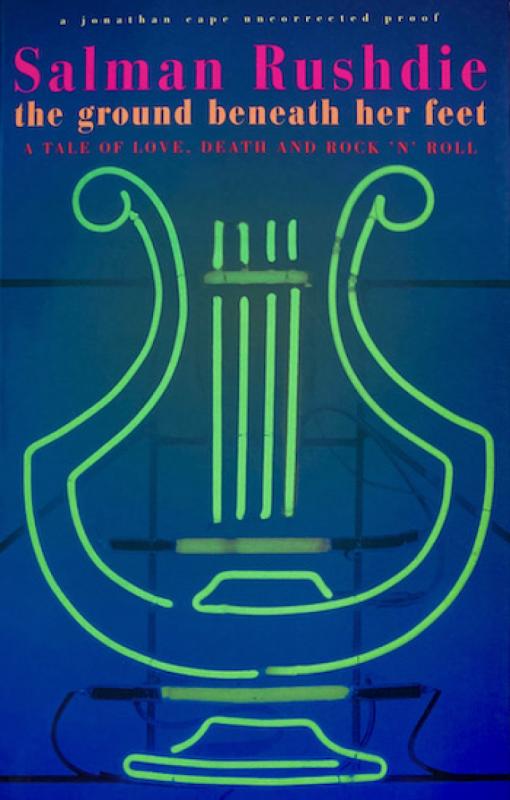
The Ground Beneath her Feet. A Novel [uncorrected...
RUSHDIE, (Ahmed) Salman
London: Jonathan Cape
£19.50
Offered by Type & Forme

A Short History of the Jewish People. Illustrated...
ROTH, Cecil
London: Robert MacLehose and Co. Ltd., The University Press, Glasgow for East and West Library
£69.50
Offered by Type & Forme
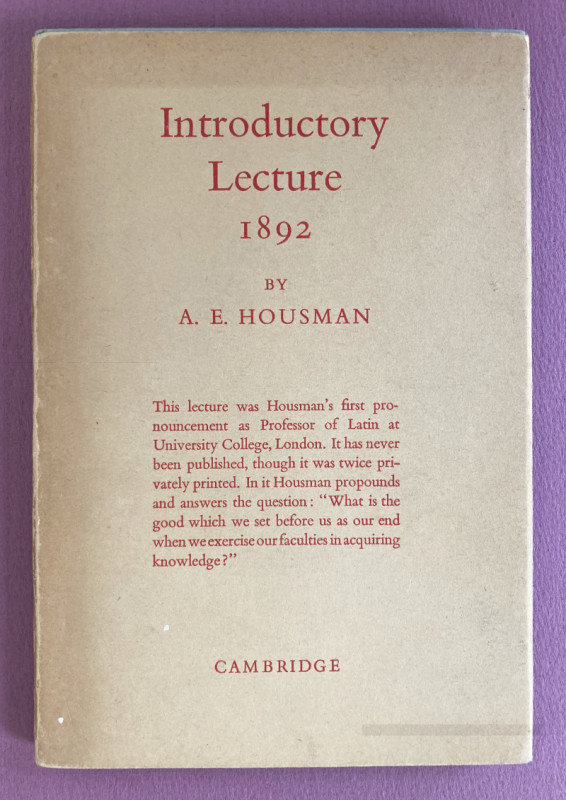
Introductory Lecture Delivered before the Facultie...
HOUSMAN, Alfred Edward
[London]: The University Press, Cambridge [for the Council of University College, London]
£19.50
Offered by Type & Forme
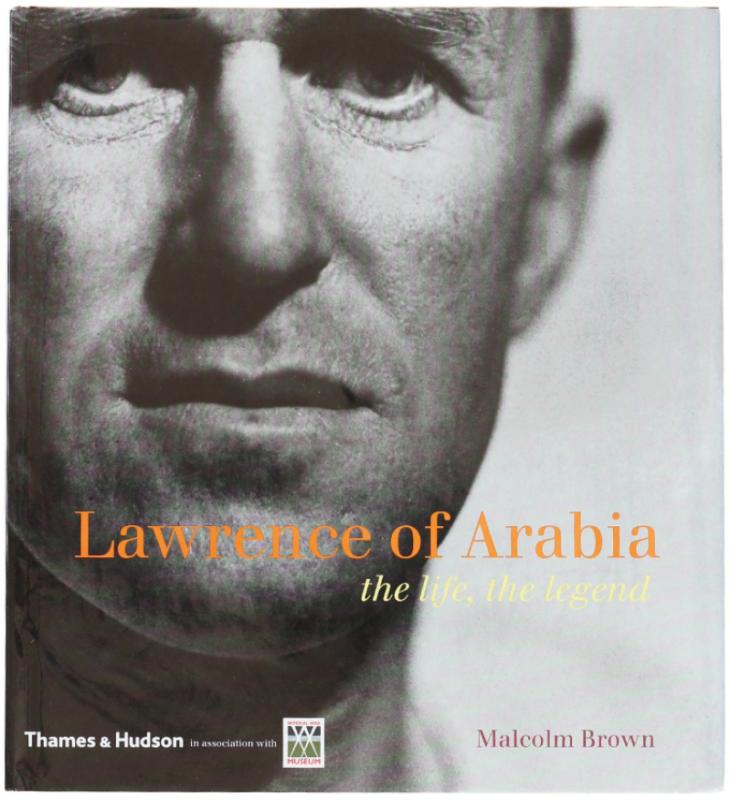
Lawrence of Arabia: the Life, the Legend
BROWN, Malcolm
London: CS Graphics Pte Ltd for Thames & Hudson
£29.50
Offered by Type & Forme
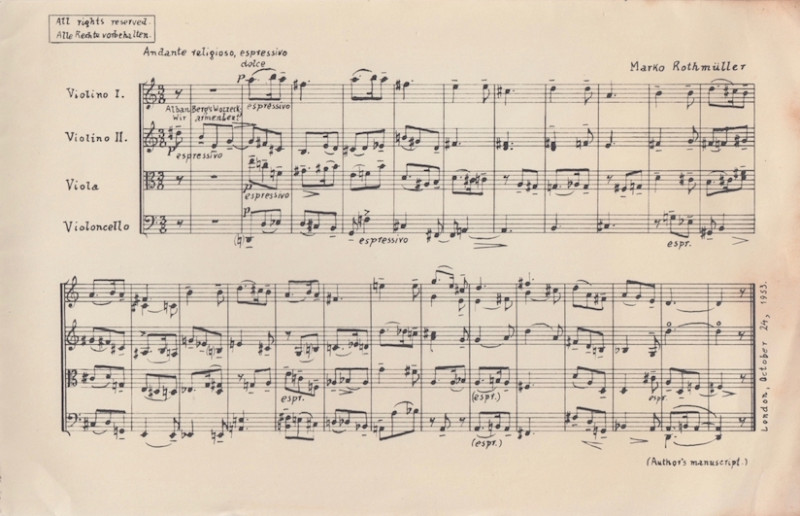
‘Seasons Greetings from Marko Rothmuller’ (card wi...
ROTHMÜLLER, (Aron) Marko
£95.00
Offered by Type & Forme
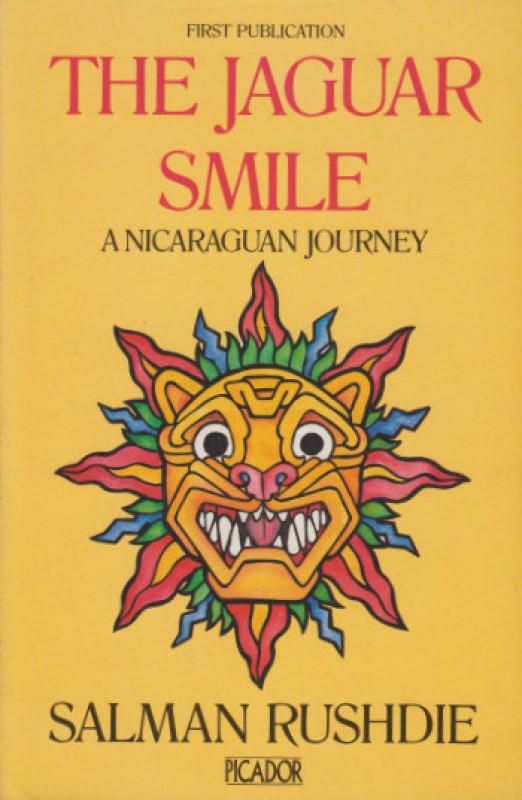
The Jaguar Smile. A Nicaraguan Journey
RUSHDIE, (Ahmed) Salman
London: Richard Clay Ltd for ‘Picador original published by Pan Books in association with Jonathan Cape Ltd’
£29.50
Offered by Type & Forme
Friends of the PBFA
Please email info@pbfa.org for more information