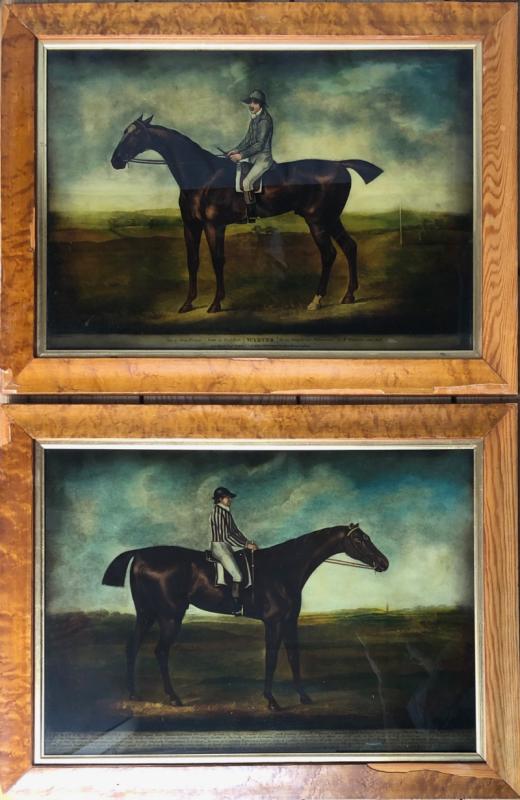
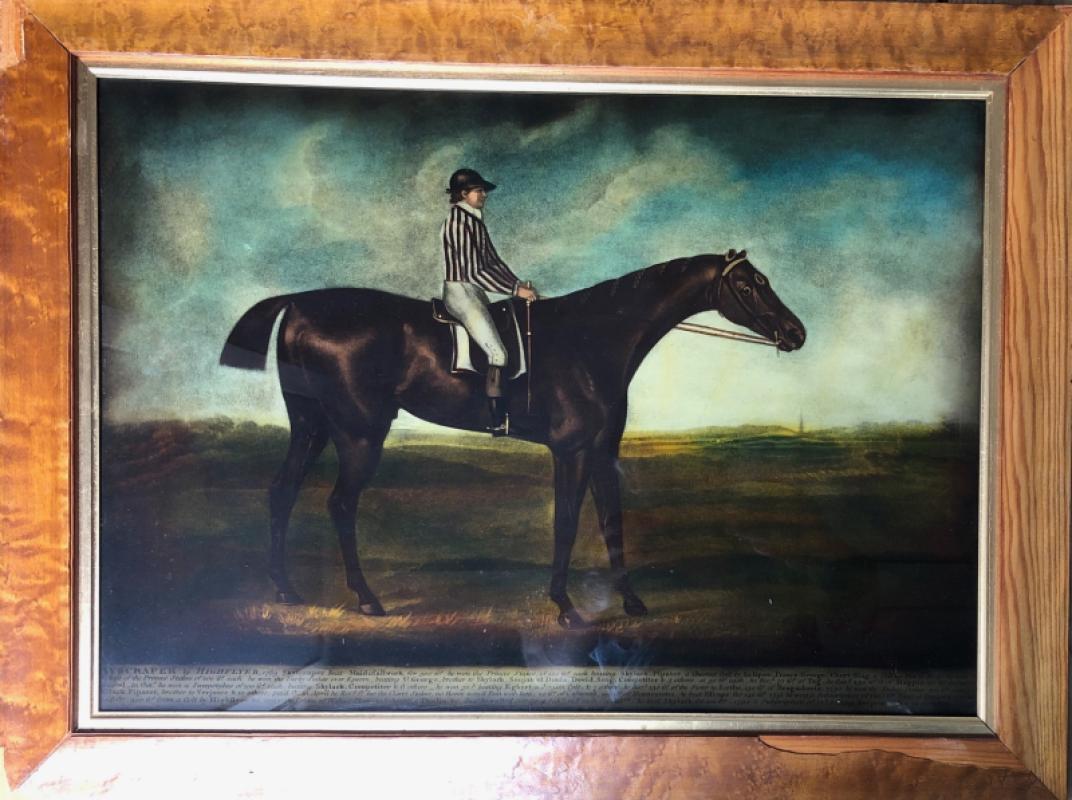
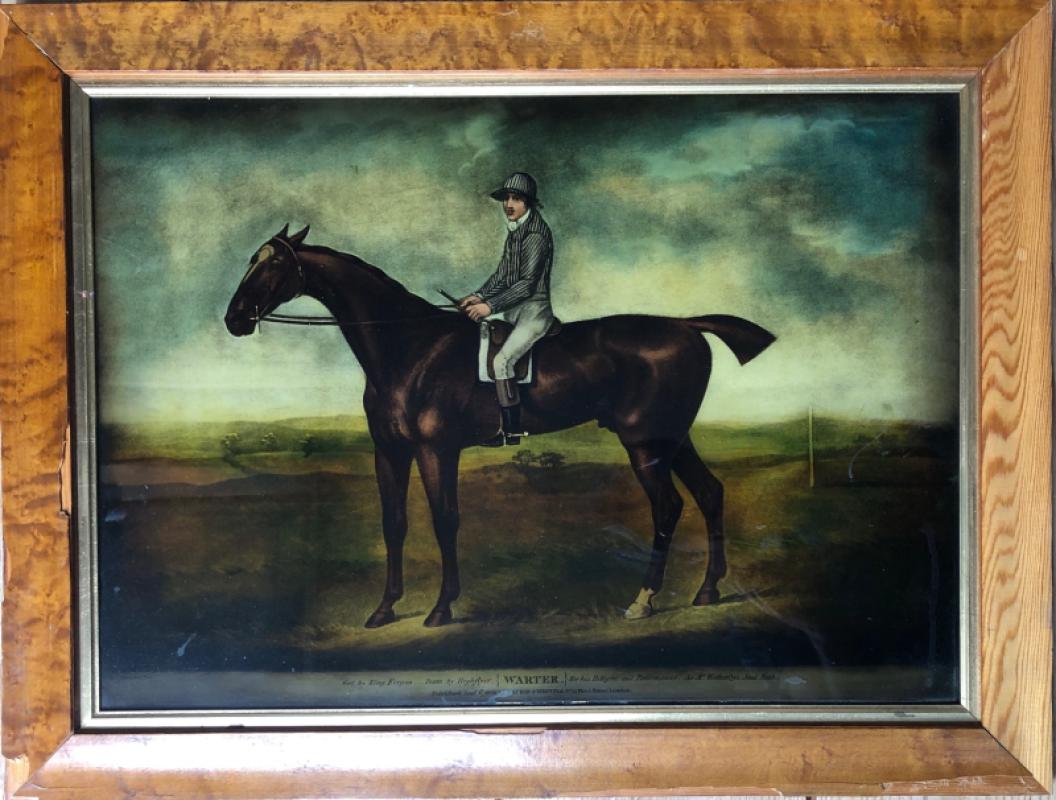
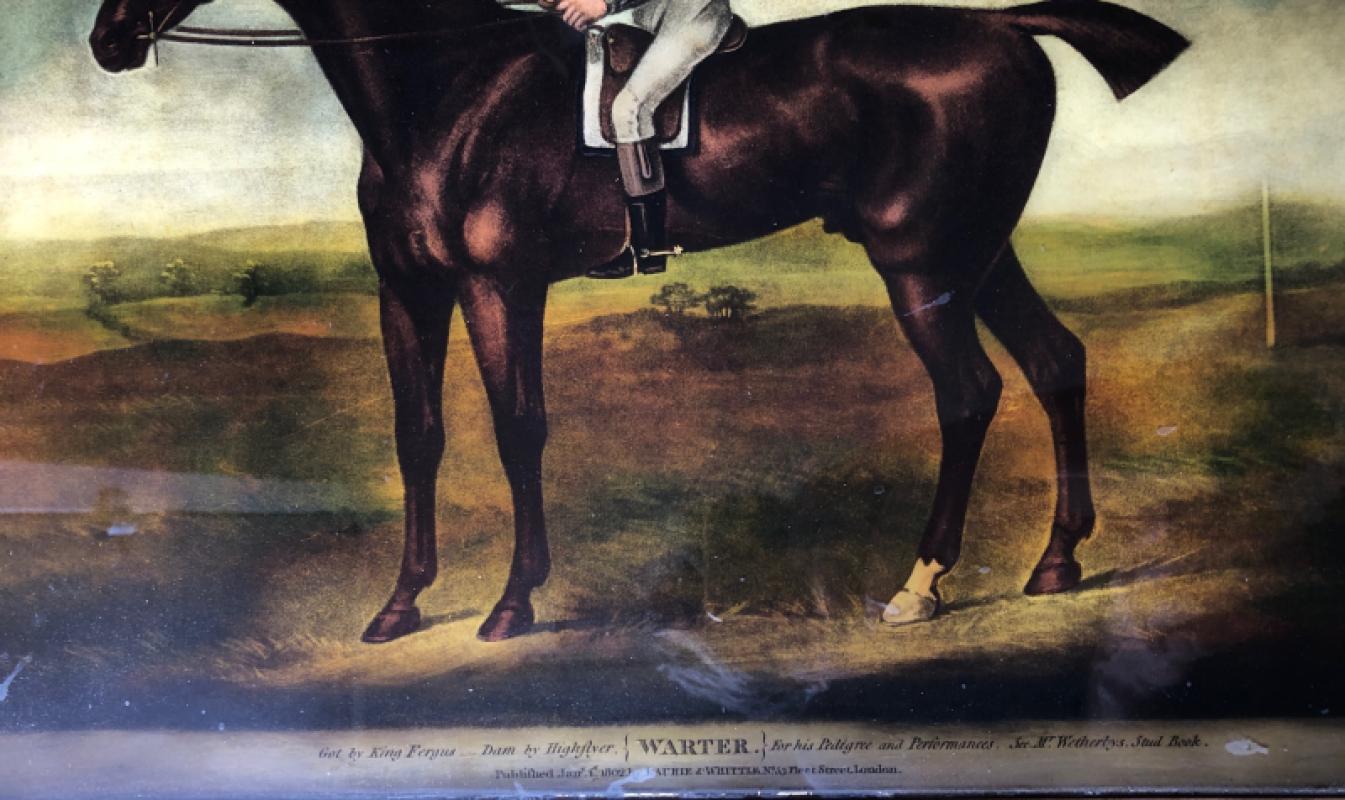
“Skyscraper by Highflyer, 1789 (…)”. / “Warter”. Pair of reverse glass mezzotint prints of racing horses
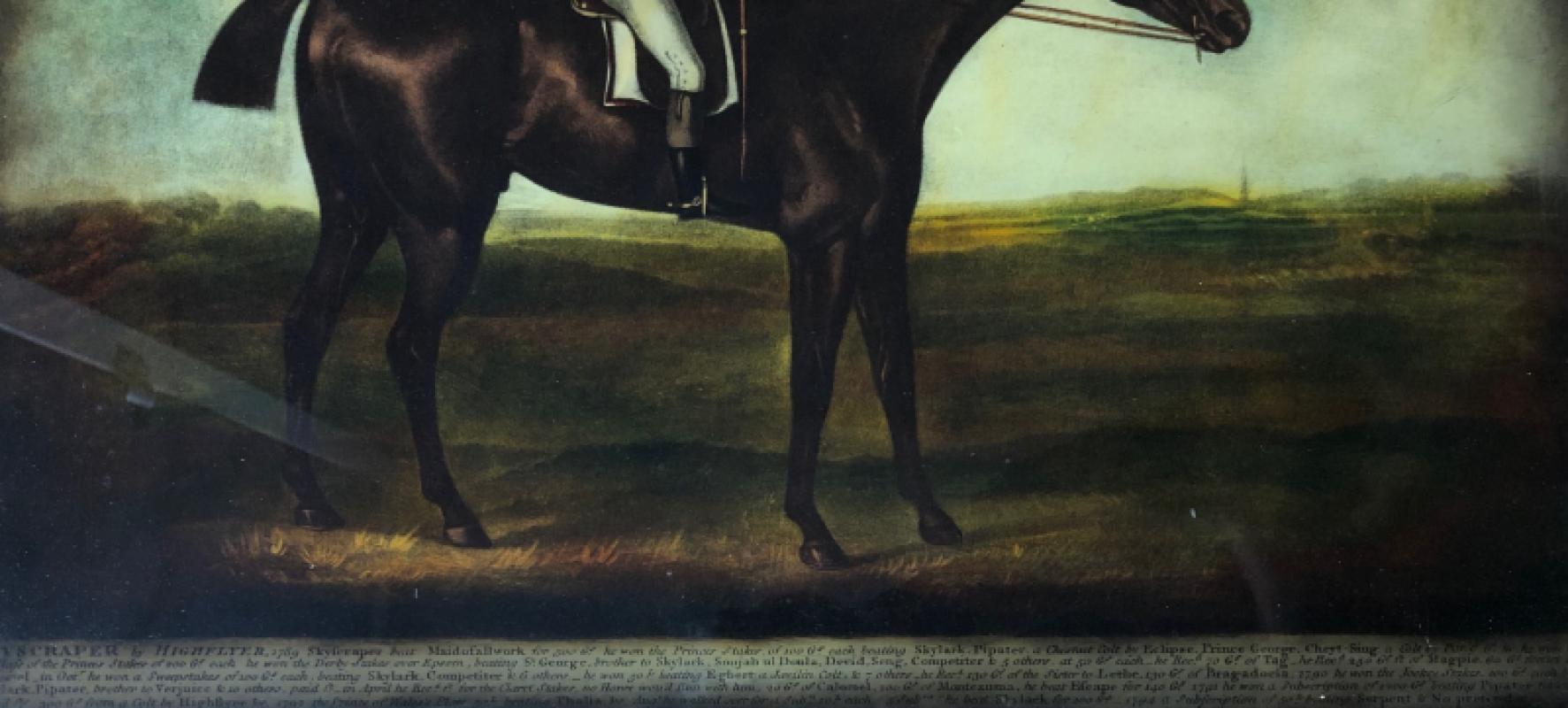
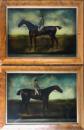


Book Description
Dealer Notes
Price: £1250.00
Offered by Fahrenheit 451 Antiquarian Booksellers
Other books
If you liked the book you've just seen, you might be interested in other books from the same dealer below.

Oleographs, 45 different prints
Raja Ravi Varma Koil Thampuran (29 April 1848–2 October 1906)
Ravi Varma Press Malavli
£60.00
Offered by Fahrenheit 451 Antiquarian Booksellers
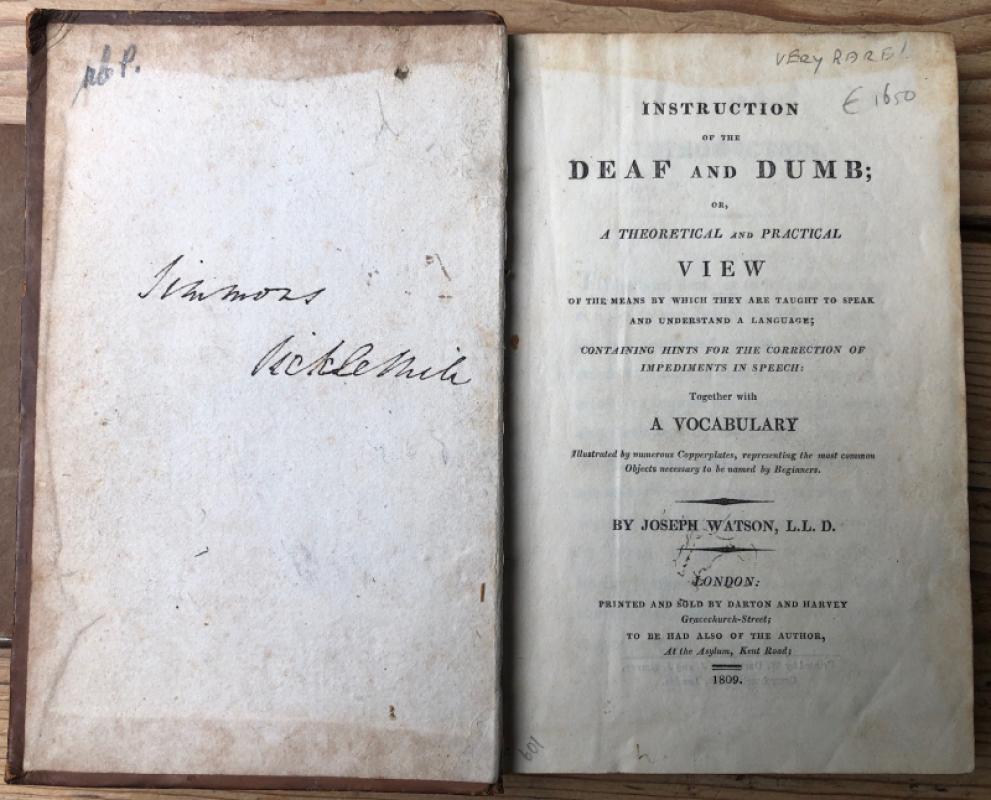
Instruction for the Deaf and Dumb (...). Together...
Watson, Joseph
Darton and Harvey
Reserved
Offered by Fahrenheit 451 Antiquarian Booksellers
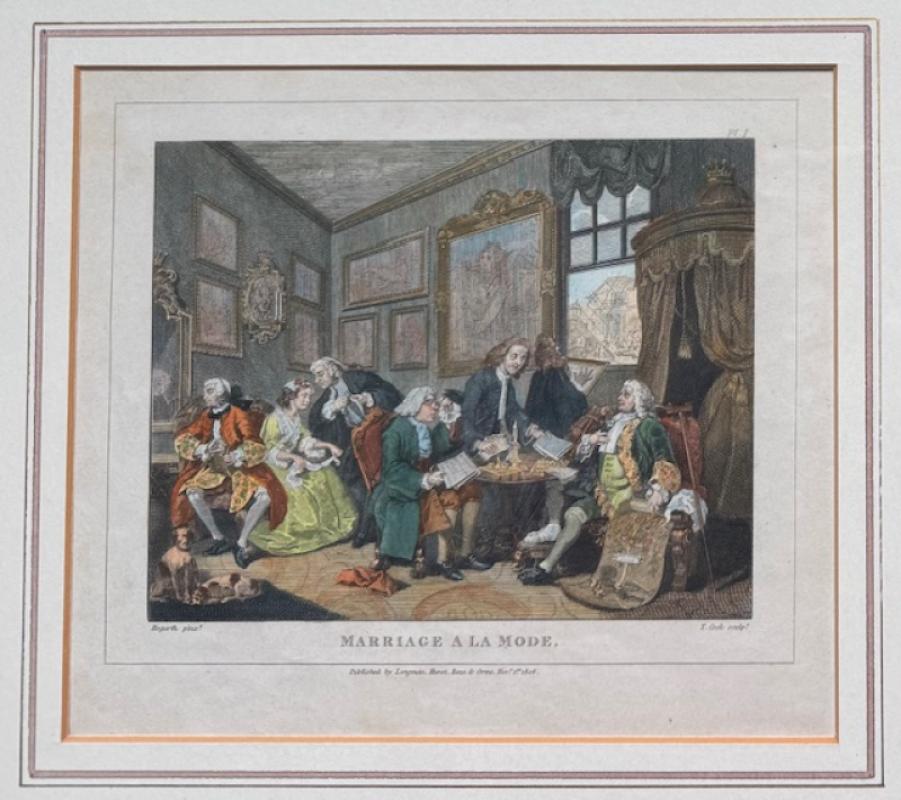
"Marriage à la mode", complete series of 6 handcol...
Hogarth, William (1697-1764 - after), Cook, Thomas (1744-1818)
Longman, Hurst, Rees, & Orme
£795.00
Offered by Fahrenheit 451 Antiquarian Booksellers
“Skyscraper by Highflyer, 1789 (…)”. / “Warter”. P...
Stubbs, George (1724-1806 (after)), Sartorius, John Nost (1759-ca.1830 (after))
Laurie & Whittle
£1250.00
Offered by Fahrenheit 451 Antiquarian Booksellers
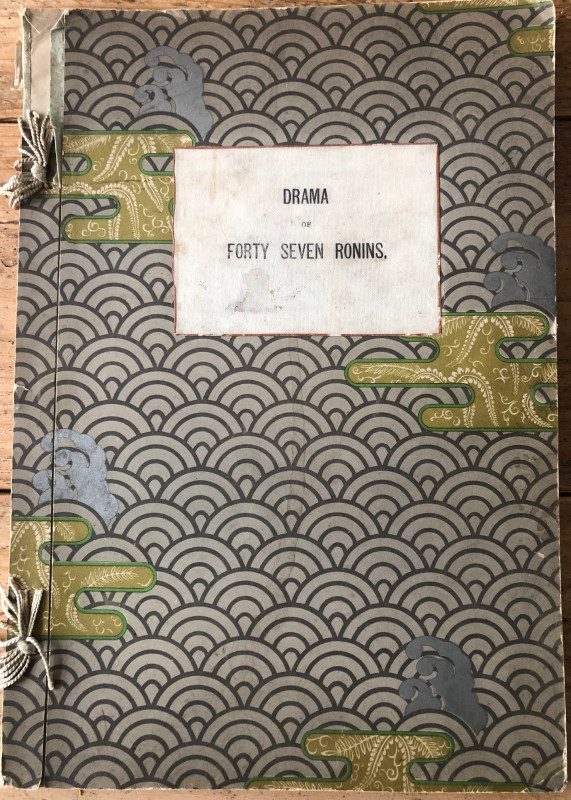
Scenes From the Chiushingura and the Story of Fort...
[Japan]. Murdoch, James (text), Ogawa, Kazumasa (collotypes).
K. Ogawa
£575.00
Offered by Fahrenheit 451 Antiquarian Booksellers
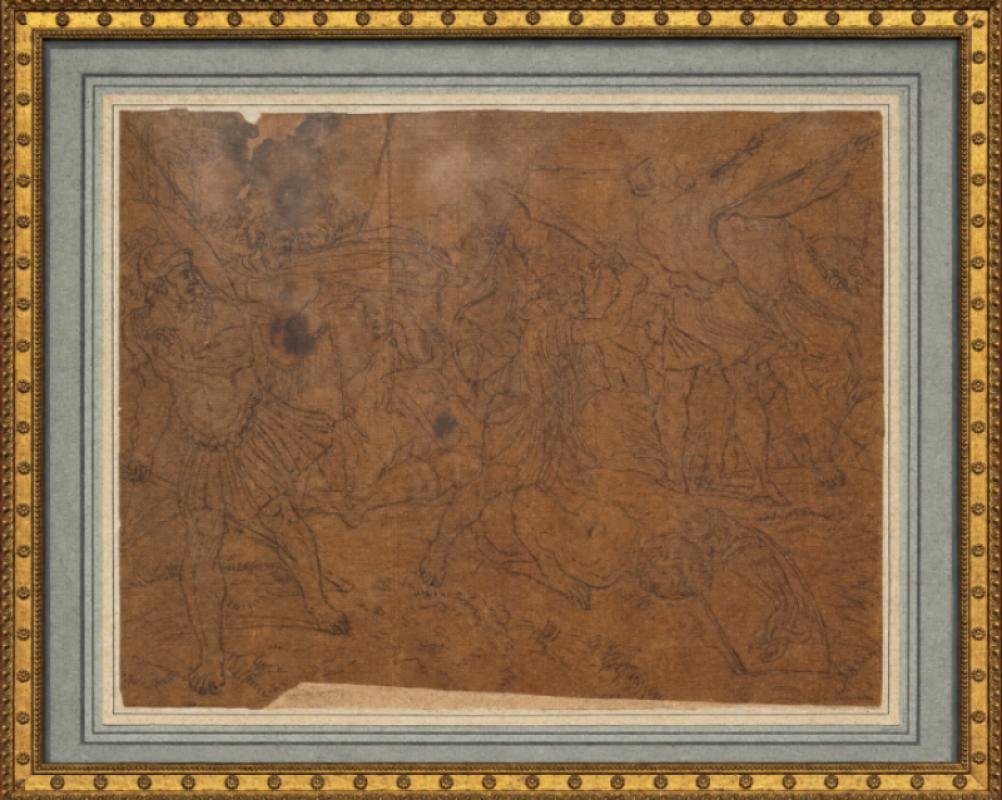
Pair of ink drawings, Italian School, both depicti...
[Italian School, 16th-17th cent.]. Cambioso, Luca (after/ style of)
n/a
£1275.00
Offered by Fahrenheit 451 Antiquarian Booksellers
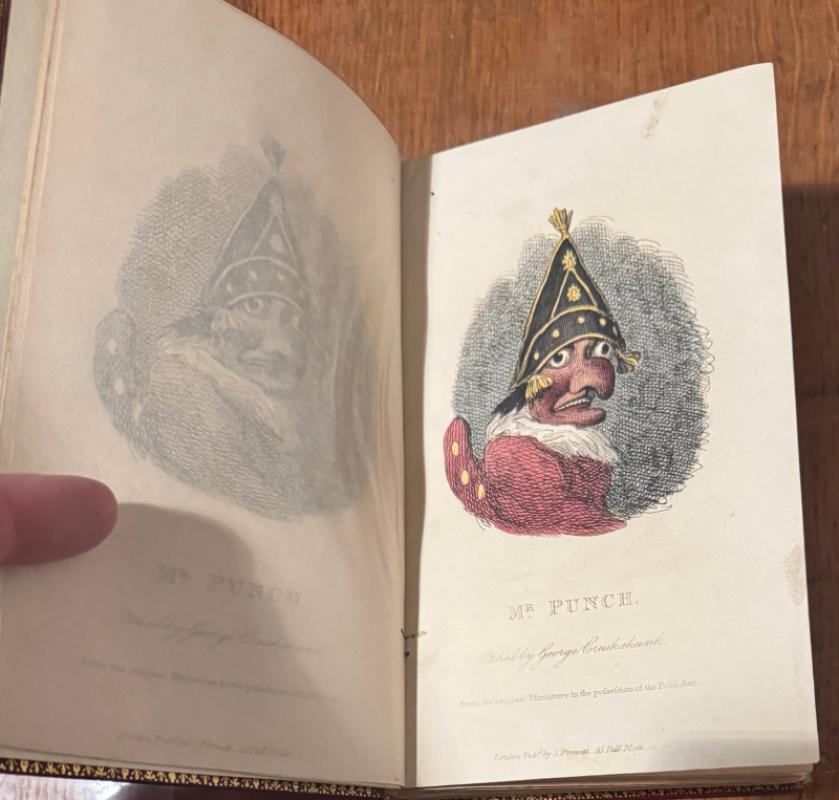
Punch and Judy. With illustrations designed and en...
Cruikshank, George (1792-1878)
S. Prowett
£995.00
Offered by Fahrenheit 451 Antiquarian Booksellers
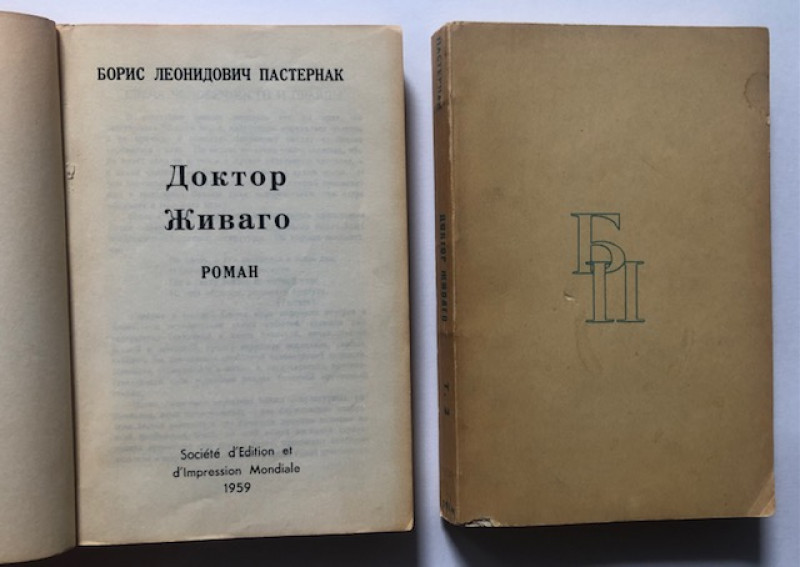
Doctor Zhivago. Roman. (Title originally in Cyrill...
Pasternak, Boris (1890-1960)
Societe d'Edition et d'Impression Mondiale
£2325.00
Offered by Fahrenheit 451 Antiquarian Booksellers
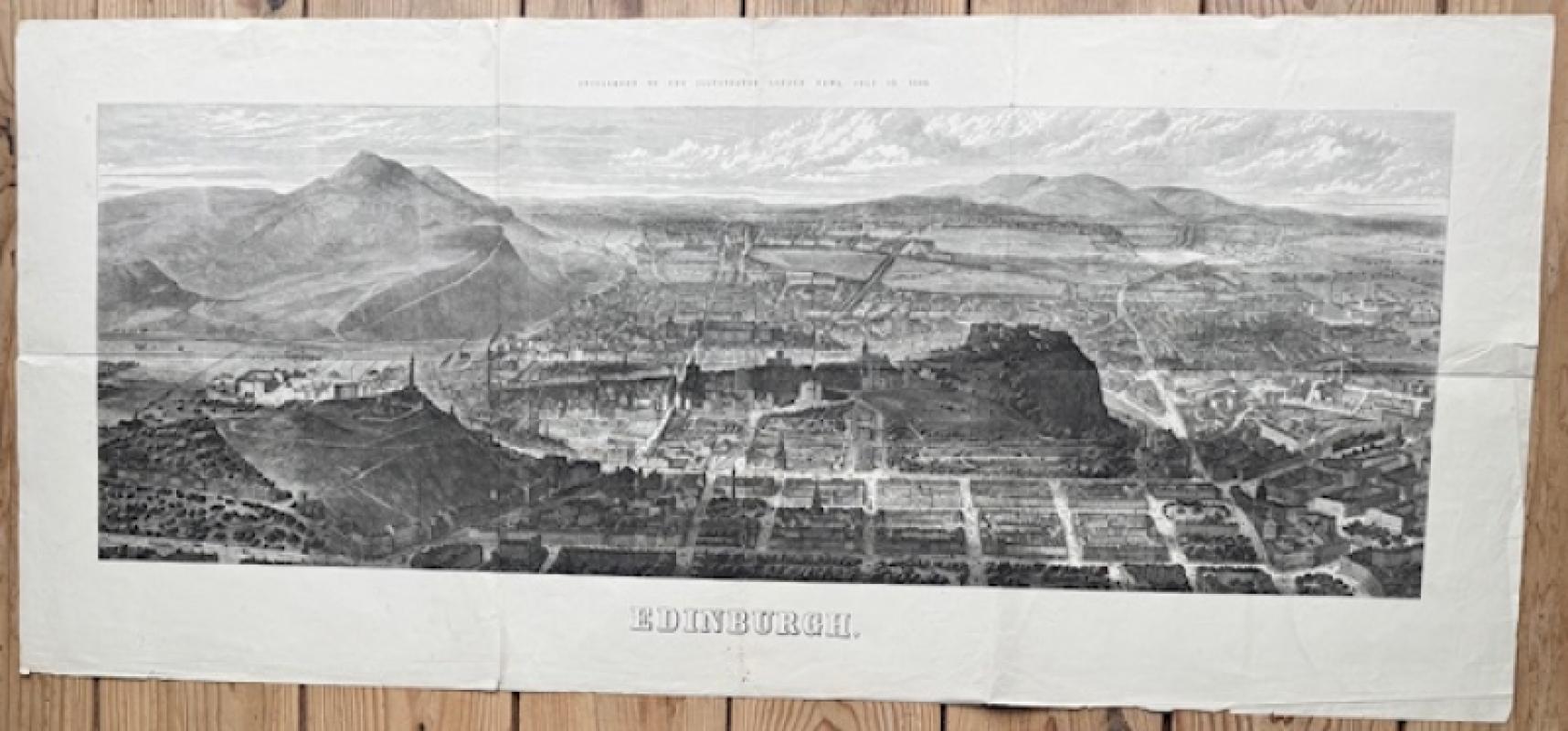
"Edinburgh". Supplement to the Illustrated London...
Sulman, Thomas
Illustrated London News
£495.00
Offered by Fahrenheit 451 Antiquarian Booksellers
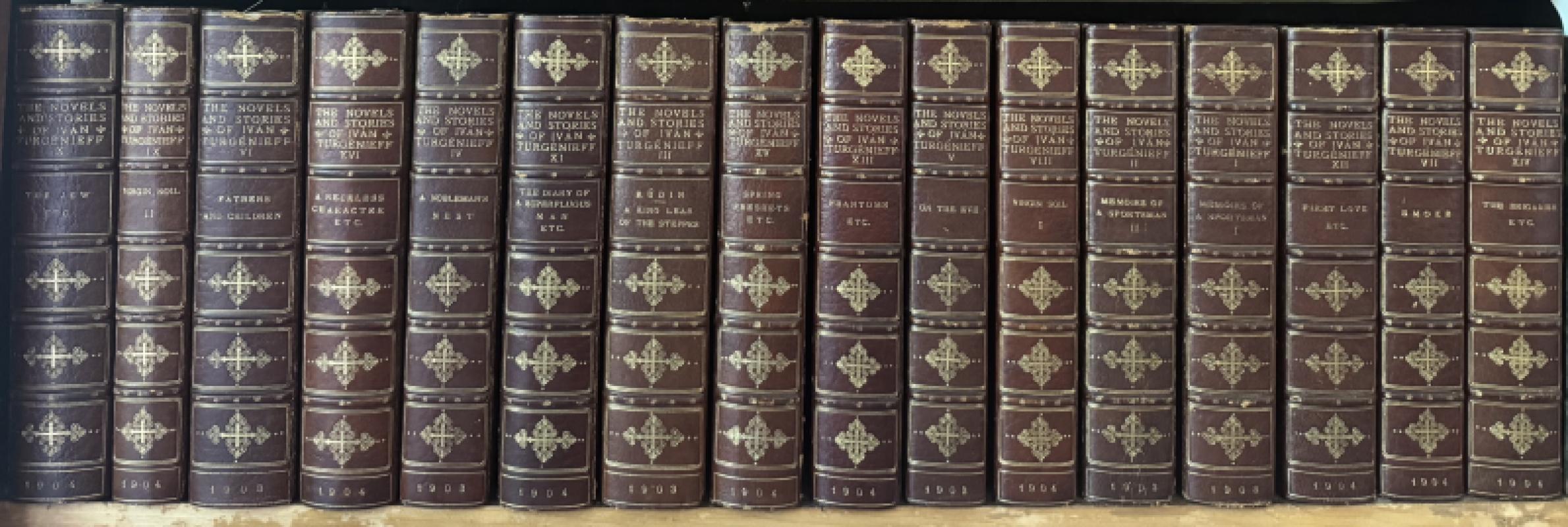
The Novels and Stories of Ivan Turgenieff. Transla...
Turgenieff (Turgenev), Ivan (1818-1883)
Scribner's
£2575.00
Offered by Fahrenheit 451 Antiquarian Booksellers
Friends of the PBFA
Please email info@pbfa.org for more information