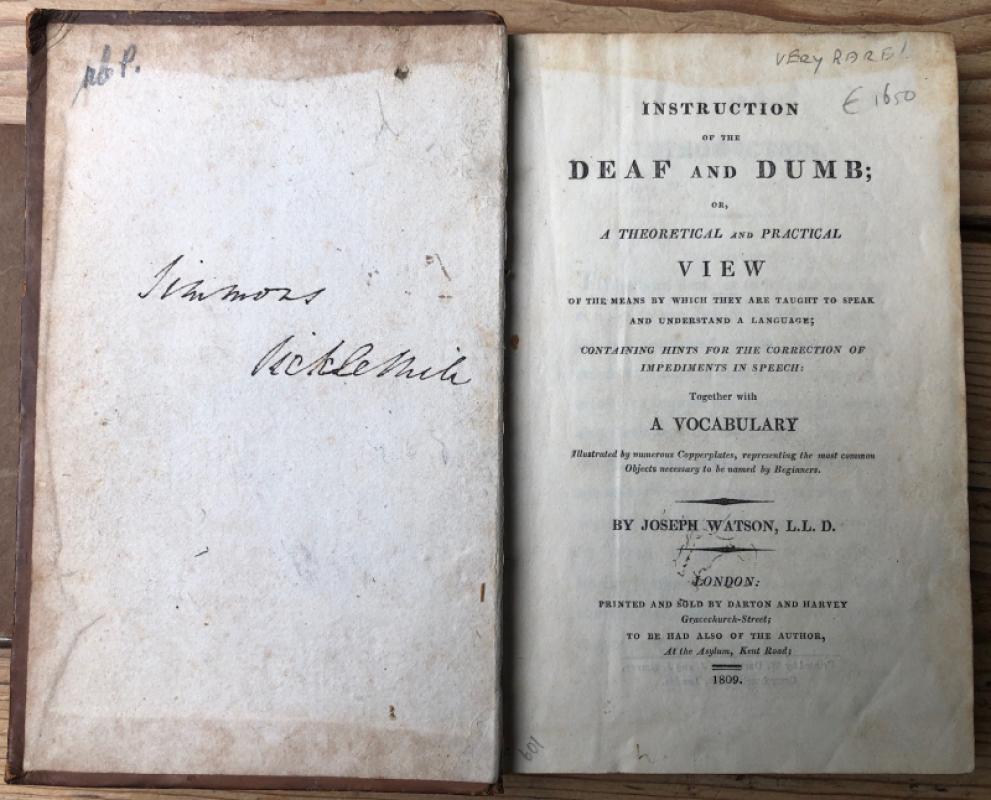
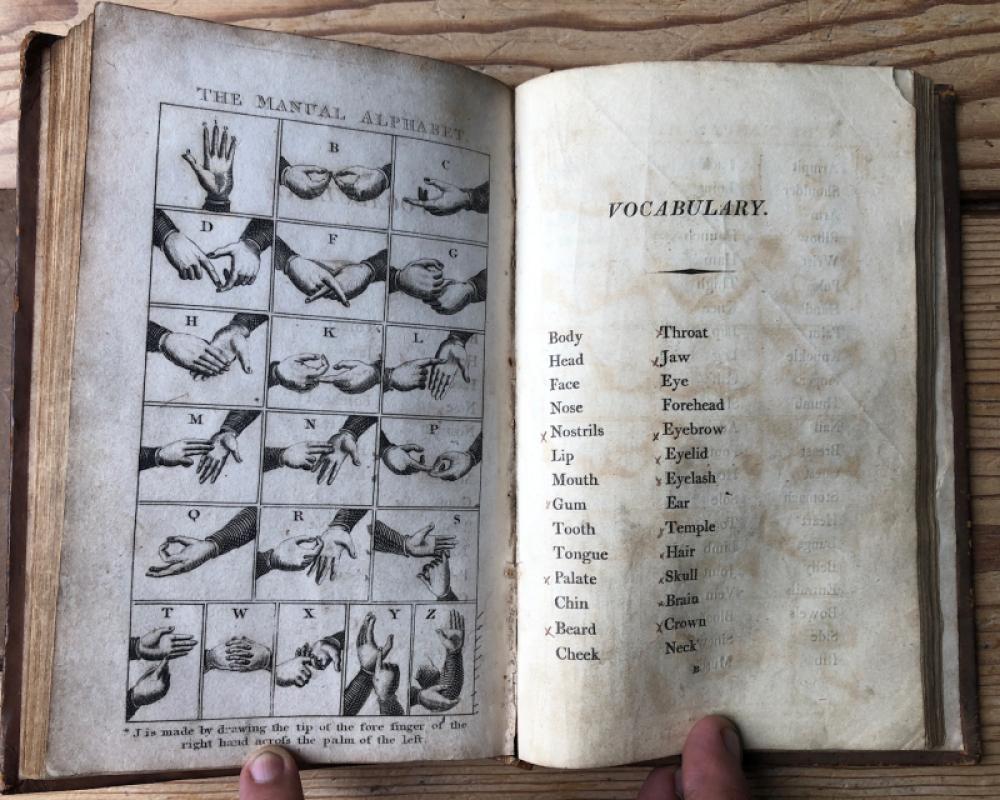
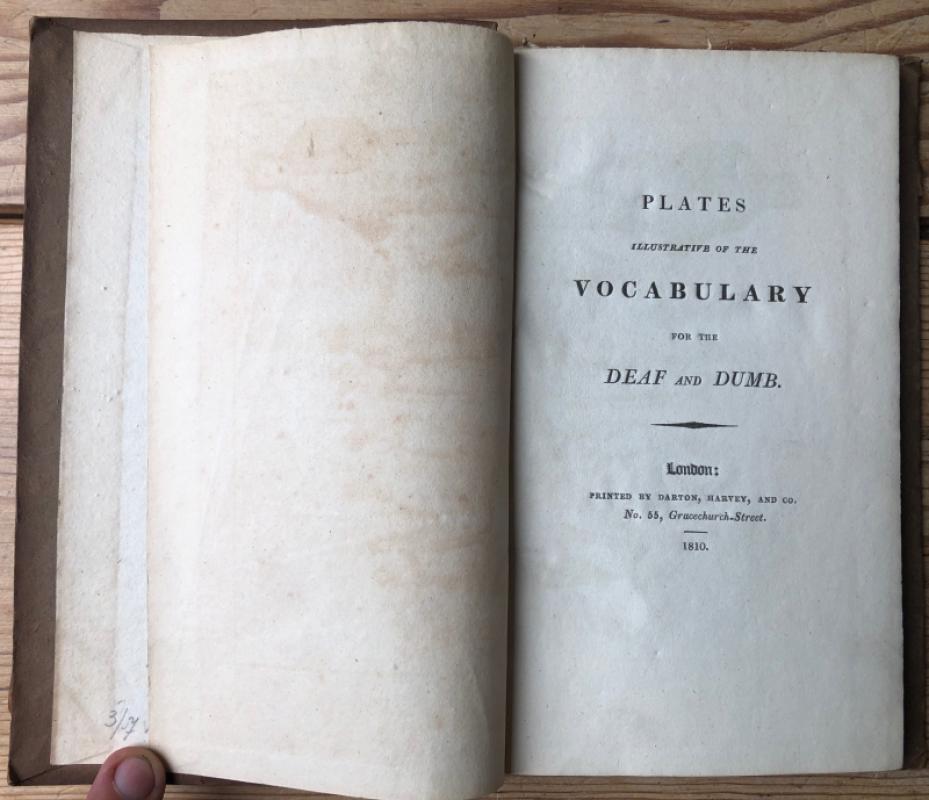
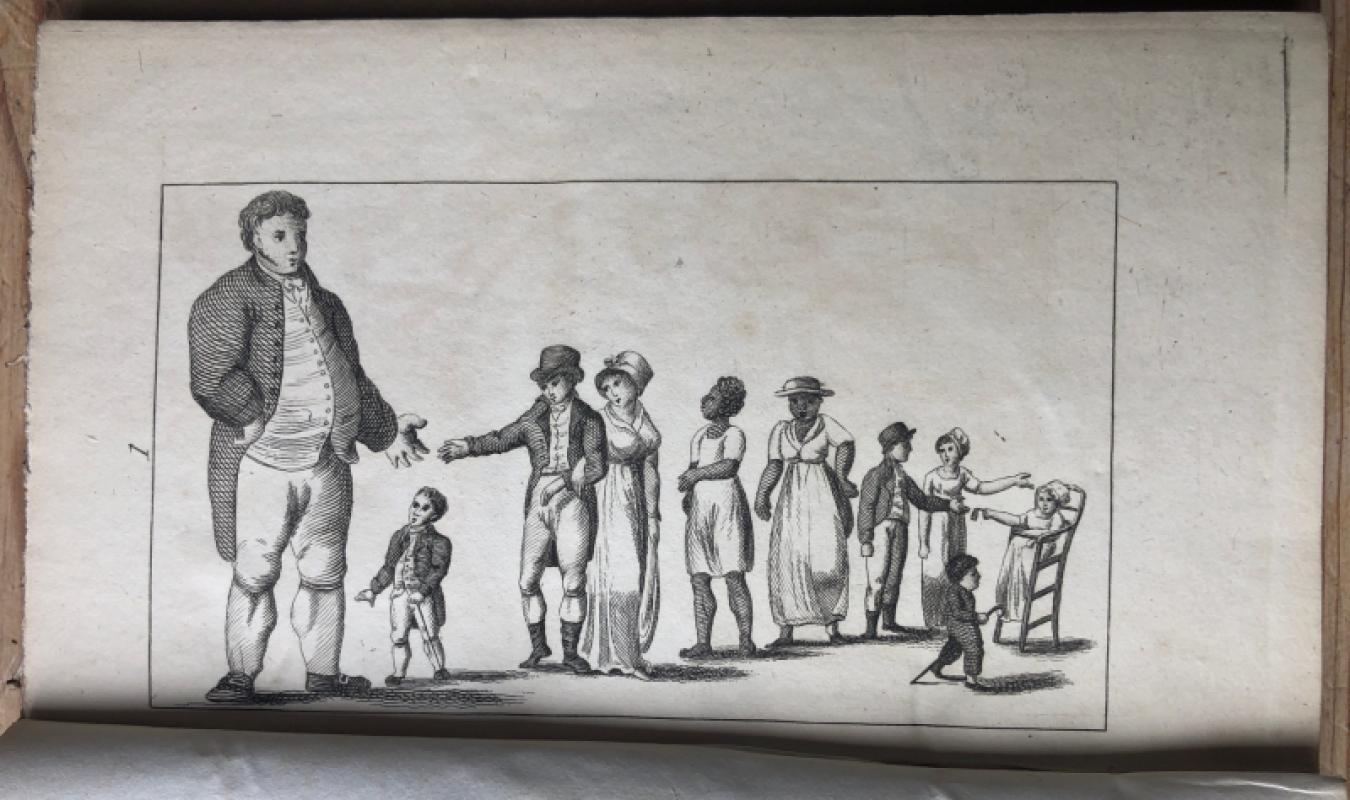
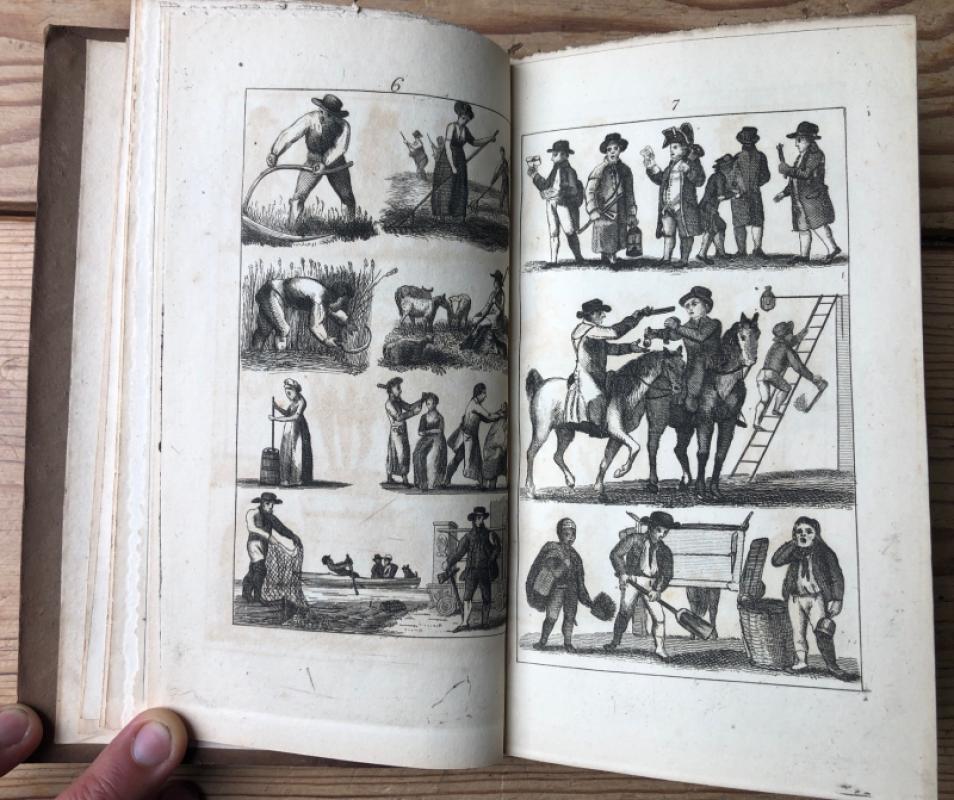
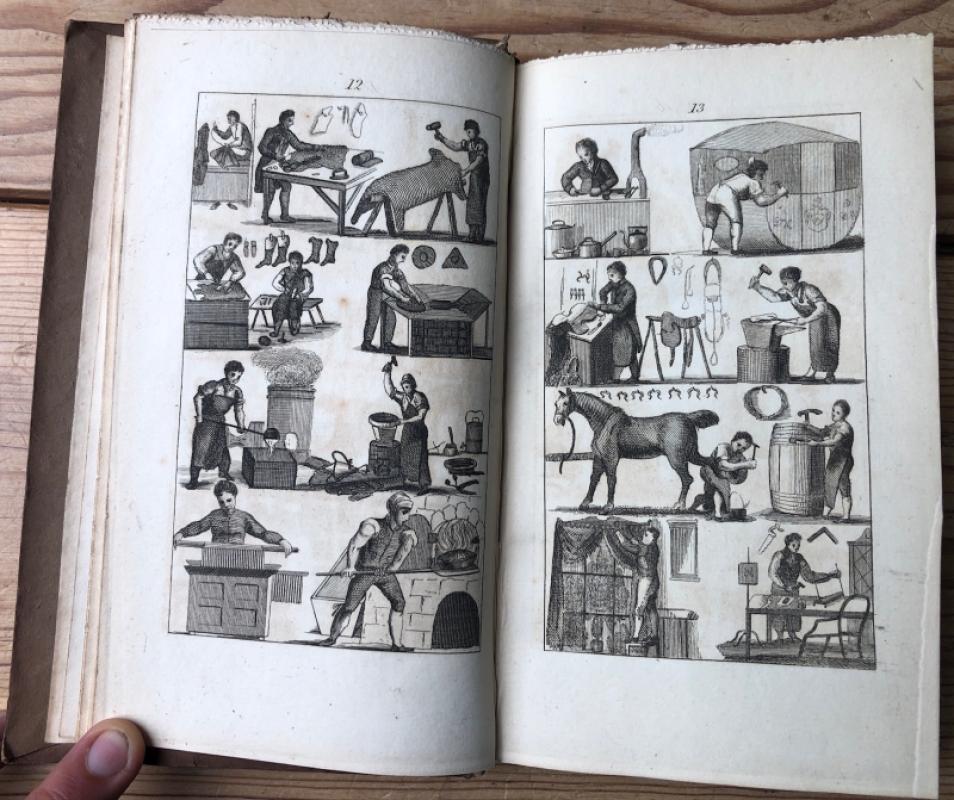
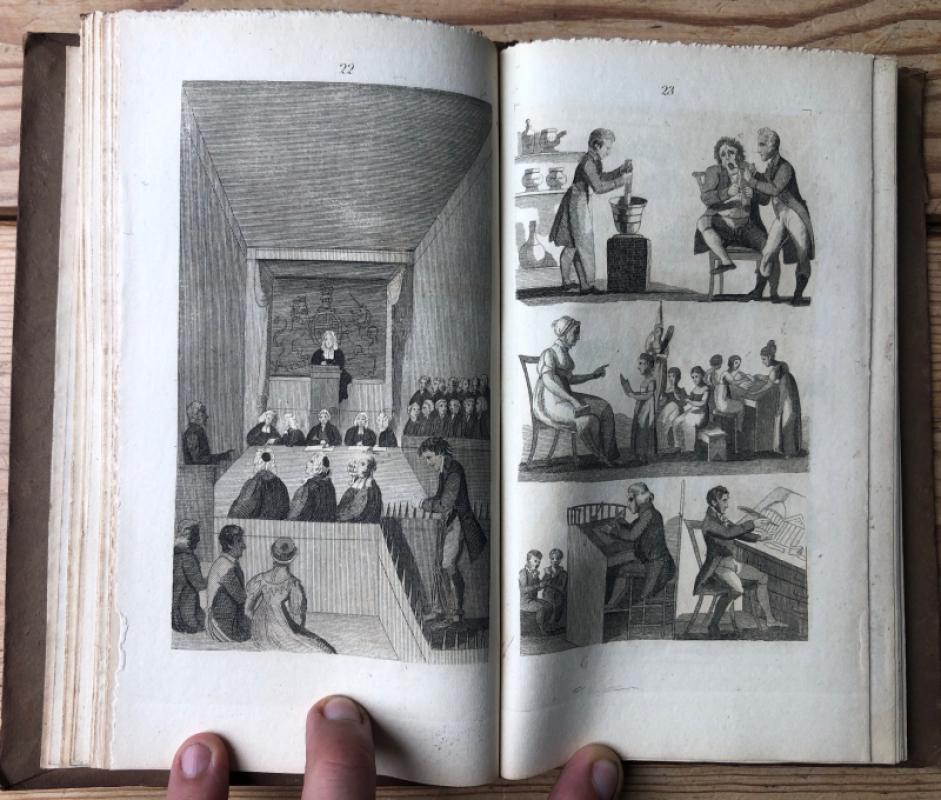
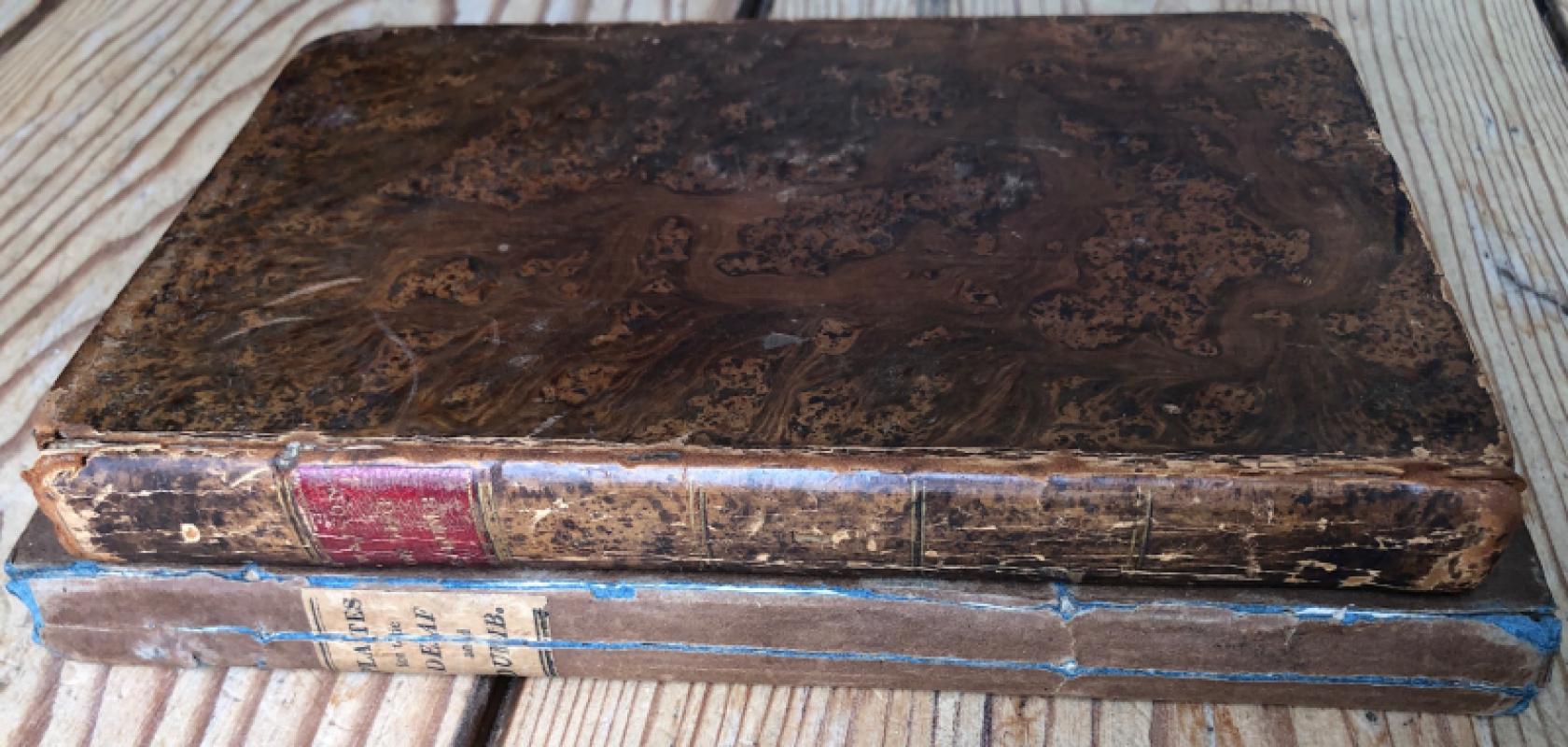
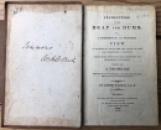
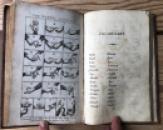
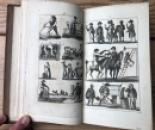
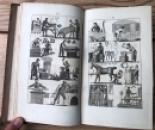
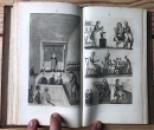
Instruction for the Deaf and Dumb (...). Together with a Vocabulary. Illustrated by numerous Copperplates. [Rare first edition, complete in two volumes, incl. the plate-volume]
Book Description
Dealer Notes
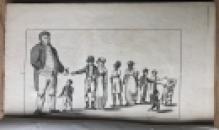
The children were taught to read and write but his policy of teaching lip-reading over sign language - the argument being that the children would have to communicate with the world rather than in a private code with each other - would be controversial now.
Other books
If you liked the book you've just seen, you might be interested in other books from the same dealer below.
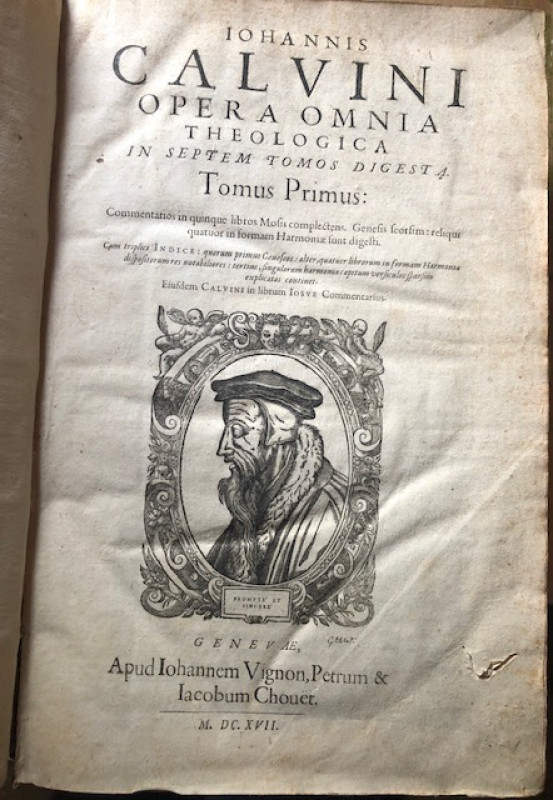
Johannis Calvini Opera Omnia Theologica in septem...
Calvinus, J. (Calvin, John; Calvijn (1509-1564))
J. Vignon/ P. & J. Chouët
£15750.00
Offered by Fahrenheit 451 Antiquarian Booksellers
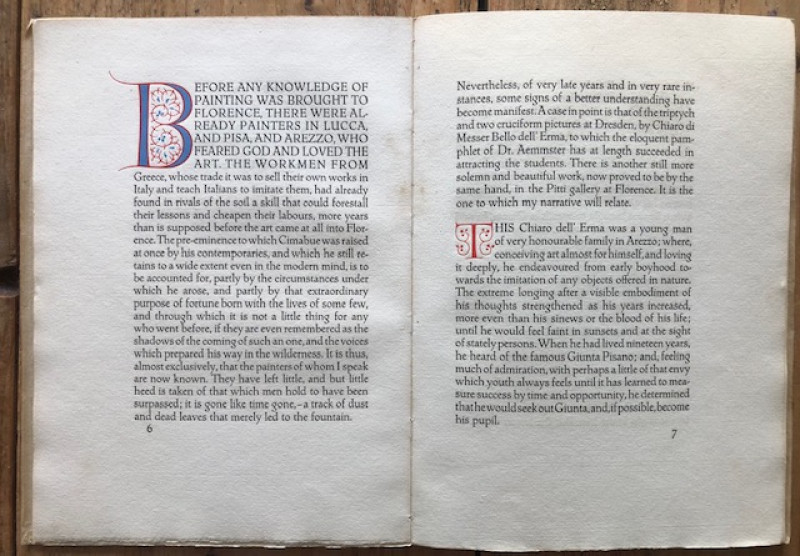
Hand and Soul
[Heuvelpers]. Rossetti, Dante Gabriel
De Heuvelpers
£375.00
Offered by Fahrenheit 451 Antiquarian Booksellers
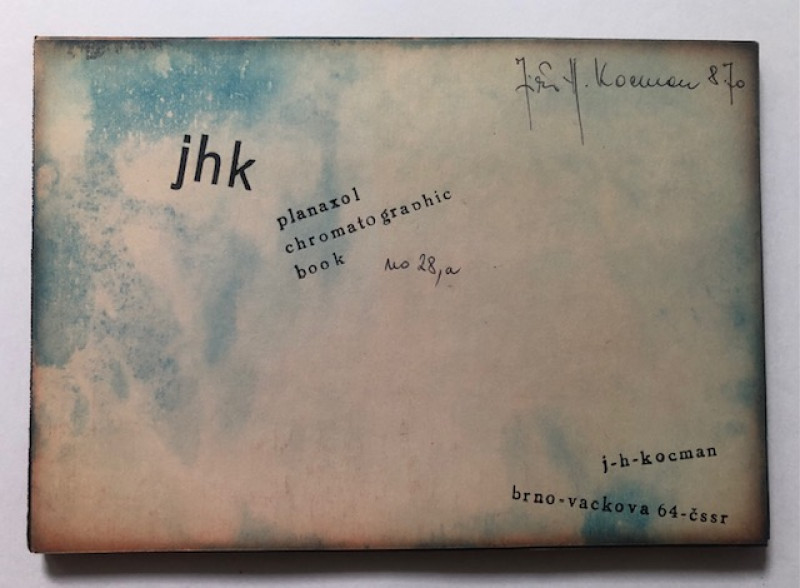
JHK planaxol chromatographic book
Kocman, Jiri H. (b.1947)
Jiri Kocman
£3075.00
Offered by Fahrenheit 451 Antiquarian Booksellers

. L'an. Poemes de Thomas Braun. Illustré de Franz...
Melchers, Franz M. (1868-1944 - images), Braun, Thomas (text)
E. Lyon Claesen
£2325.00
Offered by Fahrenheit 451 Antiquarian Booksellers
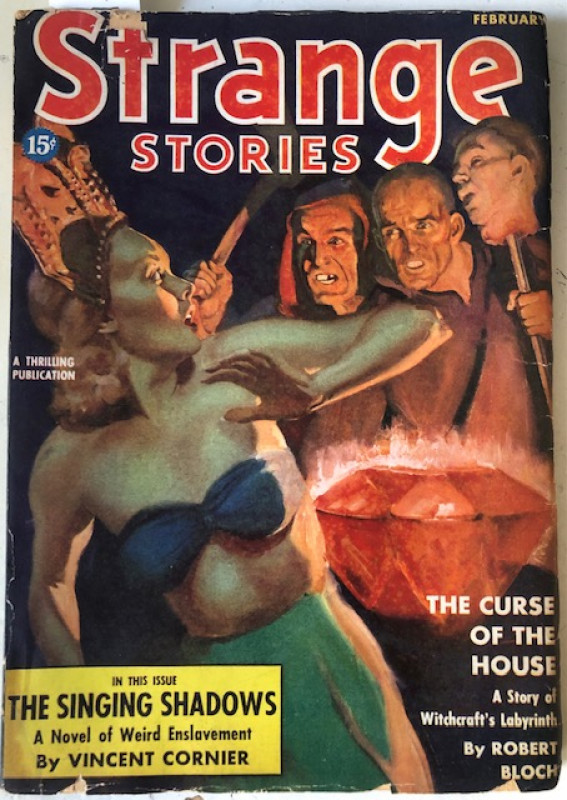
Strange Stories, vol.1, no.1 (February 1939). Pulp...
n/a
Better Publications
£350.00
Offered by Fahrenheit 451 Antiquarian Booksellers
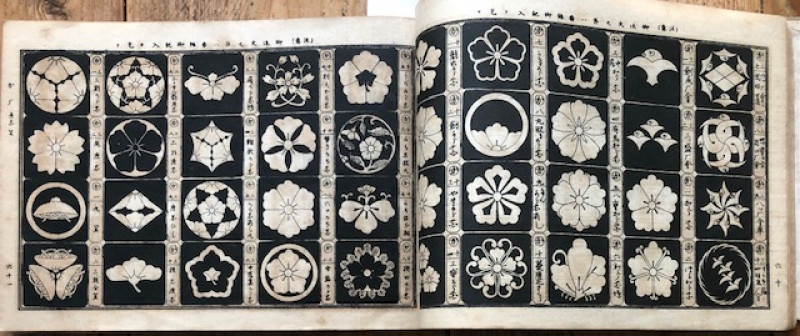
[Japan]. (Kamon, Book of Japanese Family Crests)
n/a
n/a
£650.00
Offered by Fahrenheit 451 Antiquarian Booksellers
Instruction for the Deaf and Dumb (...). Together...
Watson, Joseph
Darton and Harvey
Reserved
Offered by Fahrenheit 451 Antiquarian Booksellers
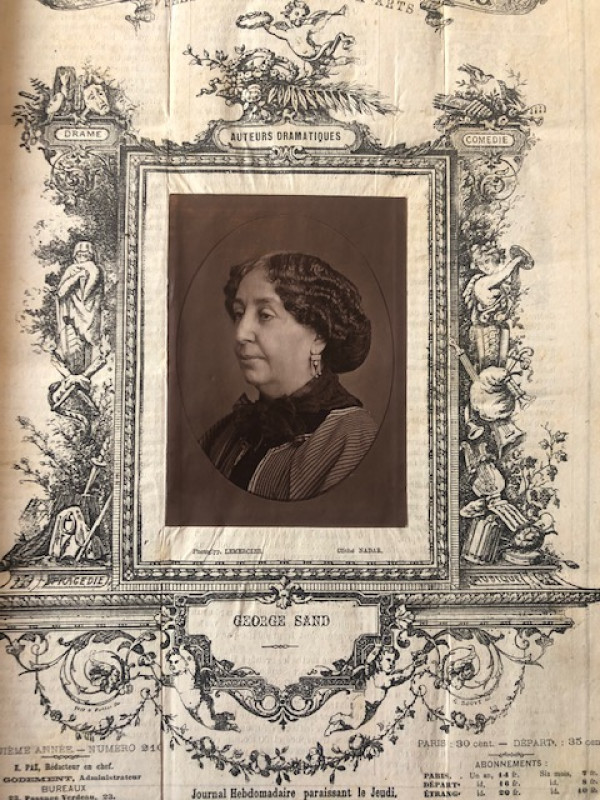
[Theatre. Photography]. Paris-Theatre, Journal pro...
n/a
Paris-Theatre
£4500.00
Offered by Fahrenheit 451 Antiquarian Booksellers
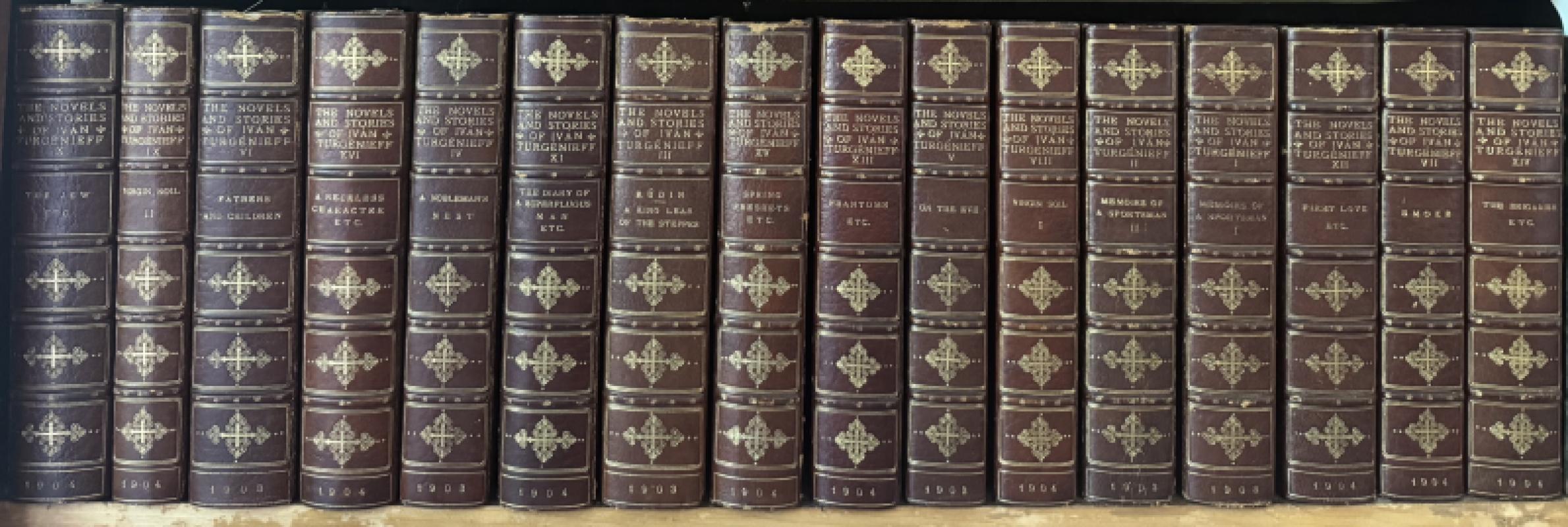
The Novels and Stories of Ivan Turgenieff. Transla...
Turgenieff (Turgenev), Ivan (1818-1883)
Scribner's
£2575.00
Offered by Fahrenheit 451 Antiquarian Booksellers
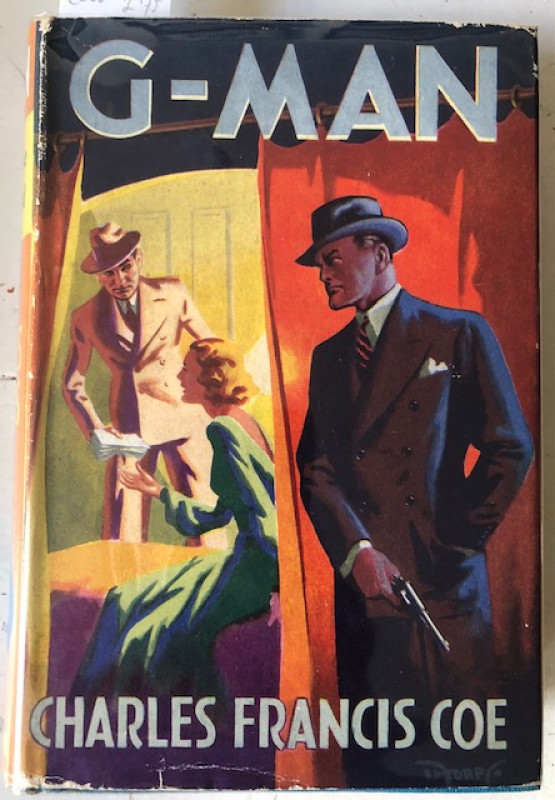
G-Man. [Rare first edition in original dustjacket]
Coe, Charles Francis
Hutchinson & Co.
£170.00
Offered by Fahrenheit 451 Antiquarian Booksellers
Friends of the PBFA
Please email info@pbfa.org for more information