The Man with the Golden Gun
Book Description
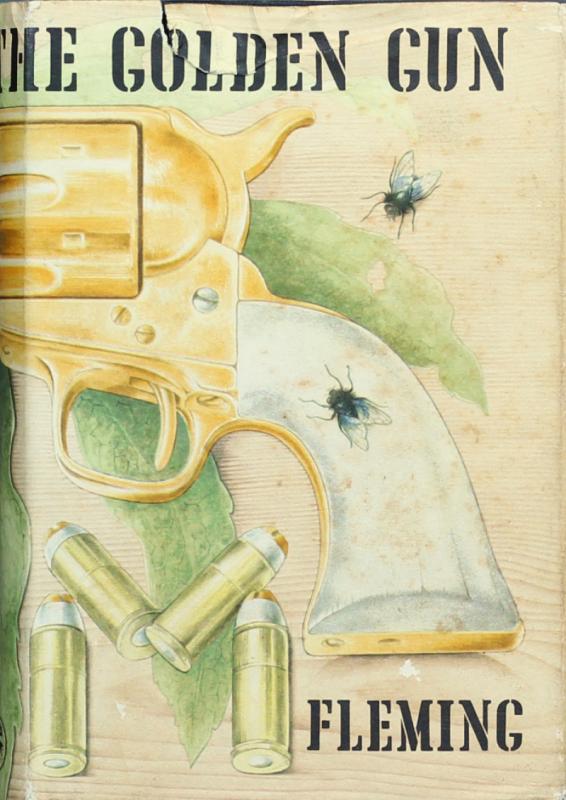
Octavo (181 x 125mm), pp. [i]-v, [6-8 (blank, section title, blank)], 9-221, [1 (blank)], [2 (final blank l.)]. (Occasional very light spotting, a few very light marks.) Original black Type C (Excelin) cloth, spine lettered and with publisher’s device in bronze, green patterned endpapers [Gilbert’s second state ‘Binding B’], dustwrapper with trompe-l’œil design by Richard Chopping with Jonathan Cape’s decorative clip of corners, not price-clipped. (Corners slightly bumped, spine slightly leant, dustwrapper very lightly spotted and rubbed, edges slightly creased with minor chipping, top of front panel with short tear.) A very good copy. ¶¶¶
Dealer Notes
In this copy, the printing error recorded by Gilbert for p. 132, l. 18 (the occasionally battered appearance of the letter ‘g’ in the only word in the line, ‘gun’, apparently caused by deterioration in later impressions), is not present, suggesting that this might be an earlier impression. Gilbert notes that 81,890 copies of the first edition were bound for publication. This example is the second state of the design (without the golden gun blocked on the upper board), and one of 45,000 copies in Gilbert’s ‘Binding B’ of Excelin bookcloth that had been recorded by March 1965 (but ‘[t]he final figure is likely 46,607’), with the spine blocked in bronze and green patterned endpapers. Although Gilbert proposes a chronological order for the bindings, he does not assign priority, since ‘all of the second state bindings A-D were available in shops upon the date of publication’ (p. 419). ¶¶
J. Gilbert, Ian Fleming: The Bibliography, A13a(1.3). ¶¶¶
- To order this book, please visit our website: www.TypeAndForme.com or contact us with any enquiries.
Other books
If you liked the book you've just seen, you might be interested in other books from the same dealer below.
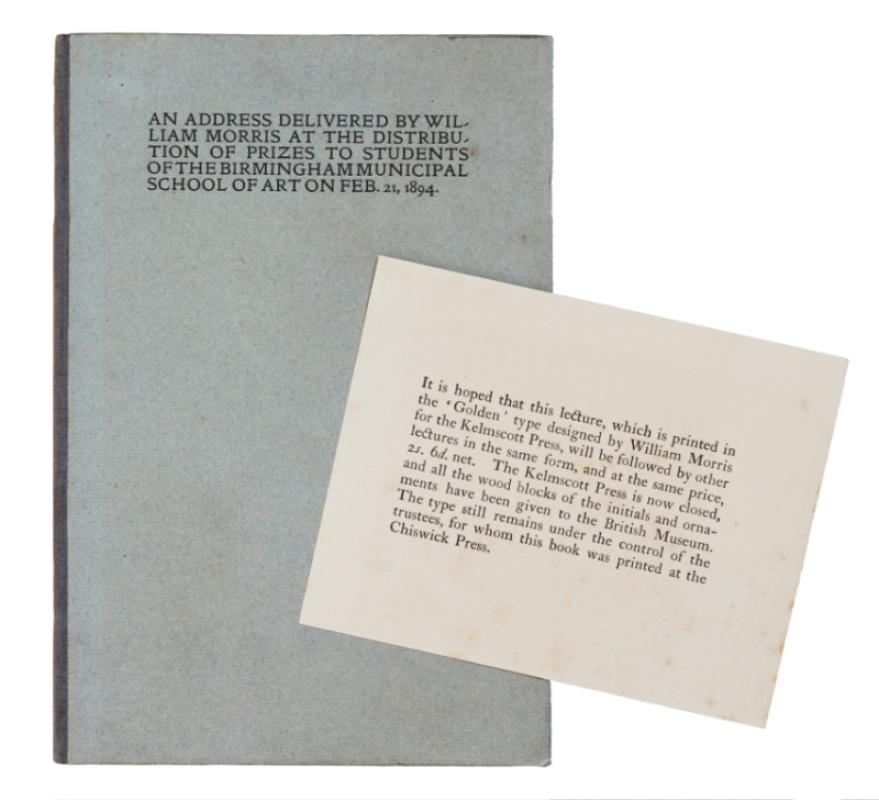
An Address Delivered by William Morris at the Dist...
MORRIS, William
London: The Chiswick Press for Longmans & Co.
£125.00
Offered by Type & Forme
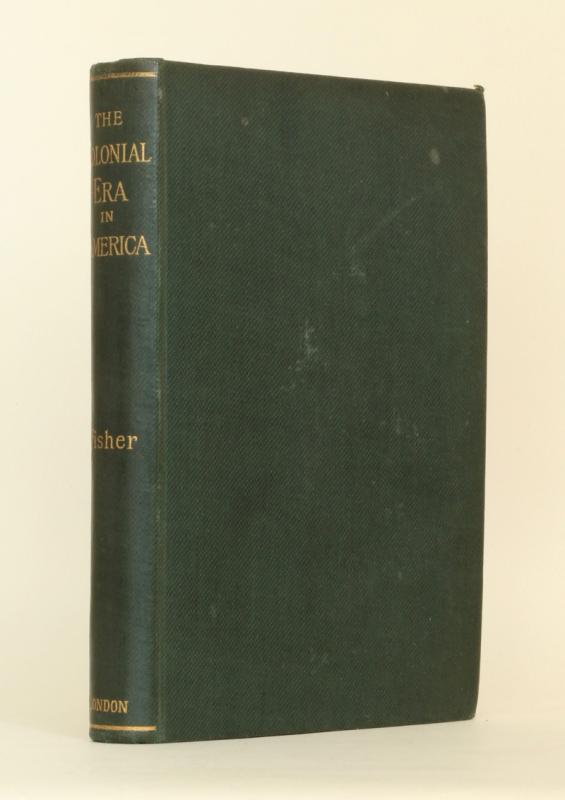
The Colonial Era in America.
FISHER, George Park.
London: William Clowes and Sons. Limited for Sampson, Low, Marston & Company Limited.
£75.00
Offered by Type & Forme
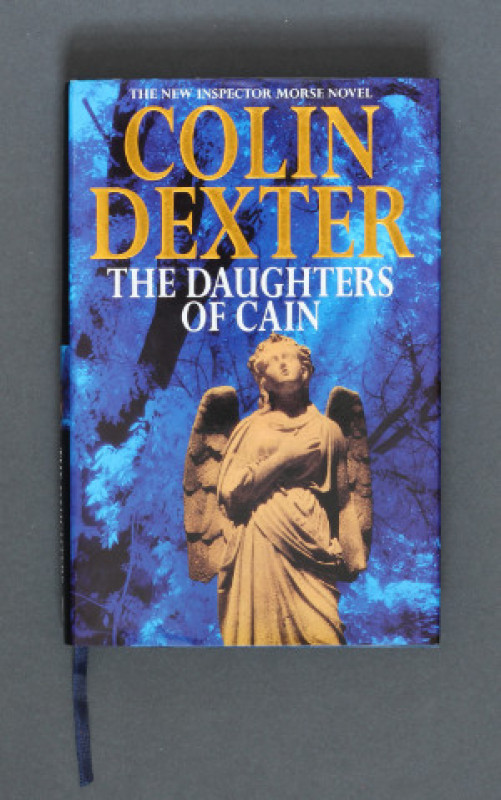
The Daughters of Cain
DEXTER, Norman Colin
London: Mackays of Chatham plc for Macmillan
£14.95
Offered by Type & Forme
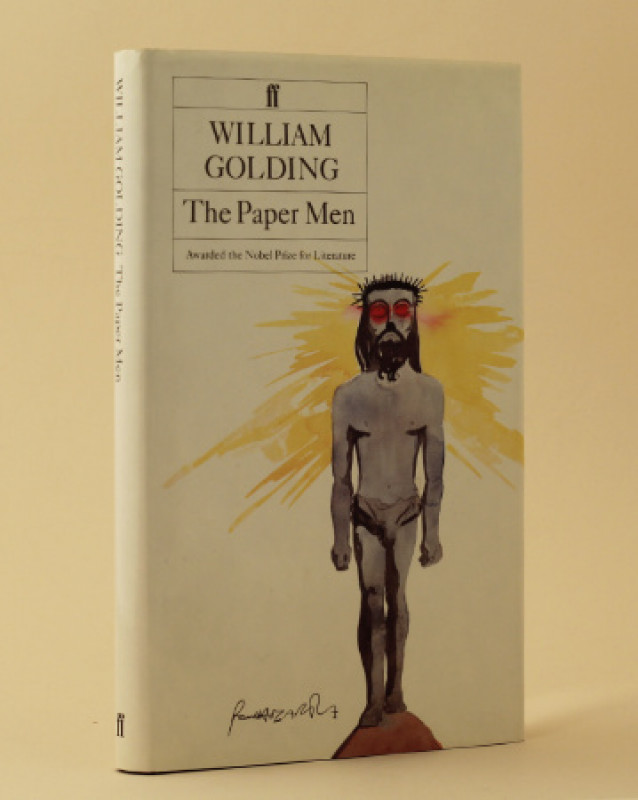
The Paper Men
GOLDING, William Gerald
London: Redwood Burn Limited for Faber and Faber
£17.50
Offered by Type & Forme
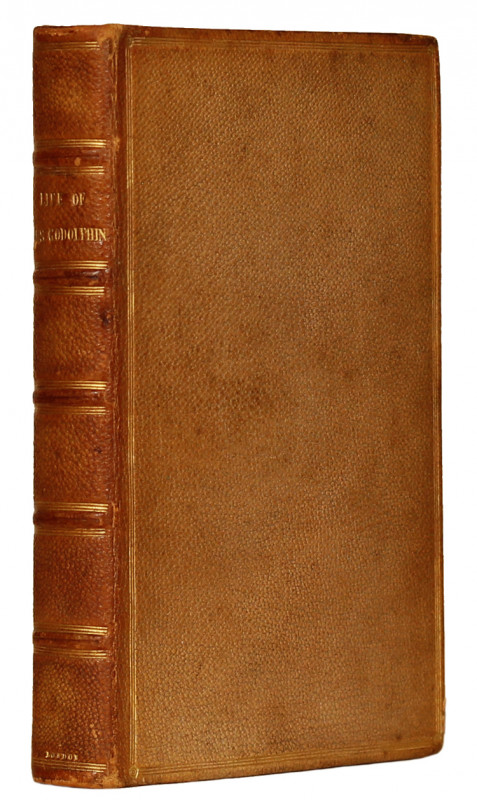
The Life of Mrs. Godolphin ... Now First Published
EVELYN, John and Samuel WILBERFORCE (editor)
London: Charles Whittingham, The Chiswick Press for William Pickering
£95.00
Offered by Type & Forme
Darwin Pedigrees
FREEMAN, Richard Broke
London: Hill & Ainsworth (Printers) Ltd. for the author
£39.50
Offered by Type & Forme
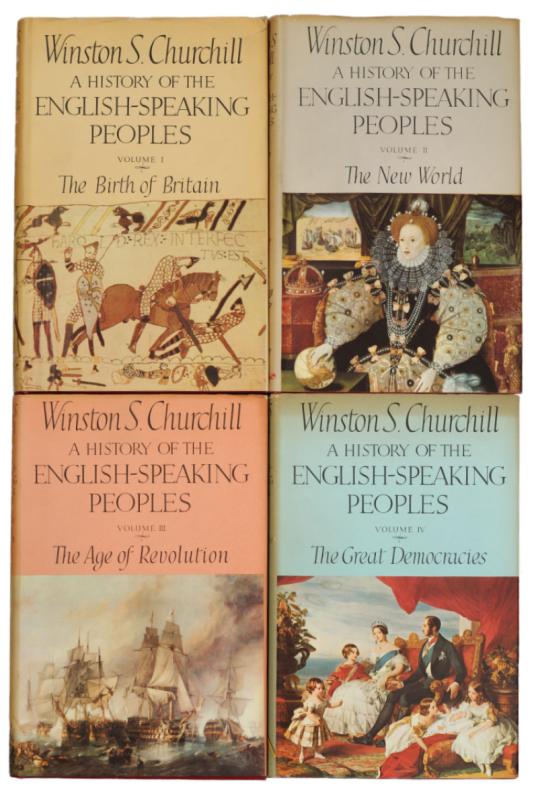
A History of the English-Speaking Peoples
CHURCHILL, Sir Winston Spencer Leonard
London: William Clowes and Sons, Limited for Cassell and Company Ltd
£375.00
Offered by Type & Forme
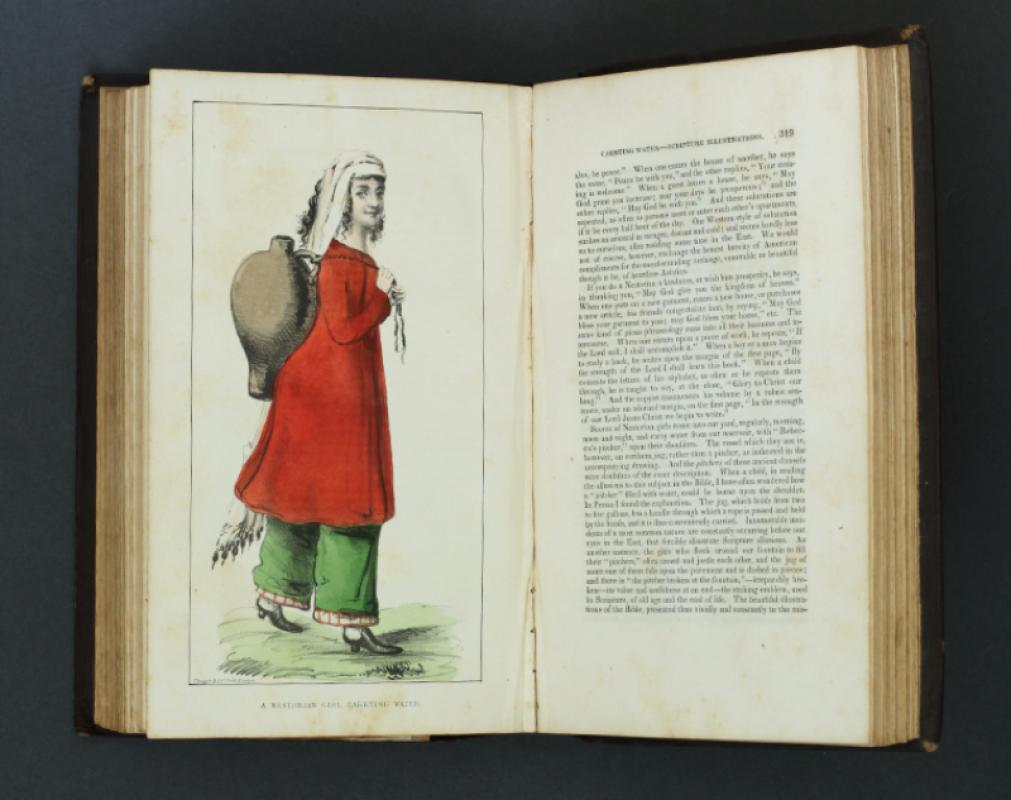
A Residence of Eight Years in Persia, among the Ne...
PERKINS, Justin
Andover, New York, etc.: Allen, Morrill & Wardwell for Allen, Morrill & Wardwell, M.W. Dodd, et al.
£875.00
Offered by Type & Forme
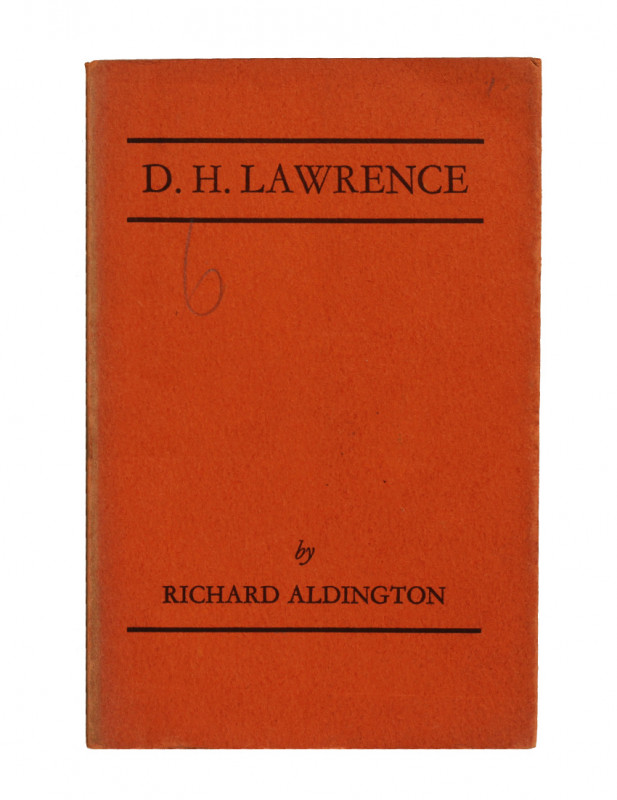
D.H. Lawrence
ALDINGTON, ‘Richard’ [i.e. Edward Godfree]
London: R. & R. Clark, Ltd. for Chatto & Windus
£29.50
Offered by Type & Forme
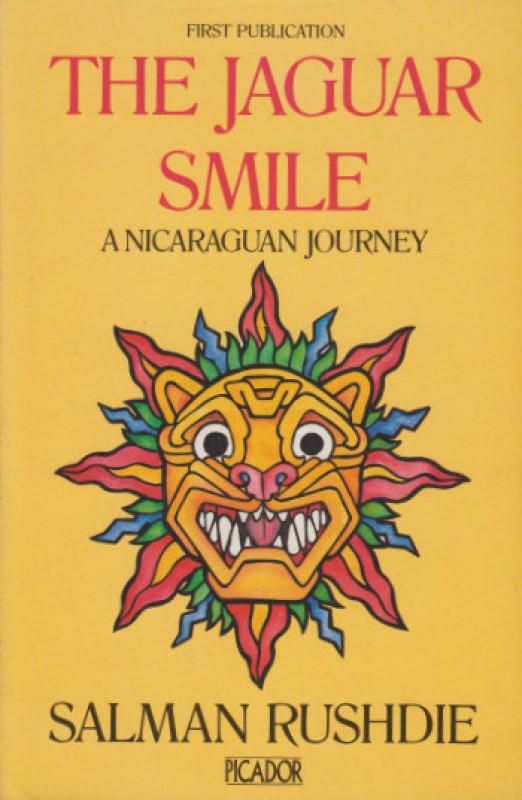
The Jaguar Smile. A Nicaraguan Journey
RUSHDIE, (Ahmed) Salman
London: Richard Clay Ltd for ‘Picador original published by Pan Books in association with Jonathan Cape Ltd’
£29.50
Offered by Type & Forme
Friends of the PBFA
Please email info@pbfa.org for more information