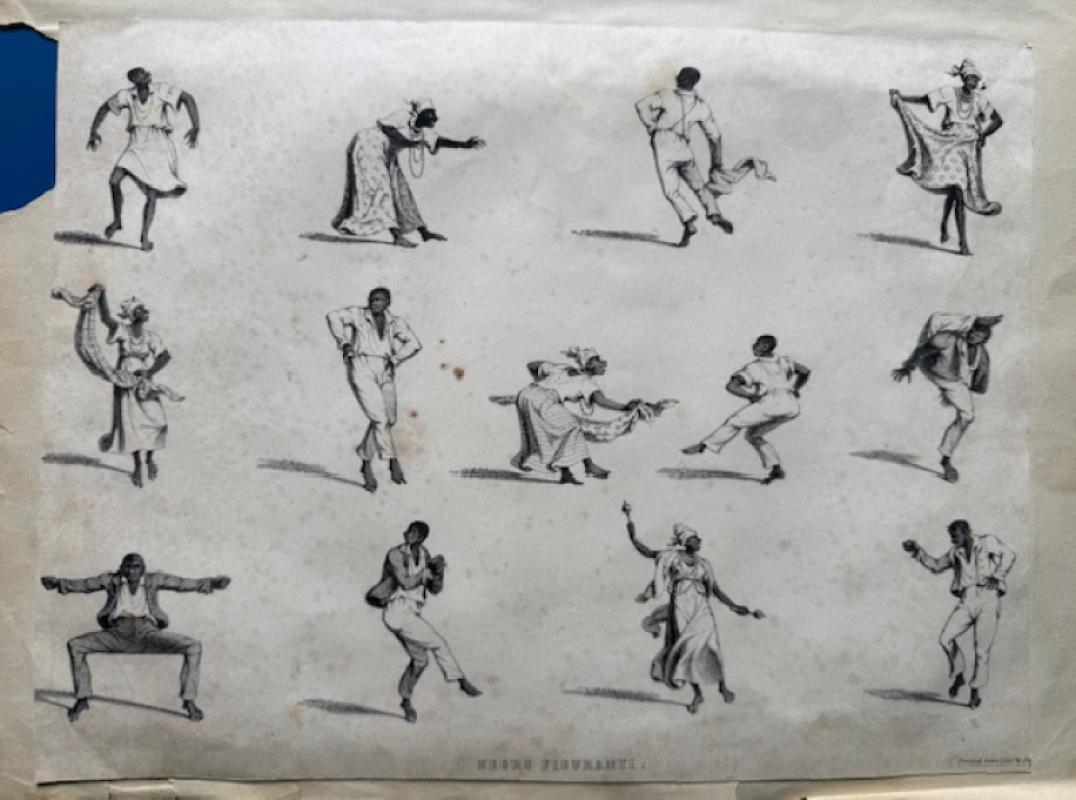
"Negro Figuranti"
Book Description
Dealer Notes
The figures show various types of negro dance in the West-Indian region, taken from Richard Bridgens, "West India Scenery...from sketches taken during a voyage to, and residence of seven years in ... Trinidad" (London, 1836), plate 22. Bridgens described "men and women in various dance positions; all their movements in dancing are marked by great activity (Bridgens). Woman on bottom row (2nd from right), holds a shakshak or rattle." A sculptor, furniture designer and architect, Richard Bridgens was born in England in 1785, but in 1826 he moved to Trinidad where his wife had inherited a sugar plantation, St. Clair. Although he occasionally returned to England, he ultimately lived in Trinidad for seven years and died in Port of Spain in 1846. The plates were based on drawings made from life and were done between 1825, when Bridgens arrived in Trinidad, and 1836, when his book was published. Bridgens' racist perspectives on enslaved Africans and his defense of slavery are discussed and researched in many articles and publications
Price: £325.00
Offered by Fahrenheit 451 Antiquarian Booksellers
Other books
If you liked the book you've just seen, you might be interested in other books from the same dealer below.
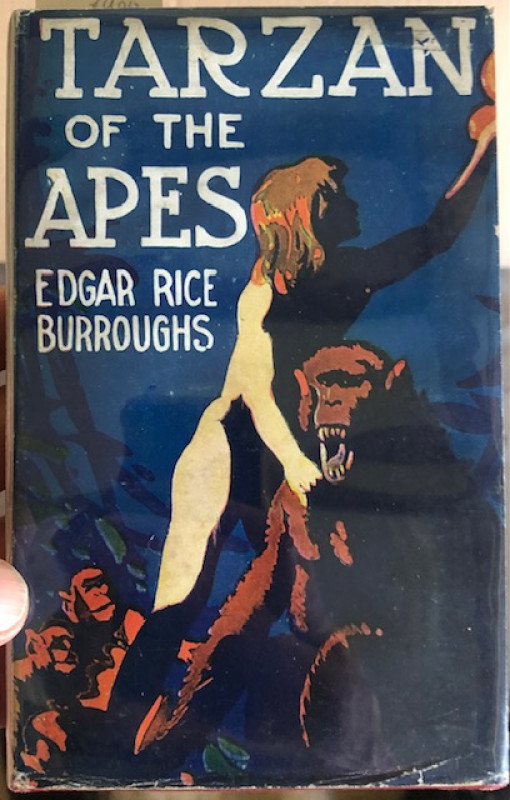
Tarzan of the Apes. [Early edition with dustjacket...
Burroughs, Edgar Rice (1875-1950)
Methuen & Co Ltd.
£360.00
Offered by Fahrenheit 451 Antiquarian Booksellers
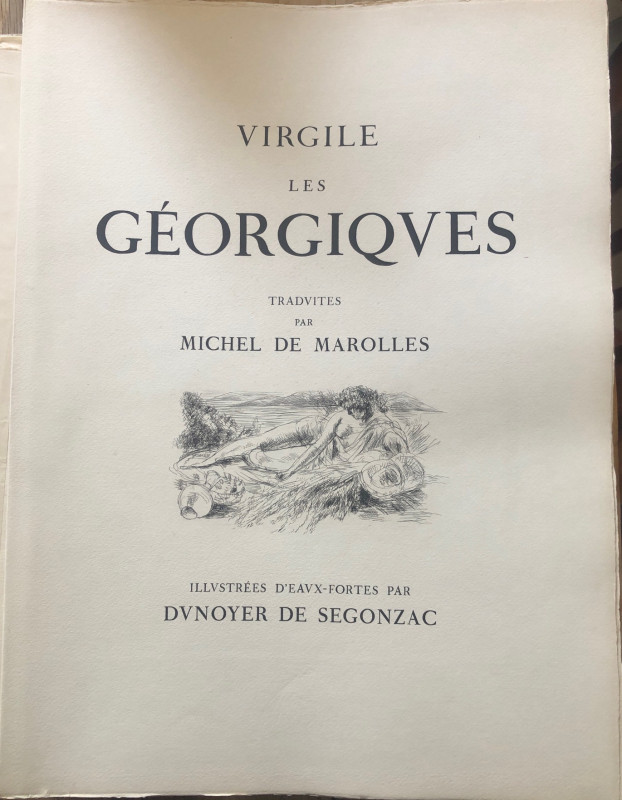
Georgica Les Géorgiques. Illustrées d'eaux-fortes...
Vergilius (Virgil; Virgile), Dunoyer de Segonzac, Andre (1854-1974)
on expense of the artist
£2325.00
Offered by Fahrenheit 451 Antiquarian Booksellers
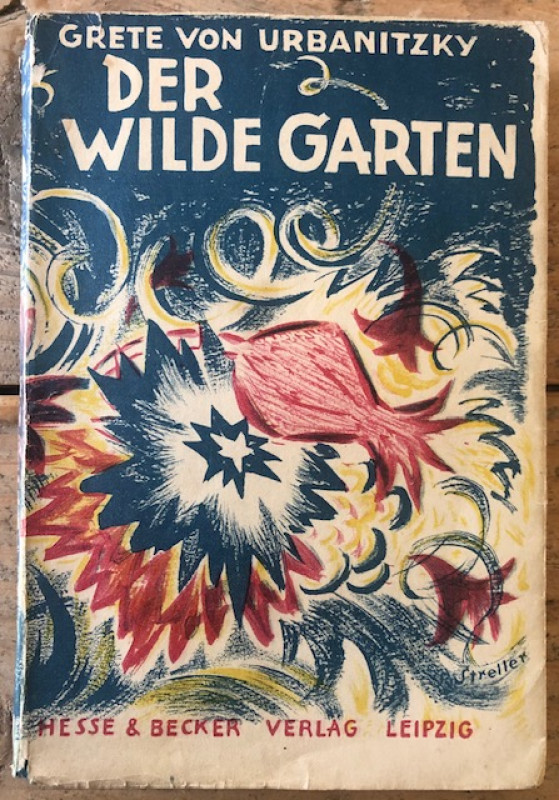
Der wilde Garten. Viertes - Funftes Tausend (1928)...
[Lesbianism]. Urbanitzky, Grete von (1891-1974)
Hesse & Becker
£650.00
Offered by Fahrenheit 451 Antiquarian Booksellers
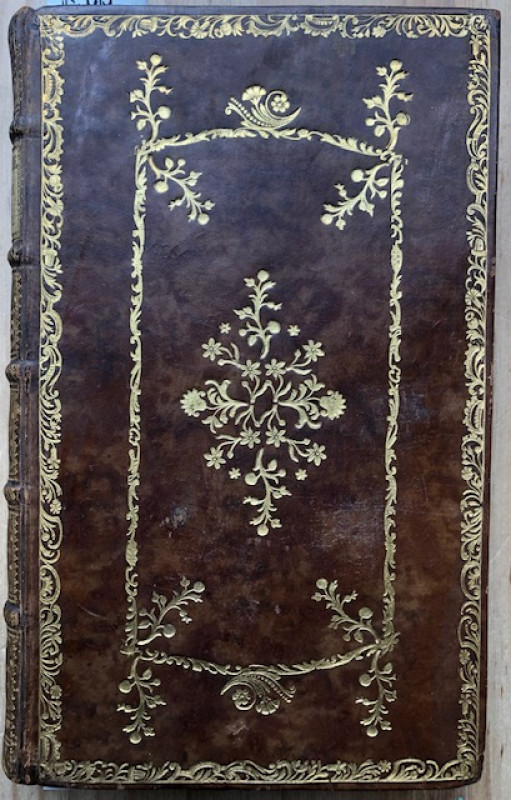
Institutiones logicae, in usum academicum. [Fine r...
[Carnation Bindery of Leyden]. Wynpersse, D. van de.
S. & J. Luchtmans
£625.00
Offered by Fahrenheit 451 Antiquarian Booksellers
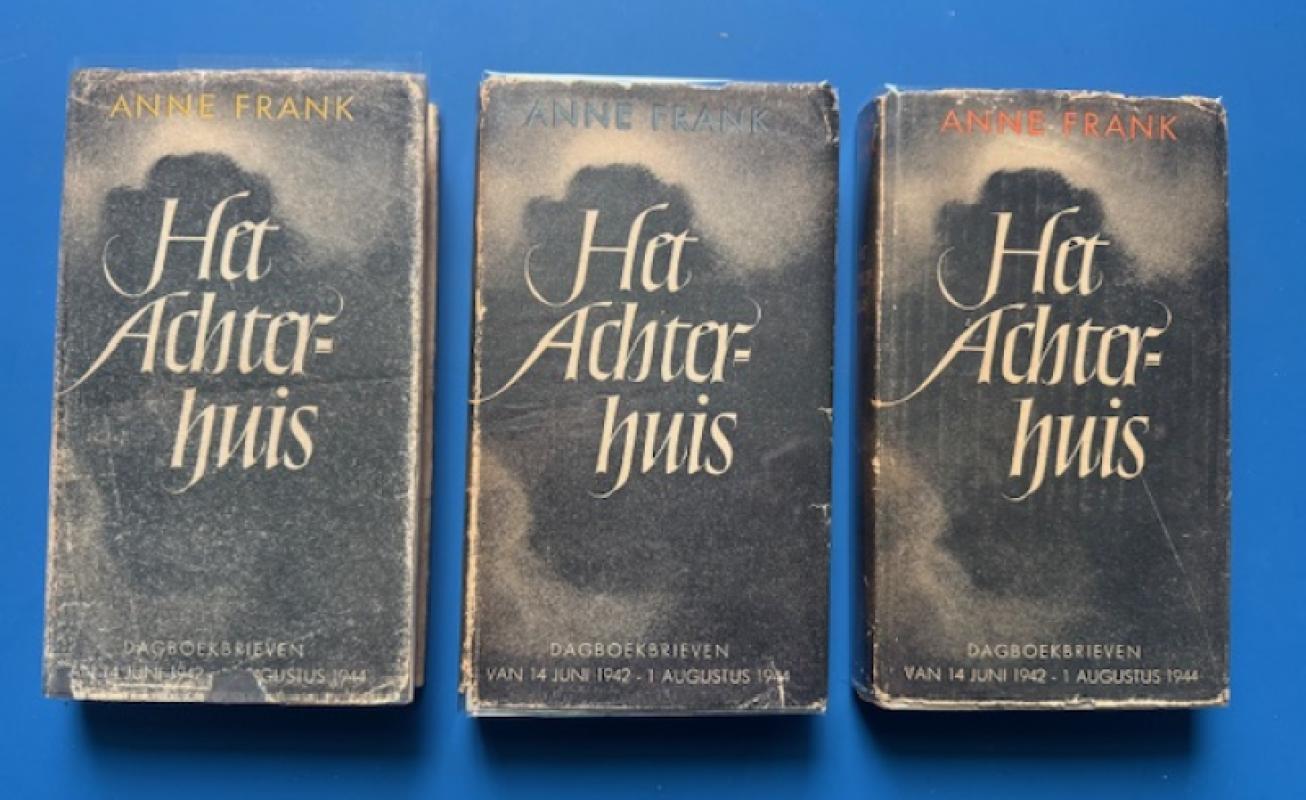
Het achterhuis. Dagboekbrieven 12 Juni 1942 - 1 Au...
Frank, Anne.
Contact
£23500.00
Offered by Fahrenheit 451 Antiquarian Booksellers
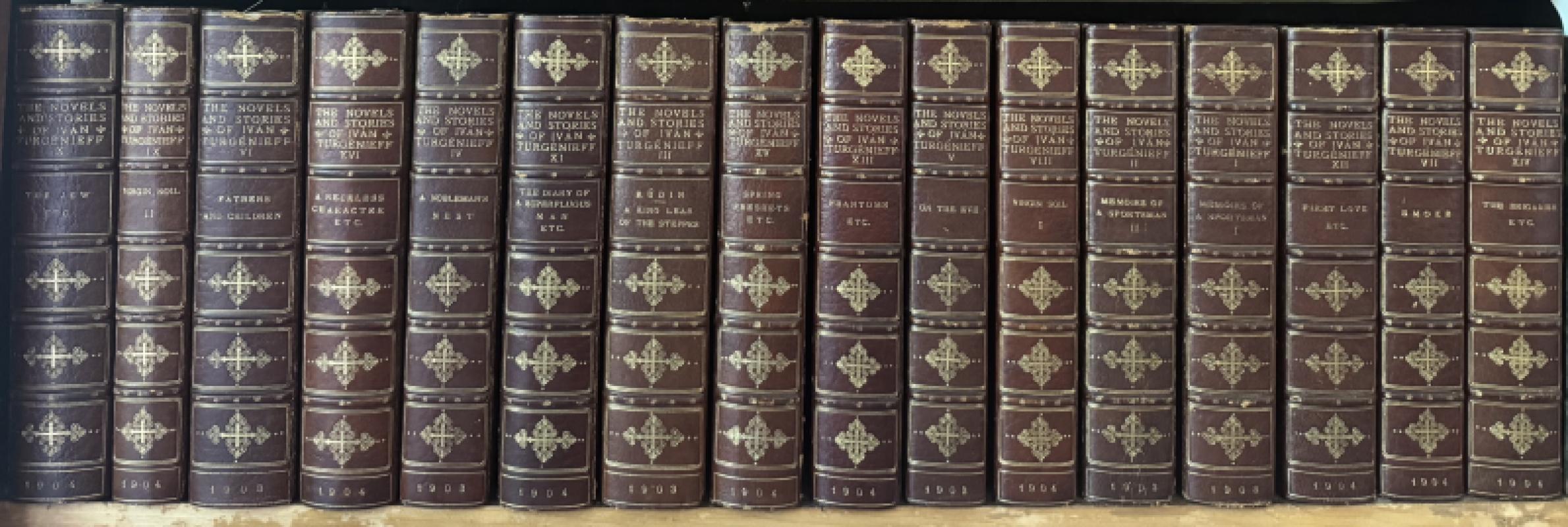
The Novels and Stories of Ivan Turgenieff. Transla...
Turgenieff (Turgenev), Ivan (1818-1883)
Scribner's
£2575.00
Offered by Fahrenheit 451 Antiquarian Booksellers
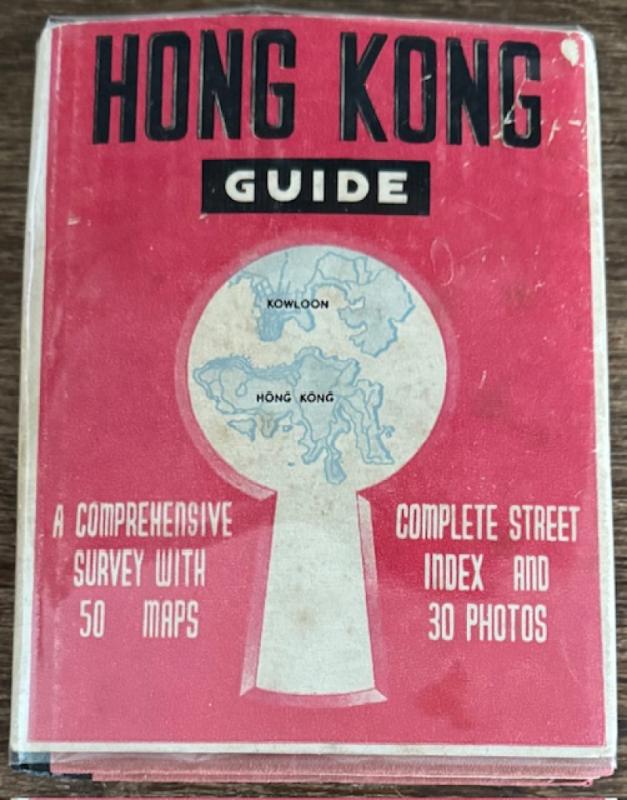
Hong Kong Guide. [Scarce copy of the most expansiv...
[Hong Kong]. Weiss, Karel
Graphic Press
£850.00
Offered by Fahrenheit 451 Antiquarian Booksellers
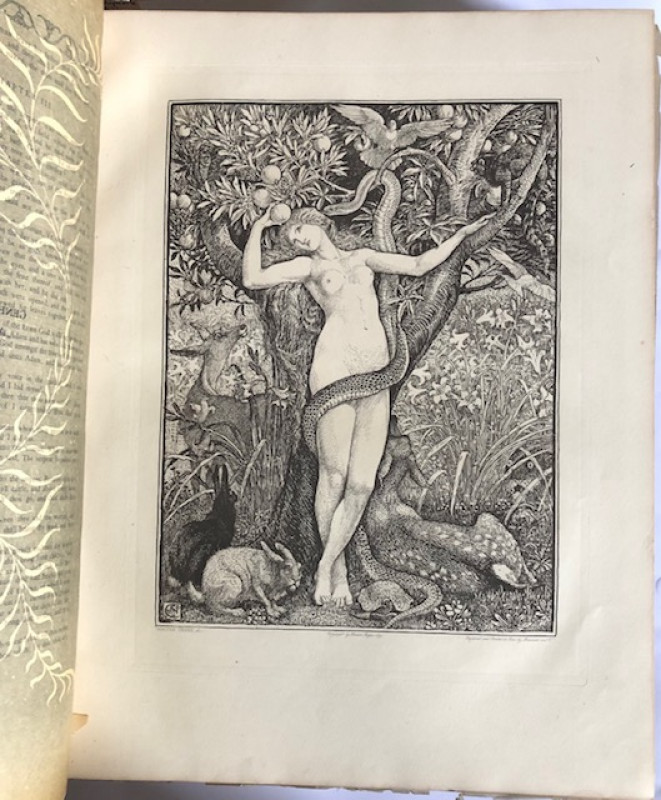
The Holy Bible, containing the Old and New Testame...
n/a
Illustrated Bible Society Limited
£6350.00
Offered by Fahrenheit 451 Antiquarian Booksellers
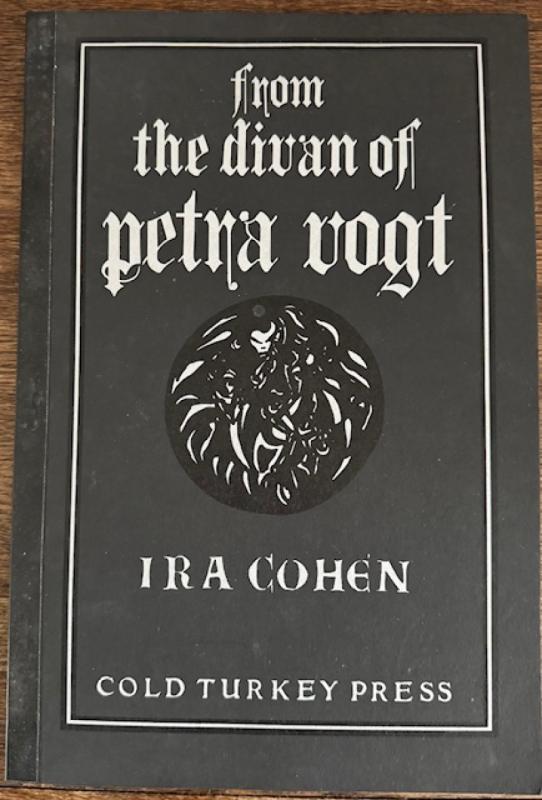
From the Divan of Petra Vogt. Poems and Photograph...
Cohen, Ira
Cold Turkey Press
£275.00
Offered by Fahrenheit 451 Antiquarian Booksellers
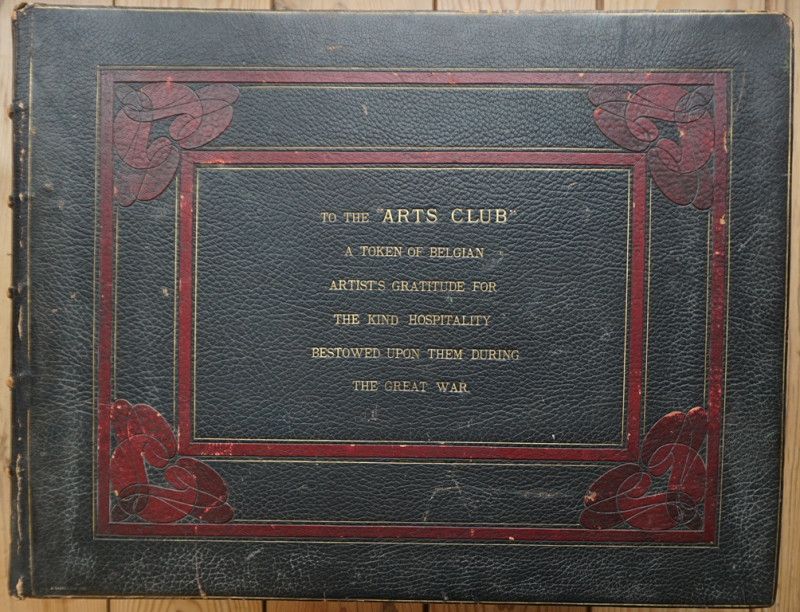
Unique commemorative album to be presented to the...
[World War I].
n/a
£19500.00
Offered by Fahrenheit 451 Antiquarian Booksellers
Friends of the PBFA
Please email info@pbfa.org for more information