Memoirs of Samuel Pepys, Esq. F.R.S. …
Book Description
‘IT GIVES US MORE CLEAR AND UNDISTORTED GLIMPSES INTO THE TRUE ENGLISH LIFE OF THE TIMES [...] THAN ALL THE OTHER MEMORIALS OF THEM PUT TOGETHER’
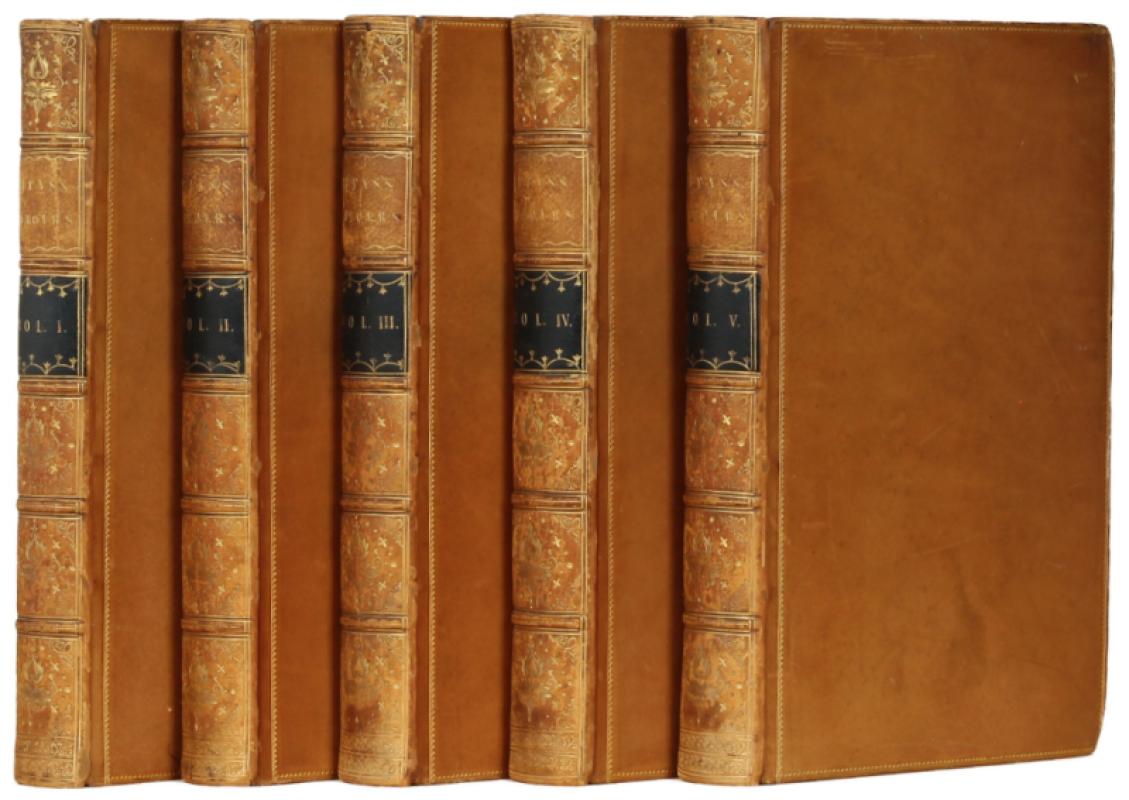
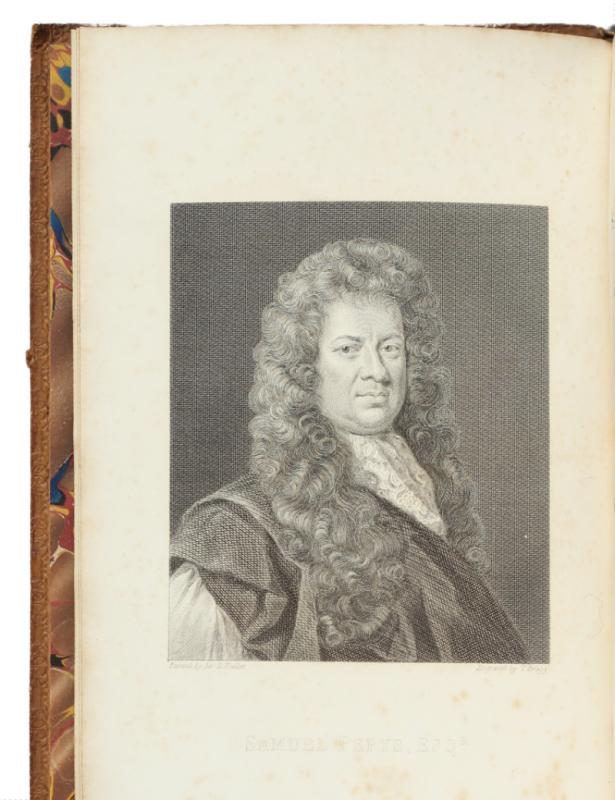
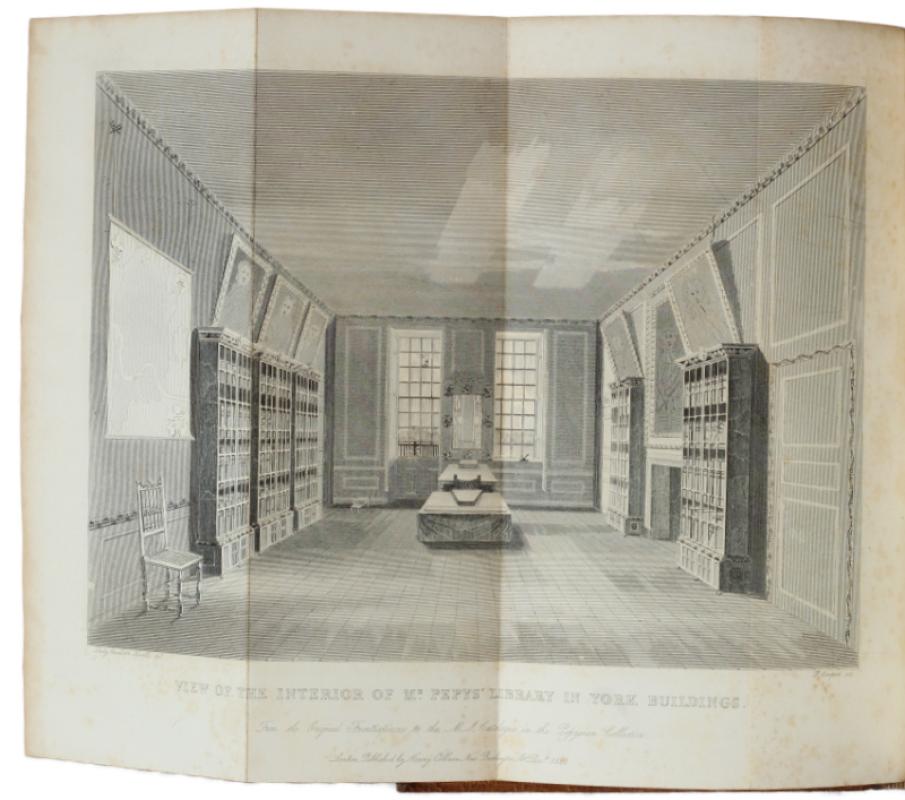
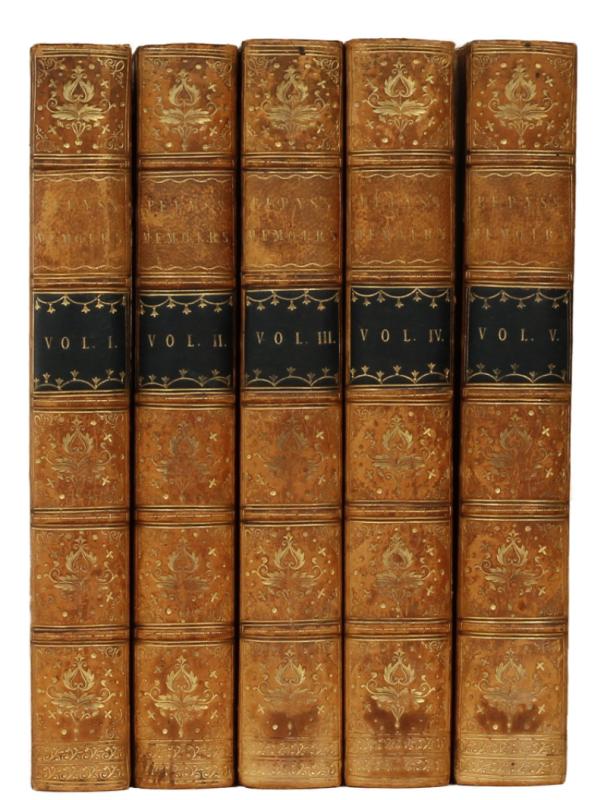
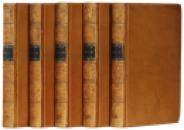
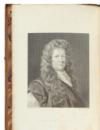
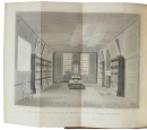
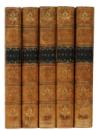
5 volumes, octavo (215 x 136mm), pp. I: lx (title, imprint on verso, plates, verso blank, editor’s preface, fly-title ‘The Life of Samuel Pepys’, verso blank, ‘Life’), 376; II: [4 (half-title, imprint on verso, title, verso blank)], 451, [1 (blank)]; III: [4 (half-title, imprint on verso, title, verso blank)], 446, [2 (publisher’s advertisement)]; IV: [4 (half-title, imprint on verso, title, verso blank)], 461, [1 (imprint)], [2 (publisher’s advertisement)]; V: [4 (half-title, imprint on verso, title, verso blank)], viii (contents), 485, [1 (blank)], [2 (publisher’s advertisement)]. Engraved portrait frontispieces by T. Bragg, T. Thomson, and R. Cooper after Sir Godfrey Kneller, John Hayls, and Derby. One folding engraved facsimile by Sidney Hall, one folding engraved chart by Sidney Hall after John Evelyn, 4 engraved plates by R. Cooper after Sir Peter Lely, Harraden, Lady Charlotte Neville, et al., 2 folding. Wood-engraved tailpiece. (Variable, generally light spotting, light offsetting from engravings, occasional light marking, map with small hole and short tear.) Mid-19th-century British calf gilt, boards with borders of single gilt rule and gilt roll, spines gilt in compartments, gilt morocco lettering-pieces in two, others richly decorated with central gilt flower tool surrounded by various tools, board-edges roll-tooled in gilt, turn-ins roll-tooled in blind, marbled endpapers, all edges speckled red. (A few light marks, slightly rubbed and scuffed, spines faded, corners bumped.) A very good set. Provenance: [?]bookseller’s pencilled note on front flyleaf of vol. I noting original price of the set – Edward Harold Morris, Bryn Myrddin, Carmarthenshire (1850-1929, pencilled ownership inscription ‘Morris. B. Myrddin’ on front flyleaves of all vols) – ‘Valuable. H.V.’ (pencil annotation on front flyleaves of all vols (twice in vol. III) by the Welsh writer, historian, and bibliographer Herbert Millingchamp Vaughan (1870-1948), Morris’s kinsman). ¶¶¶
Dealer Notes
The first edition was well-received by critics, including Francis Jeffrey, Lord Jeffrey, who wrote in his notice for The Edinburgh Review that ‘[t]here is trash enough no doubt in his journal, – trifling facts, and silly observations in abundance. But we can scarcely say that we wish it a page shorter; and are of opinion, that there is very little of it which does not help us to understand the character of his times, and his contemporaries, better than we should ever have done without it; and make us feel more assured that we comprehend the great historical events of the age, and the people who bore a part in them. Independent of instruction altogether too, there is no denying, that it is very entertaining thus to be transported into the very heart of a time so long gone by; and to be admitted into the domestic intimacy, as well as the public councils, of a man of great activity and circulation in the reign of Charles II. Reading this book, in short, seems to us to be quite as good as living with Mr. Samuel Pepys in his proper person, – and though the court scandal may be detailed with more grace and vivacity in the Mémoires de Grammont, we have no doubt that even this part of his multifarious subject is treated with far greater fidelity and fairness in the work before us – while it gives us more clear and undistorted glimpses into the true English life of the times – for the court was substantially foreign – than all the other memorials of them put together, that have come down to our own’ (F. Jeffrey, Contributions to the Edinburgh Review (London, 1846), vol. I, p. 511). ¶¶
Sir Walter Scott was similarly positive in his notice for The Quarterly Review and contrasted Pepys’s correspondence with the journal entries, commenting that ‘[t]he reader may be amused with comparing the style of Pepys and his sentiments as brushed and dressed, and sent out to meet company, with his more genuine and far more natural effusions of a night-gown and slipper description [in the Diary]’ (W. Scott, The Miscellaneous Prose Works ... Vol. XX. Periodical Criticism. Vol. IV. Miscellaneous (Edinburgh and London, 1848), p. 151). Following the first edition of 1825, which was issued in an expensive quarto format, this second edition of 1828 was the first to be published in octavo format and was accordingly priced at £3 10s. The encouraging reception of these first two editions led to further work on the Diary, and Colburn issued significantly enlarged and revised editions in 1848-1849 (third edition) and 1853 (fourth edition), which initiated a series of revisions which continued into the twentieth century and culminated in Latham and Matthews’s definitive edition of 1970-1982. ¶¶
Lowndes p. 1828. ¶¶¶
To see a fully formatted version of this description, please visit our website: www.typeandforme.com, where this set may also be purchased. Please do not hesitate to contact us with any enquiries.
Other books
If you liked the book you've just seen, you might be interested in other books from the same dealer below.
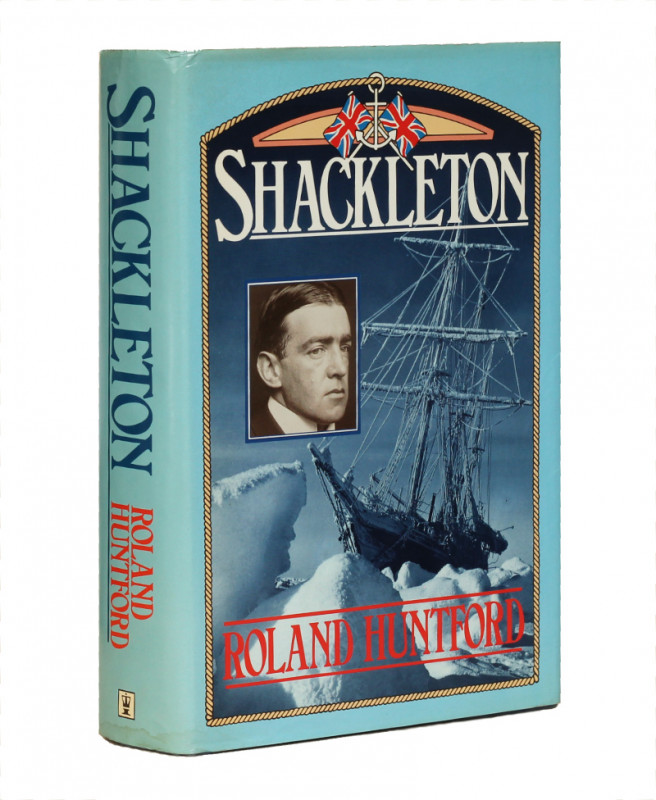
Shackleton
SHACKLETON, Sir Ernest Henry – Roland HUNTFORD
London: St. Edmondsbury Press for Hodder and Stoughton
£39.50
Offered by Type & Forme
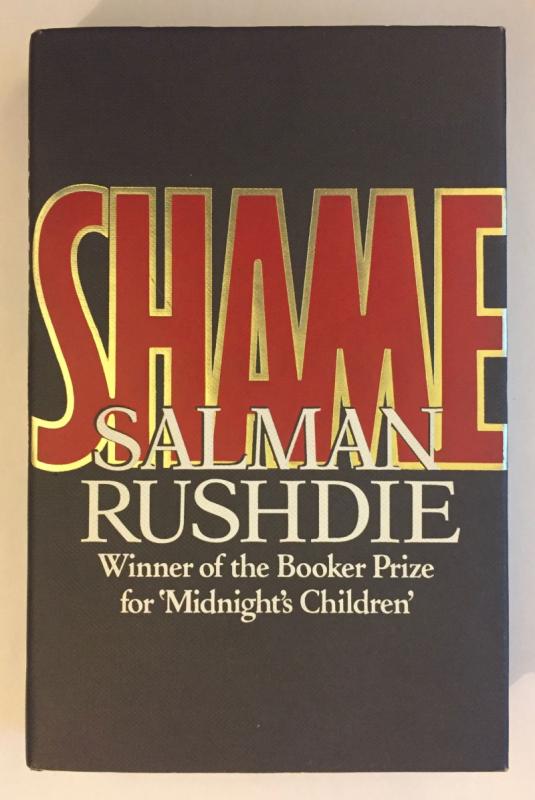
Shame.
RUSHDIE, Salman.
London: Butler & Tanner Ltd for Jonathan Cape.
£37.50
Offered by Type & Forme

East, West [signed copy]
RUSHDIE, (Ahmed) Salman
London: Clays Ltd for Jonathan Cape
£29.50
Offered by Type & Forme
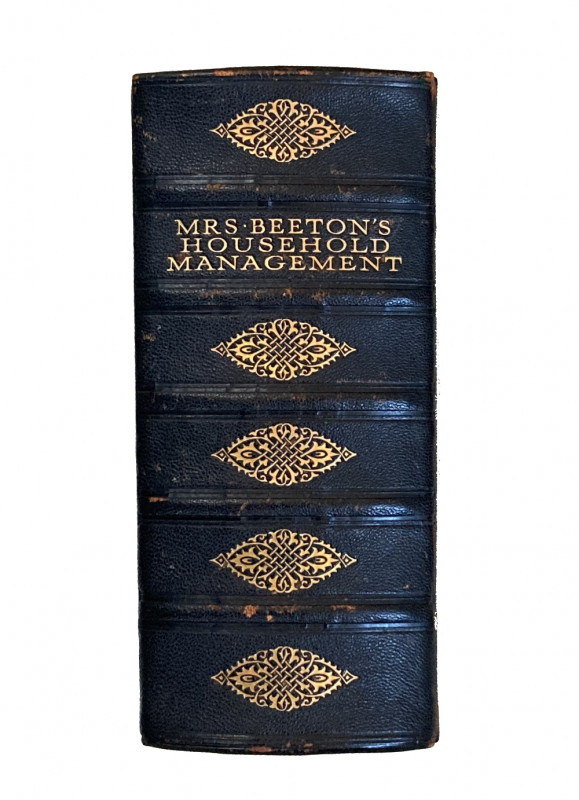
Mrs. Beeton’s Household Management. A Complete Coo...
BEETON, Isabella Mary
London and Melbourne: Butler & Tanner Ltd for Ward, Lock & Co., Limited,
£125.00
Offered by Type & Forme
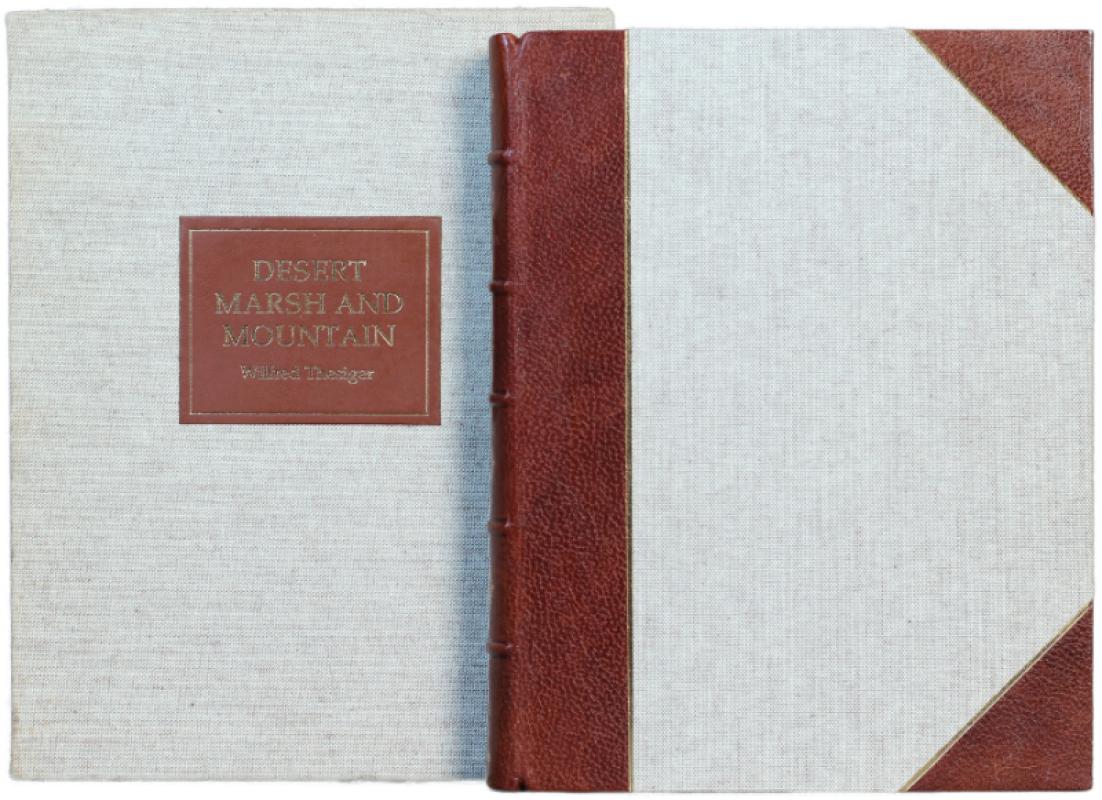
Desert Marsh and Mountain. The World of a Nomad
THESIGER, Sir Wilfred Patrick
London: W. & J. Mackay Limited for William Collins Sons and Co Ltd
£695.00
Offered by Type & Forme
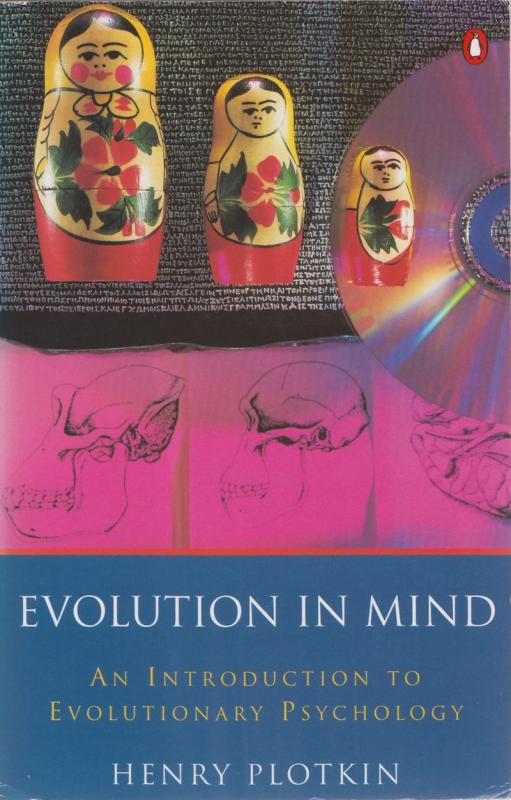
Evolution in Mind. An Introduction to Evolutionary...
PLOTKIN, Henry
London: Clays Ltd, St Ives plc for Penguin Books
£4.95
Offered by Type & Forme
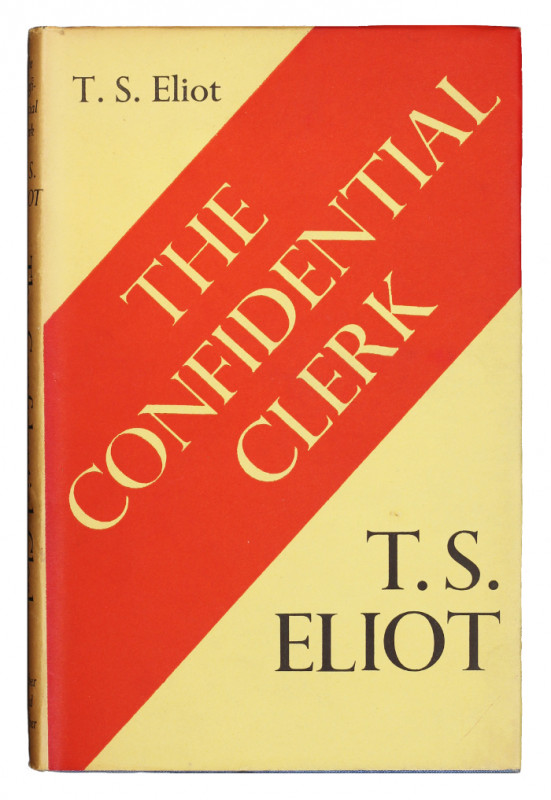
The Confidential Clerk. A Play
ELIOT, Thomas Stearns
London: R. MacLehose and Company Limited, The University Press Glasgow for Faber and Faber
£95.00
Offered by Type & Forme
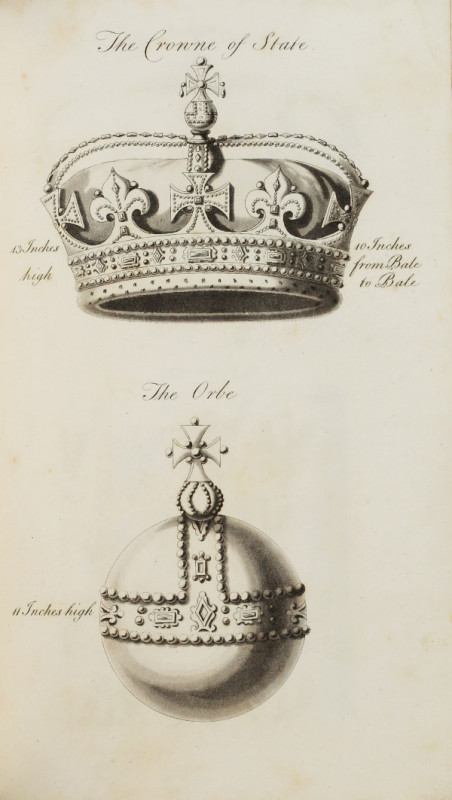
A Circumstantial Account of the Preparations for t...
WALKER, Sir Edward
London: Thomas Davison for T. Baker
£275.00
Offered by Type & Forme
Bromsgrove and the Housmans
HOUSMAN, Alfred Edward – John PUGH
Bromsgrove: H.A. & S. Workman for The Housman Society
£14.95
Offered by Type & Forme
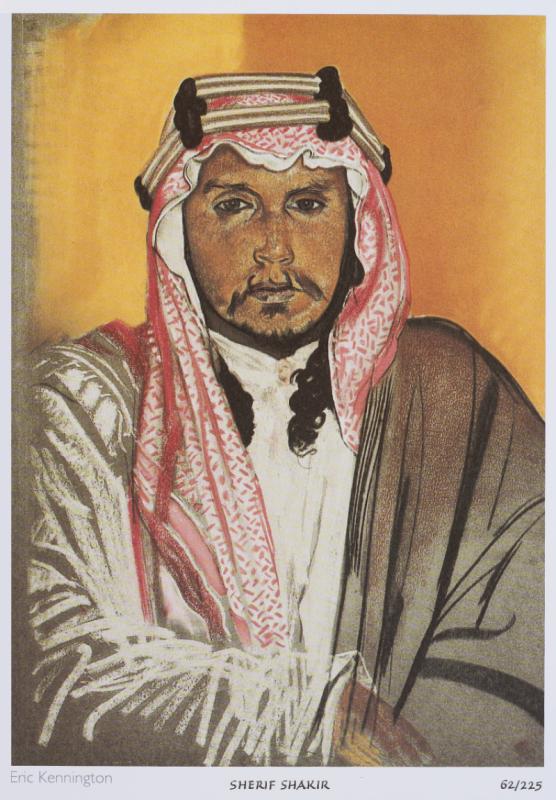
‘Sherif Shakir’ [portrait for Seven Pillars of Wis...
KENNINGTON, Eric Henri
Fordingbridge: Castle Hill Press
£95.00
Offered by Type & Forme
Friends of the PBFA
Please email info@pbfa.org for more information