The History of the Variations of the Protestant Churches


Book Description
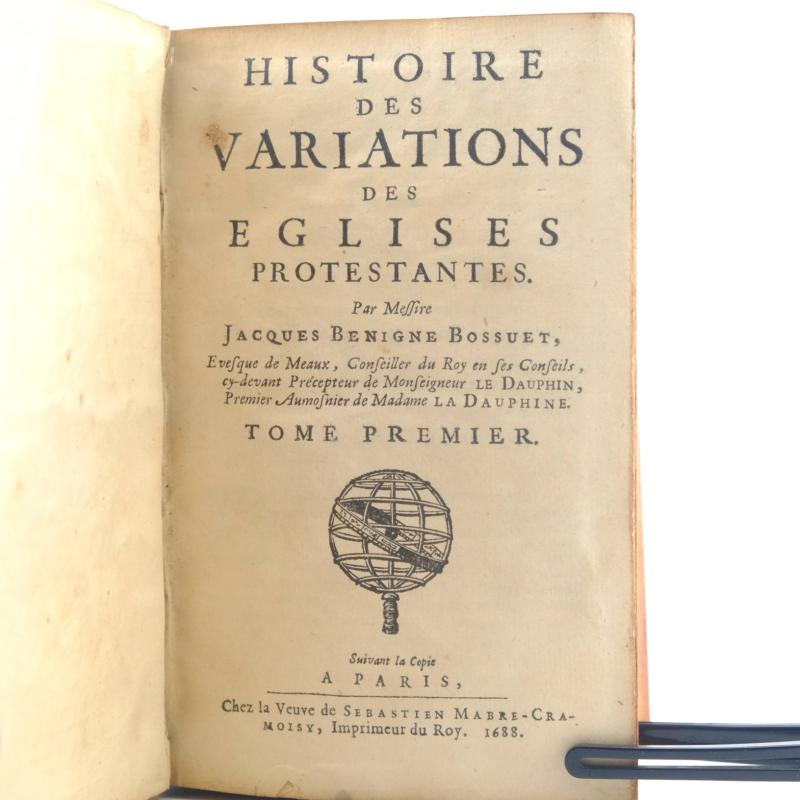
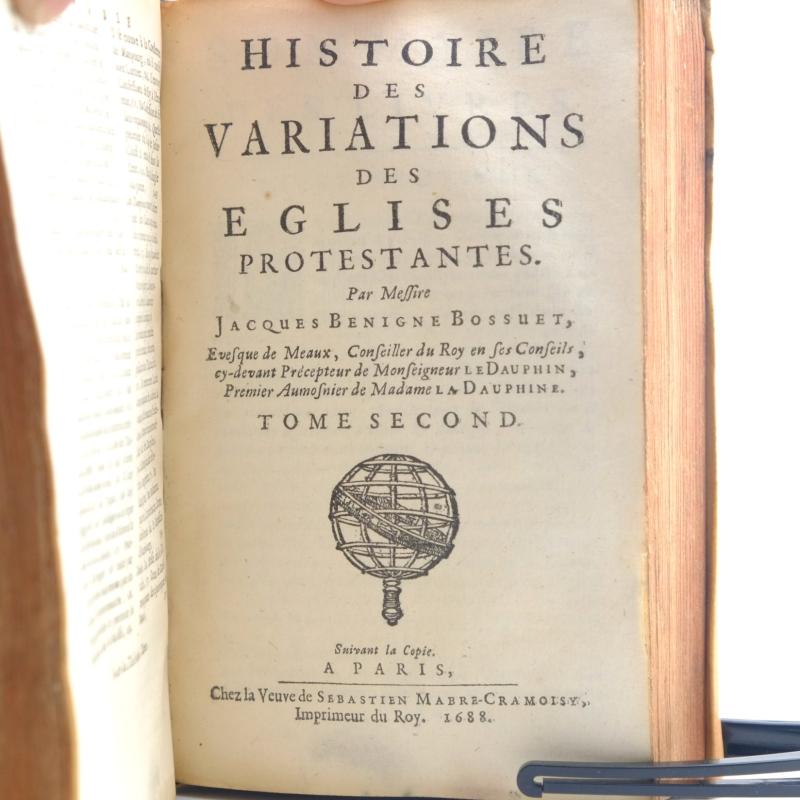
The History of the Variations of the Protestant Churches is a famous work of theology and religious controversy written by Jacques-Bénigne Bossuet (then Bishop of Meaux), published Paris in 1688. Composed of two volumes, this text stands as one of the major theological and literary weapons of the Catholic Church against the Reformation during the 17th century.
Bossuet's thesis rested on a simple principle of the Church Fathers: truth is one and immutable, whereas error constantly changes and divides itself. Bossuet meticulously scrutinizes the history of Protestantism from Martin Luther and John Calvin onward. He heavily documents doctrinal variations, internal theological disputes, and splits into multiple denominations (Lutherans, Calvinists, Anglicans, Anabaptists). To him, these unceasing shifts and disagreements on fundamental dogmas (such as the Last Supper or predestination) prove the absence of the Holy Spirit and the intrinsic error of the Reformation. In contrast, he presents the Roman Catholic Church as the model of truth, characterized by its doctrinal stability, historical continuity, and spiritual unity.
Published just three years after the Revocation of the Edict of Nantes (1685) by Louis XIV, which outlawed Protestant worship in France. Bossuet designed the book as a tool of intellectual persuasion, aiming to convince French Protestants remaining in the kingdom to return to the Catholic faith by exposing the logical flaws of their religion. The book sparked massive debates throughout Christian Europe. Protestant theologians quickly fired back to defend their history, which prompted Bossuet to write a follow-up titled Avertissements aux protestants (Warnings to Protestants, 1689–1691).
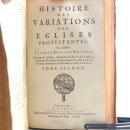
The original classic of 17th-century French literature was published in Paris by the Veuve de Sébastien Mabre-Cramoisy (the widow of Sébastien Mabre-Cramoisy). The Cramoisy family held the highly prestigious title of Imprimeurs du Roi (Printers to the King). This specific copy is a classic and highly collectible printing; also a fascinating historical object. While it bears the correct publisher name and date 1688, it is not the absolute first printing, but rather a highly interesting counterfeit. A globe vignette on a title page from this era typically indicates a print shop trying to replicate the text without using the official family crest.
Bossuet’s Histoire des variations was an instant 1688 bestseller and contemporary printers immediately stole the text, printed it in smaller, cheaper, travel-friendly formats, and placed the famous "Veuve de Sébastien Mabre-Cramoisy" name on the front to trick buyers and bypass local censorship. This counterfeiting was actually a crucial part of how Bossuet's ideas spread. The true Parisian edition was an expensive, heavy, oversized luxury item so these smaller pocket-sized versions were the ones that ordinary citizens, students, and traveling merchants actually bought and read. Furthermore, as it was printed in a Protestant stronghold like the Netherlands, this exact version of the book likely sat directly on the shelves of the very Protestant theologians who were writing the rebuttals against Bossuet.
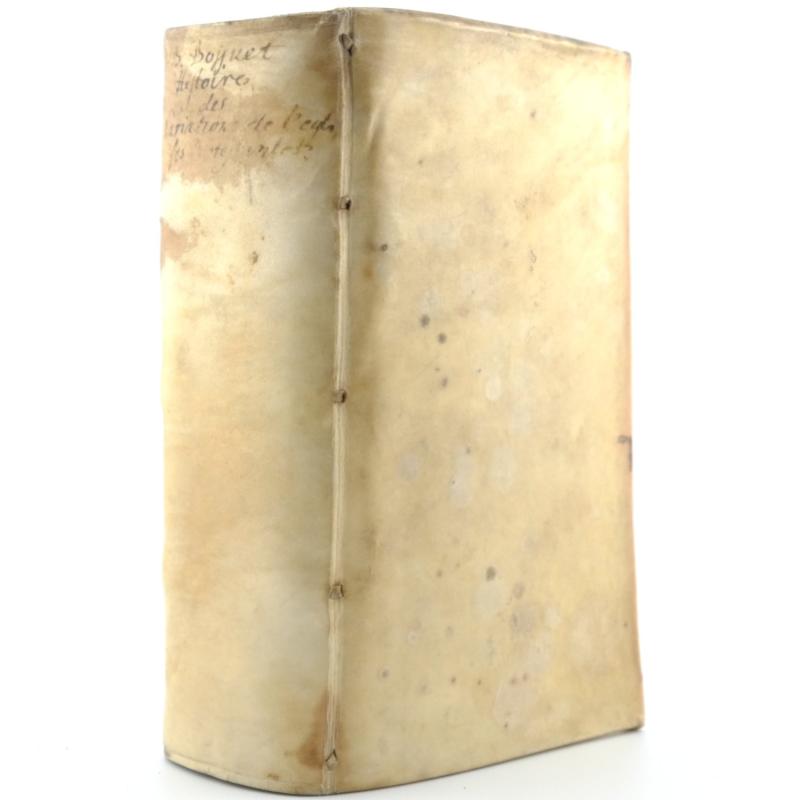
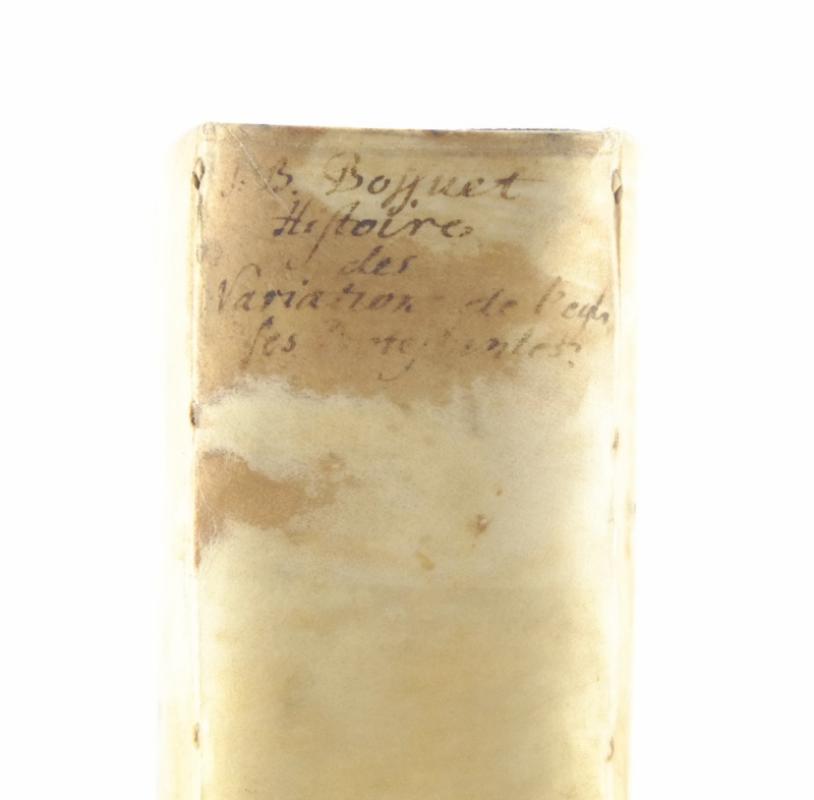
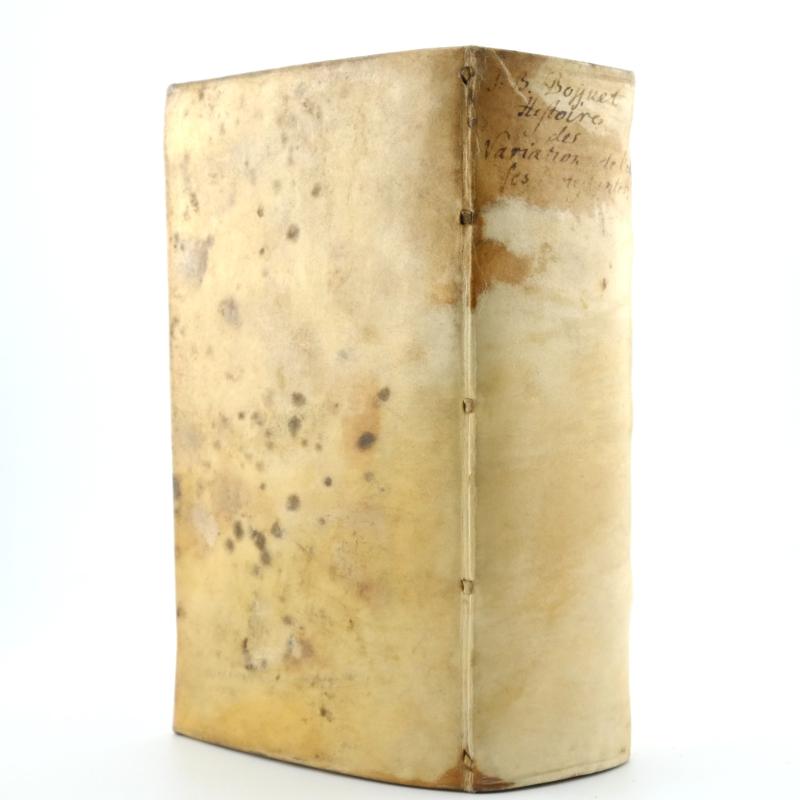
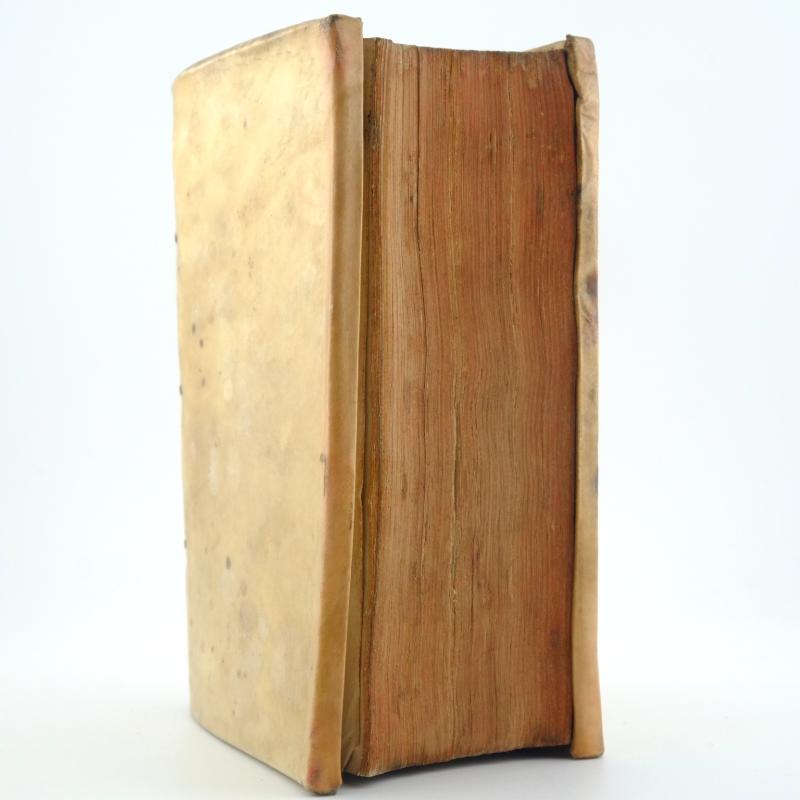
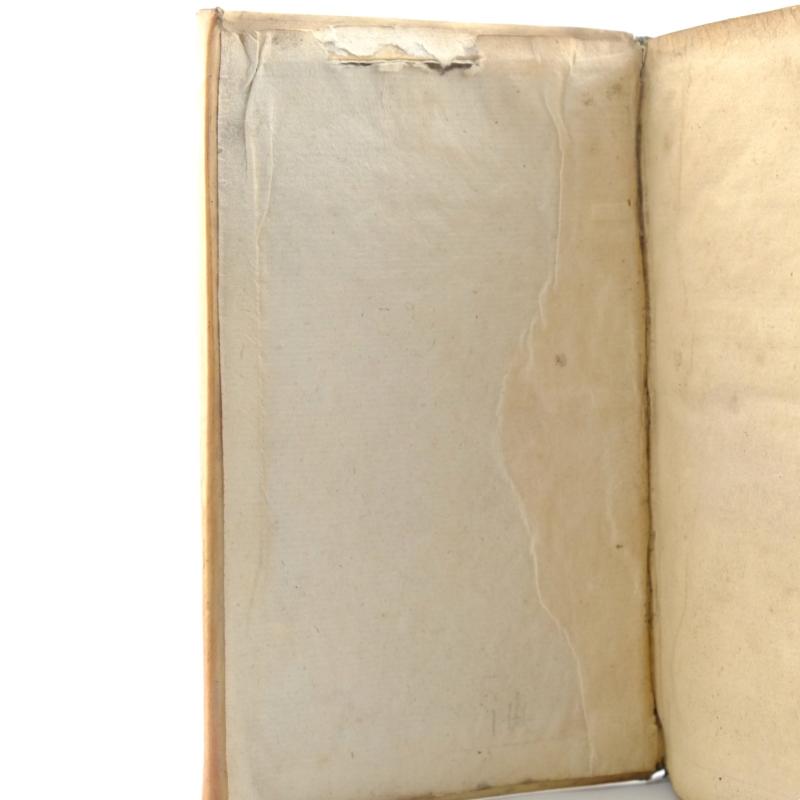
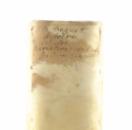
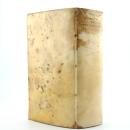
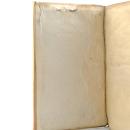
The book is in its original vellum binding which, apart for a few spots, particulary to the rear board, is in very good condition. Internally in very good overall condition. The pagination, Volume one [32] + 406 + [30] pp. Volume two [8] + 524 + [38] pp; single blank leaf at front and rear of text, all page edges stained red Bound in 17th century full vellum, titled to spine with ink; dimensions: 15.7 x 10 x 5.6 cm (duodecimo), matches the earliest pocket-sized pirate editions printed in the Netherlands (likely Amsterdam) simultaneously with the official 1688 Paris release.
Author
Jacques-Bénigne Bossuet
Date
1688
Binding
Hardback
Publisher
Veuve de Sébastien Mabre-Cramoisy
Condition
Very Good
Other books
If you liked the book you've just seen, you might be interested in other books from the same dealer below.
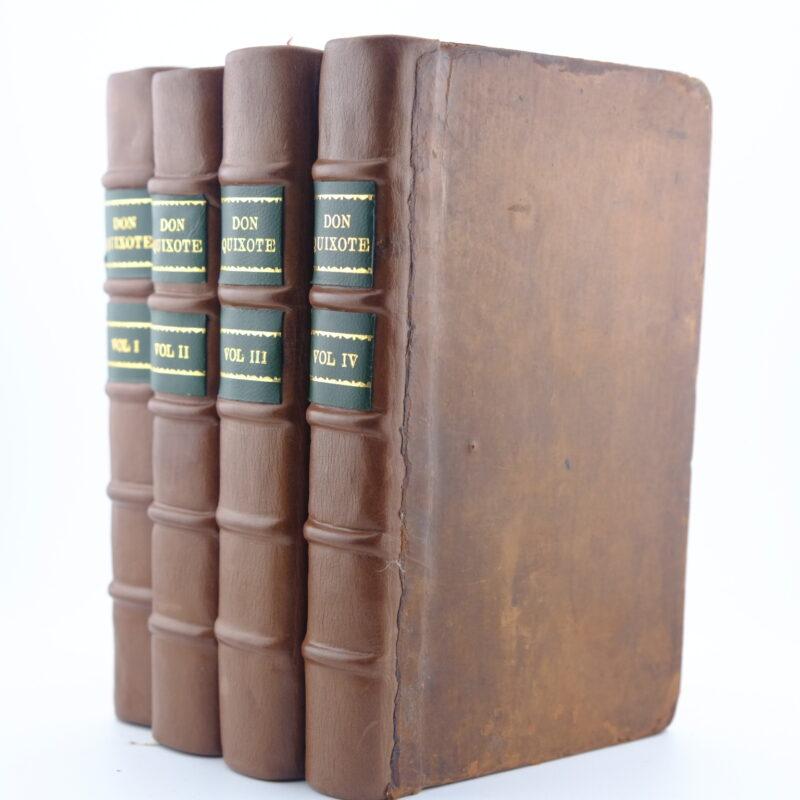
The History and Adventures of Don Quixote
Miguel Cervantes
W. Strahan. J. and F. Rivington
£500.00
Offered by Rare and Antique Books

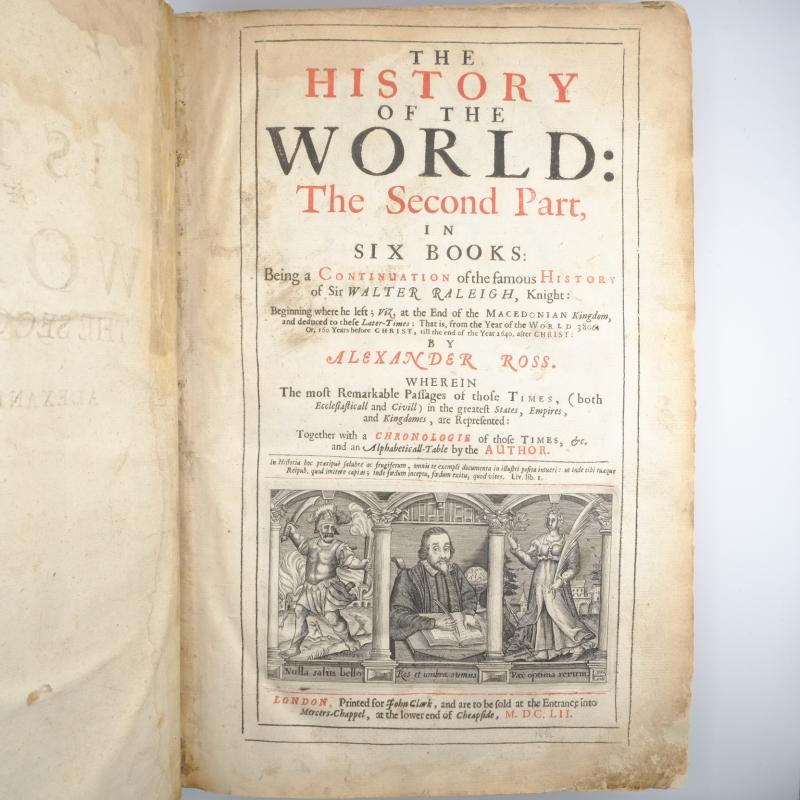
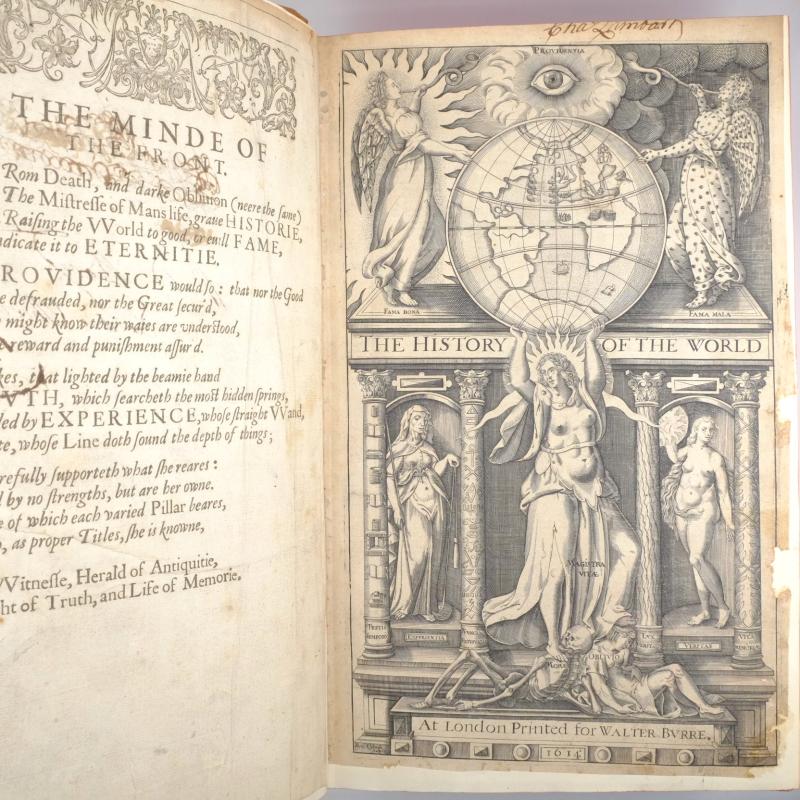
The History of the World
Sir Walter Raleigh
William Stansby
£5000.00
Offered by Rare and Antique Books


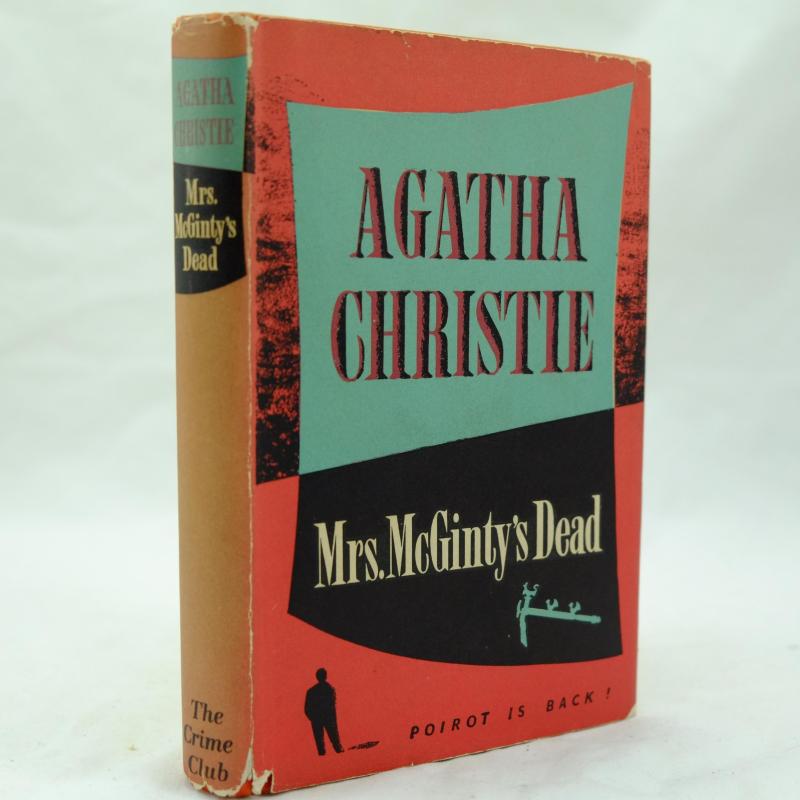
Mrs McGinty's Dead
Agatha Christie
The Crime Club by Collins,
£395.00
Offered by Rare and Antique Books
Friends of the PBFA
For £10 get free entry to our fairs, updates from the PBFA and more.
Please email info@pbfa.org for more information