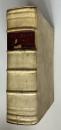
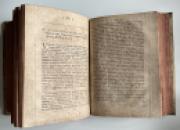
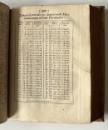
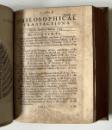
1705 ~ THE TRUE FIRST APPEARANCE OF HALLEY's COMET!
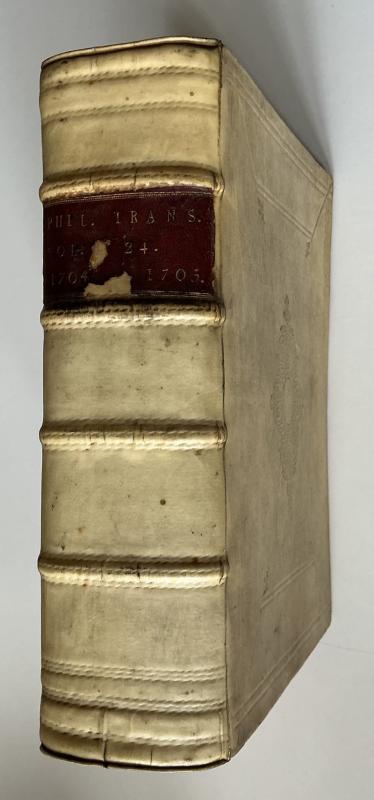
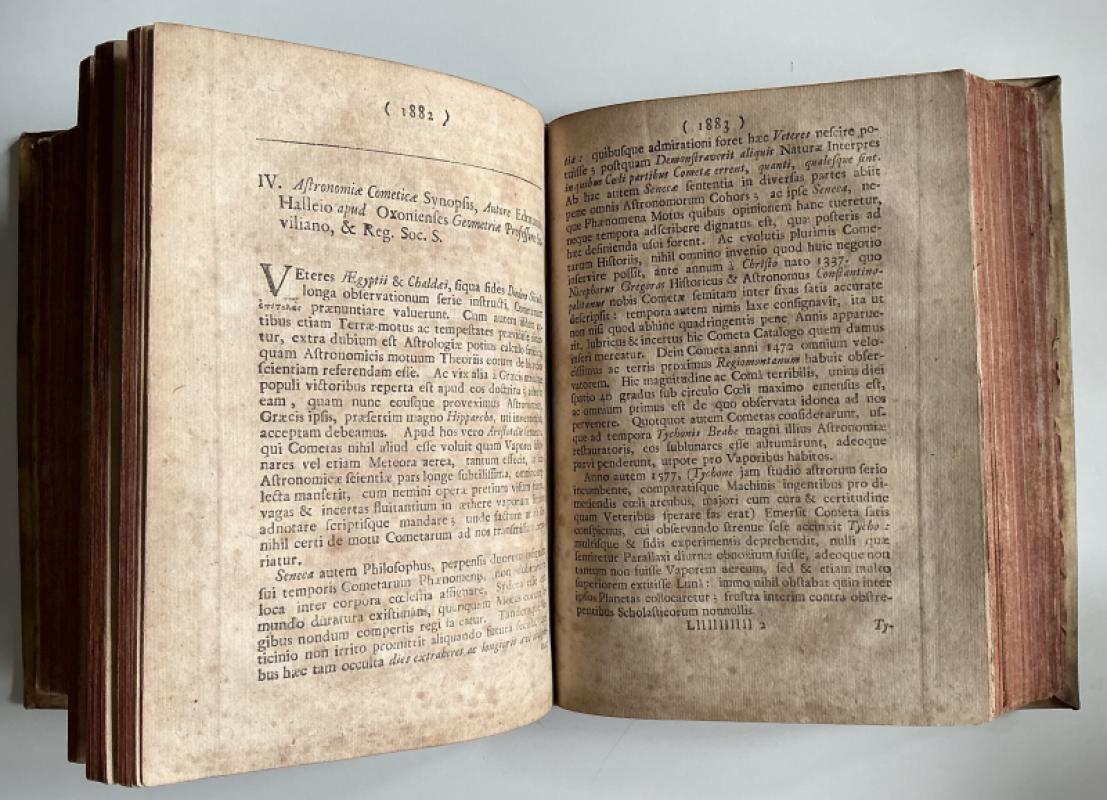
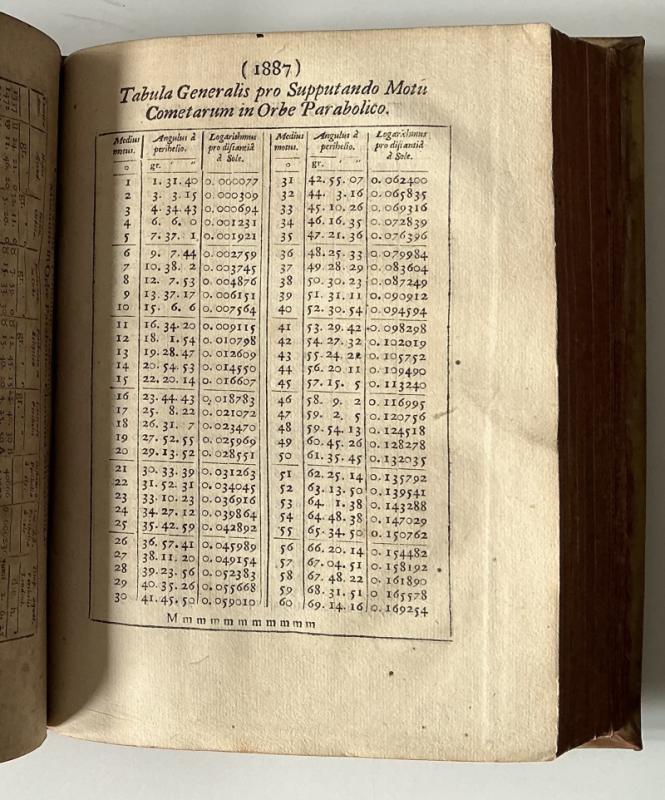
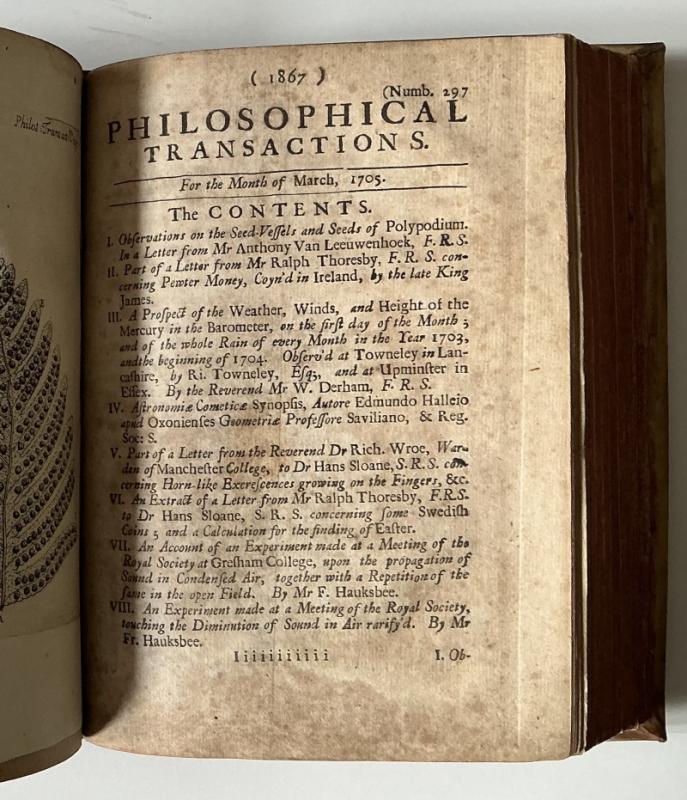
Book Description
Dealer Notes
Other books
If you liked the book you've just seen, you might be interested in other books from the same dealer below.

The Exhibition of the Royal Academy. 1843-1857
N/A
Printed by W.Clowes and Sons, 14, Charing Cross, Printers to the Royal Academy
£150.00
Offered by Celsus Books
[This treatyse concernynge the fruytful saynges of...
FISHER, John
[London]: Printed in the year, 1714.
£245.00
Offered by Celsus Books
The Poetry of Architecture or The Architecture of...
John Ruskin
George Allen
£125.00
Offered by Celsus Books
A method of devotion: or, Rules for holy and devou...
BURNET, Elizabeth, 1661-1709.
London: printed and sold by M. Downing, in Bartholomew Close near West-Smithfield, M.DCC.XXXVIII.
£150.00
Offered by Celsus Books
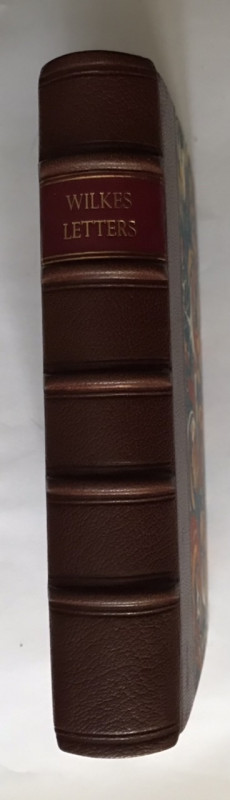
~ 1769 ~ RARE ~ 1st ed. of Wilkes Letters with Gra...
[Wilkes, J. ed.] Grafton, Augustus Henry Fitzroy, Duke of.
np
£320.00
Offered by Celsus Books
Letters from Italy to a younger sister, by
Catherine Taylor
John Murray
£150.00
Offered by Celsus Books
American Notes for General Circulation by Charles...
DICKENS, Charles.
London: Chapman and Hall, 1843
£245.00
Offered by Celsus Books
Le Hollandois Raisonnable ou sort digne d envie pa...
Monsr. de Saint-Quenain.
Amsterdam: chez le veuve P. de Coup, et G. Kuyper, 1741.
£345.00
Offered by Celsus Books
Military memoirs and maxims of Marshal Turenne. In...
TURENNE, Henri de La Tour d Auvergne, vicomte de.
London: printed for J. and P. Knapton.
£245.00
Offered by Celsus Books
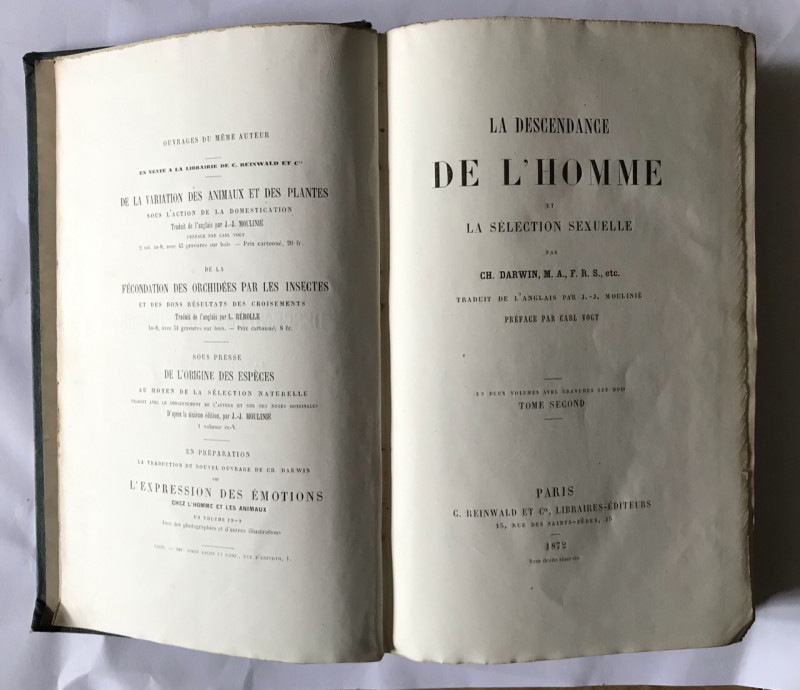
1st edition in French ~ La Descendance de l’homme...
DARWIN Charles
Paris, C. Reinwald et Cie, 1872
£425.00
Offered by Celsus Books
Friends of the PBFA
Please email info@pbfa.org for more information