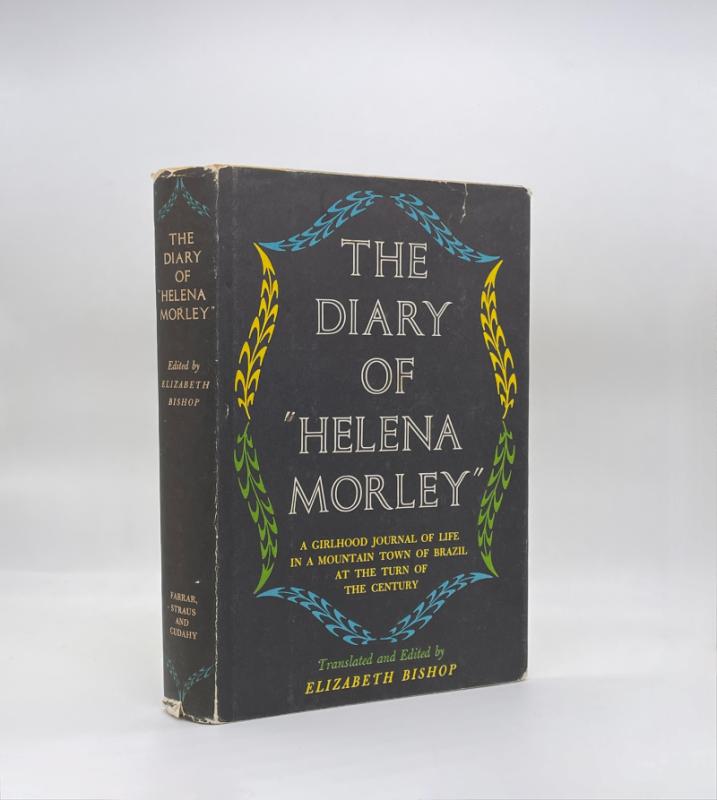
The Diary of “Helena Morley”: [From Dust Jacket:] A childhood journal of life in a mountain town of Brazil at the turn of the century. Translated from the Portuguese by Elizabeth Bishop.
Book Description
Dealer Notes
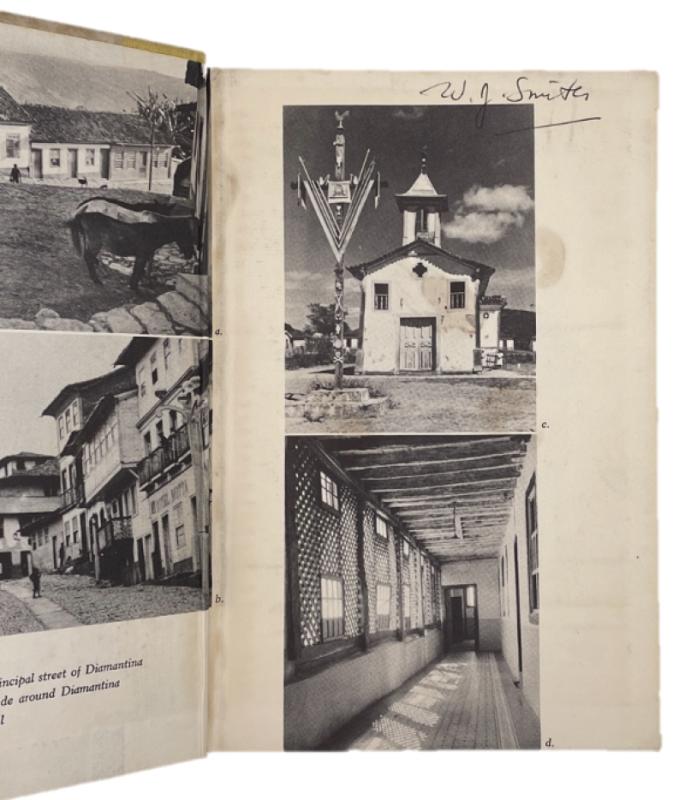
A near contemporary and a fellow prize-winning American poet, William Jay Smith (1918–2015) followed Bishop in being appointed Consultant in Poetry to the Library of Congress, 1968-1970 (the nineteenth appointee; Bishop was eighth, serving 1949-50). He later described her as a “tutelary spirit,” alongside Edwin Arlington Robinson, Marianne Moore, Theodore Roethke and Louise Bogan; Smith had first come across Bishop’s poetry as a freshman in 1935, and, like Bishop (and Moore), he “adore[d] particulars and exact observation” and “emphasize[d] wit and the skilful use of traditional forms” (Frank, 1998). He was not, however, a fan of her prose, observing much later in a CPR interview: “Elizabeth Bishop wrote a few essays but they were much inferior stylistically to her poems. It was clear that she had devoted less time and attention to them than she had to her poems”; no
notes or marginalia feature here to hint at his thoughts on her work as a translator. We do, however, have Bishop’s thoughts on Smith’s translation of Jules Laforgue (and the impossibility of translating poetry); her mostly favourable review, ‘The Manipulation of Mirrors,’ had been published the year before in New Republic.
A Brazilian literary favourite, which had been repeatedly recommended to Bishop, in her introduction the poet likens sections to Chaucer and “Wordsworth’s poetical children and country people, or Dorothy Wordsworth’s wandering beggars,” whilst “occasionally entries referring to slavery seemed like notes for an unwritten, Brazilian, feminine version of Tom Sawyer”. It did not sell well, nor bring in the income Bishop had hoped.
Other books
If you liked the book you've just seen, you might be interested in other books from the same dealer below.
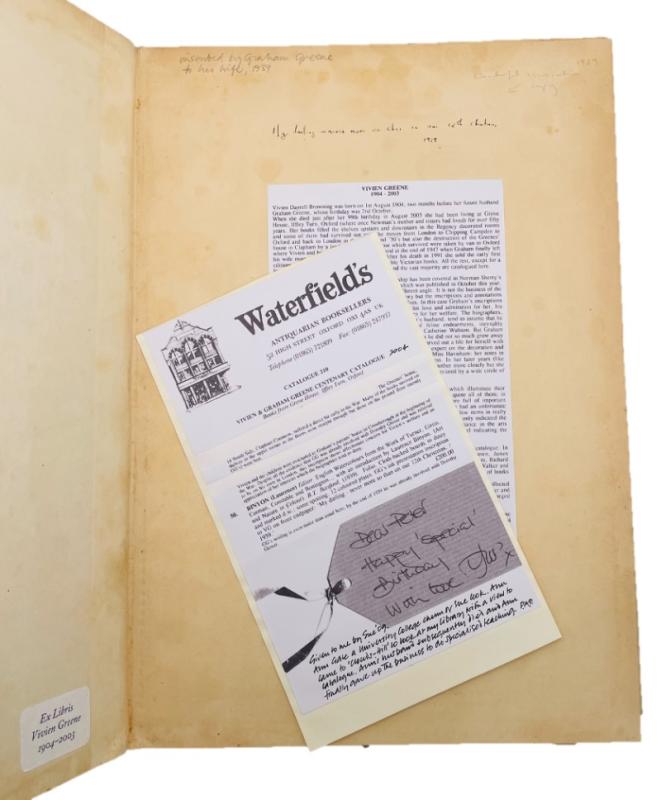
English Watercolours: From the work of Turner, Gir...
[GREENE, Vivien & Graham]; BINYON, Lawrence (ed. & Introduction).
London: B. T. Batsford, Ltd.
£600.00
Offered by Quair Books
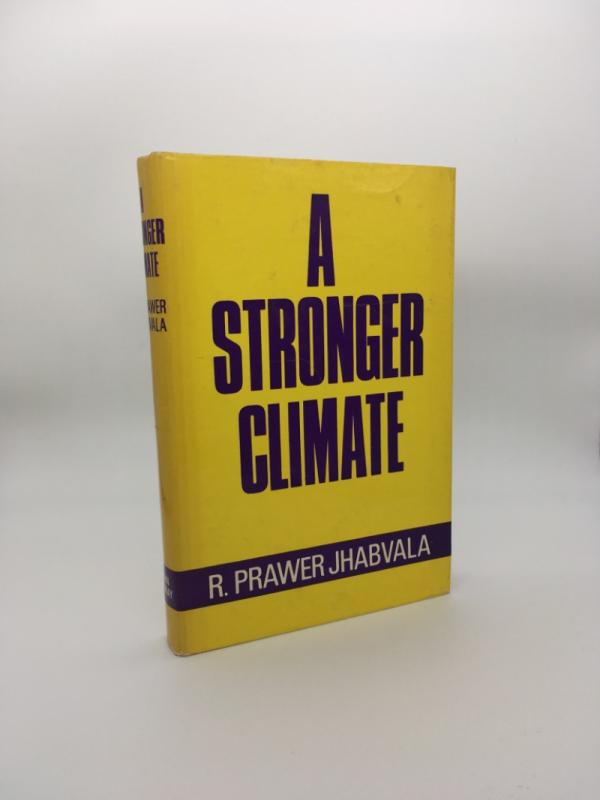
A Stronger Climate: Nine stories
JHABVALA, R. Prawer
London: John Murray
£30.00
Offered by Quair Books
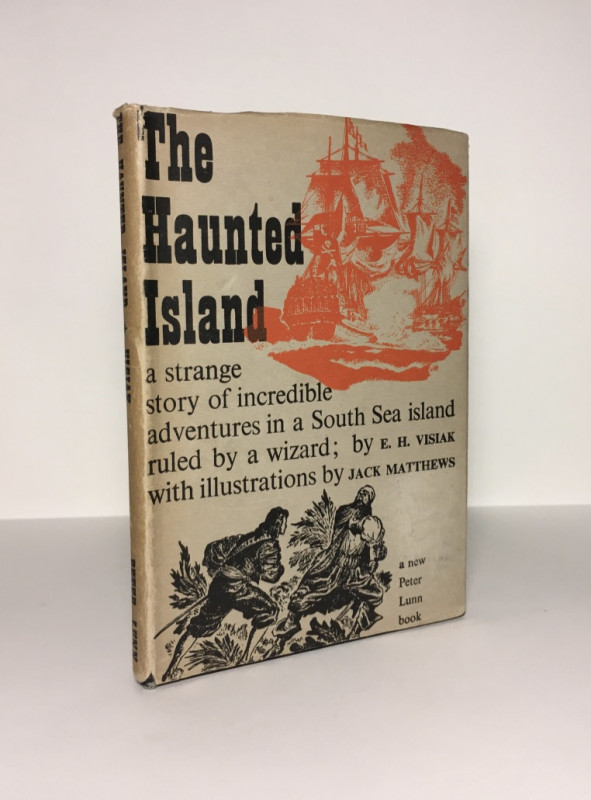
The Haunted Island
VISIAK, E. H.; MATTHEWS, Jack (illustrator)
London: Peter Lunn
£20.00
Offered by Quair Books

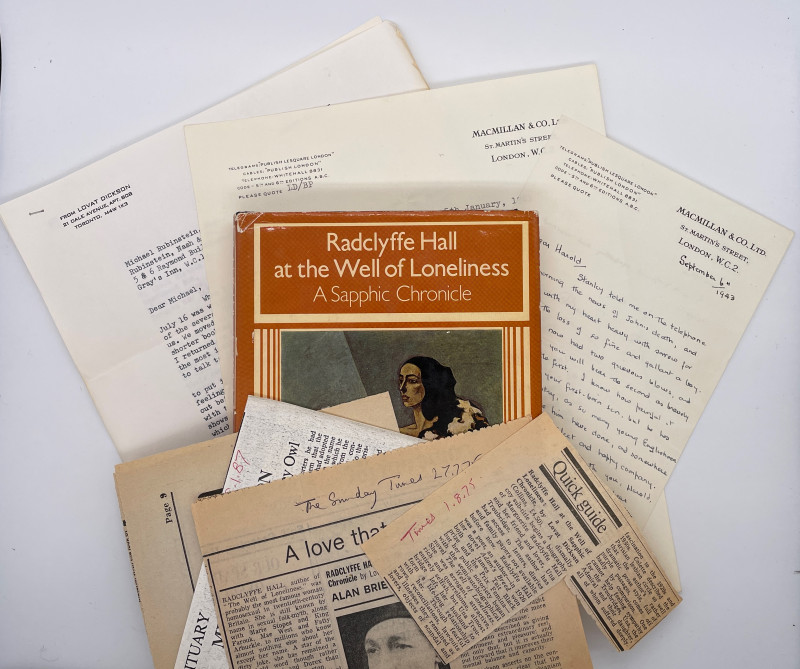
The all-but dedication copy: Radclyffe Hall at the...
LOVAT DICKSON, [Rache]; [RUBINSTEIN, Michael]; [RUBINSTEIN, Harold]
London and Toronto: Collins
£250.00
Offered by Quair Books
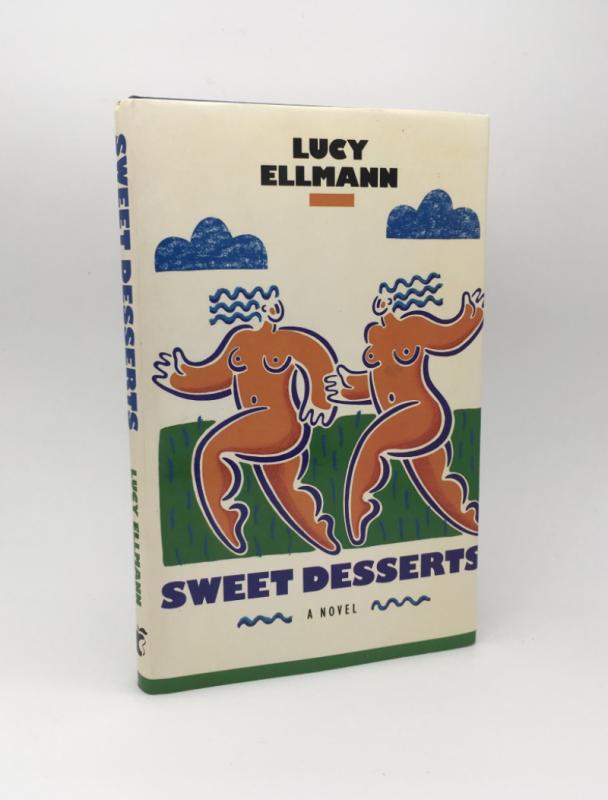
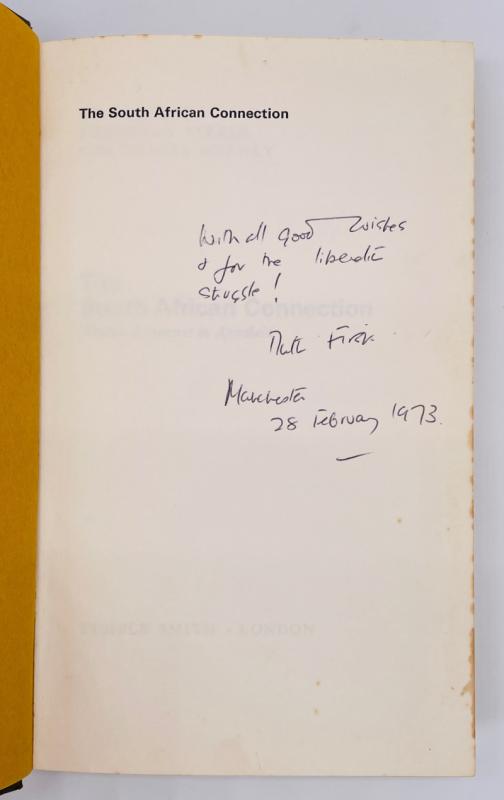
The South African Connection: Western investment i...
FIRST, Ruth, STEELE, Jonathan & GURNEY, Christabel.
London: Temple Smith
£450.00
Offered by Quair Books
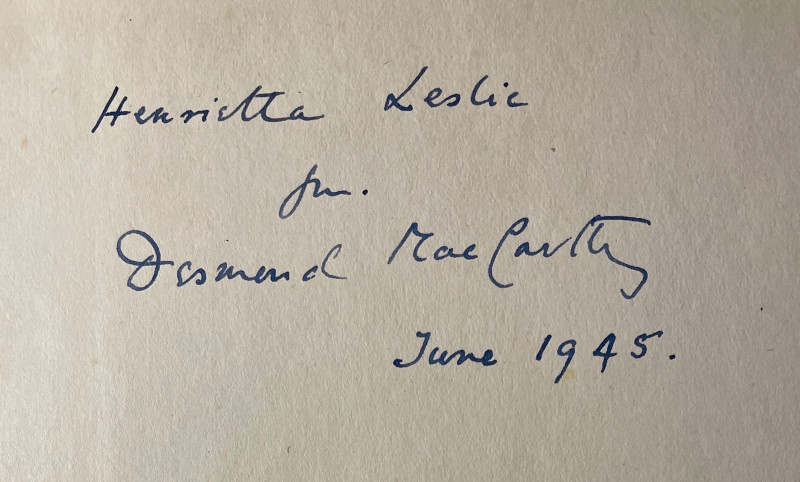
Drama [INSCRIBED]
MacCARTHY, Desmond; [LESLIE, Henrietta pseud. of Henrietta SCHÜTZE]
London & New York: Putnam
£125.00
Offered by Quair Books
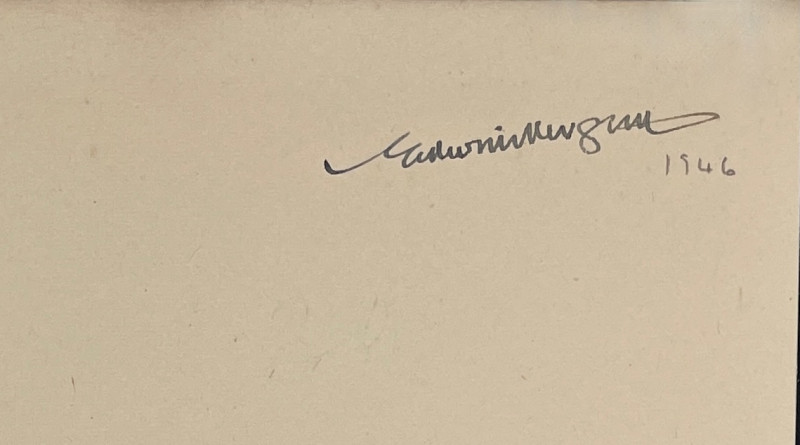
The Song of the Cold [Edwin Morgan's copy]
SITWELL, Edith; [MORGAN, Edwin]
London: Macmillan & Co. Ltd
£75.00
Offered by Quair Books
Friends of the PBFA
Please email info@pbfa.org for more information