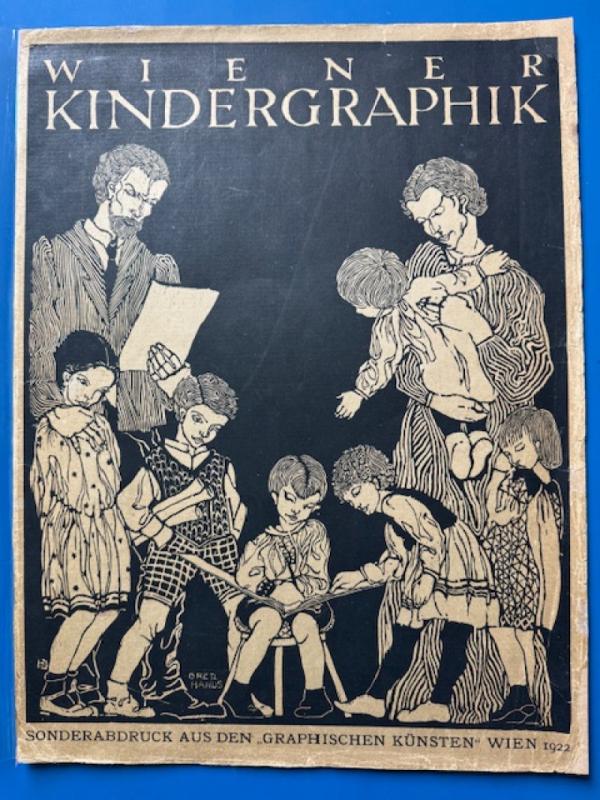
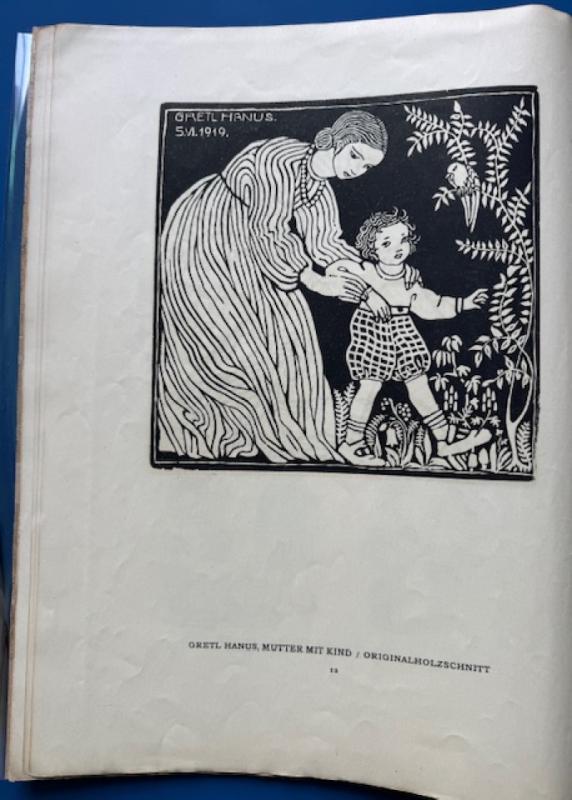
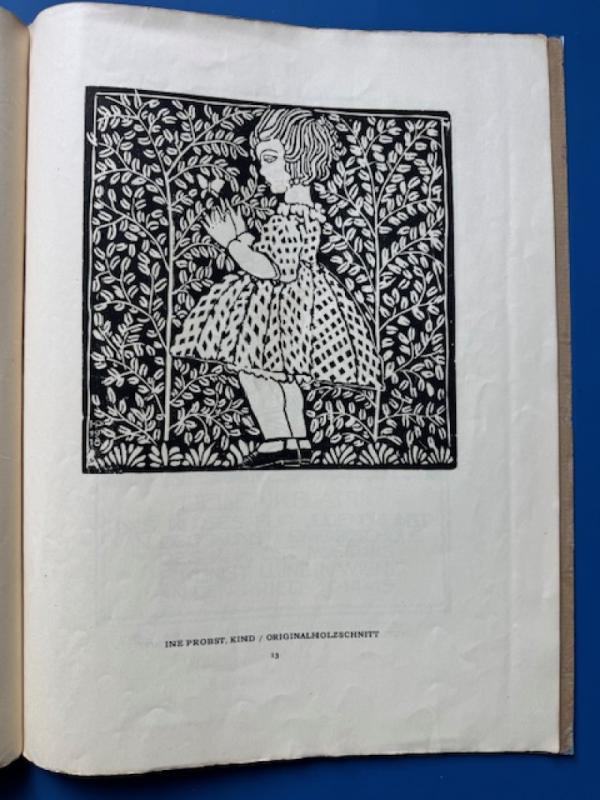
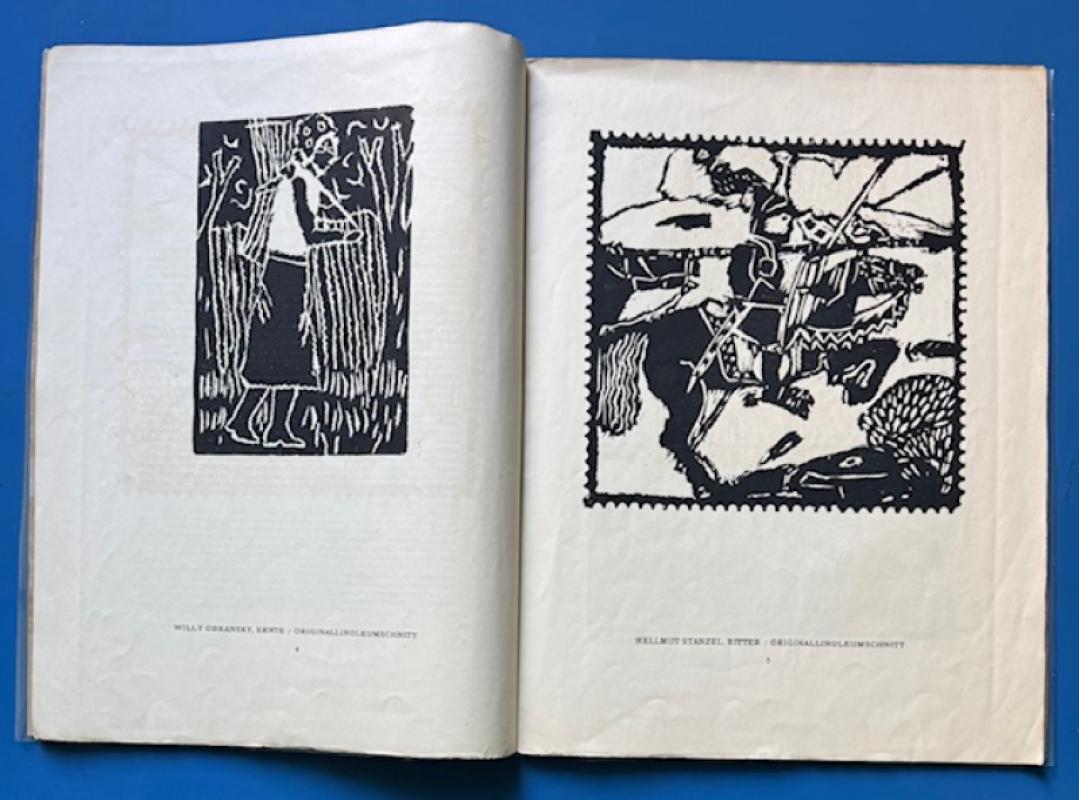
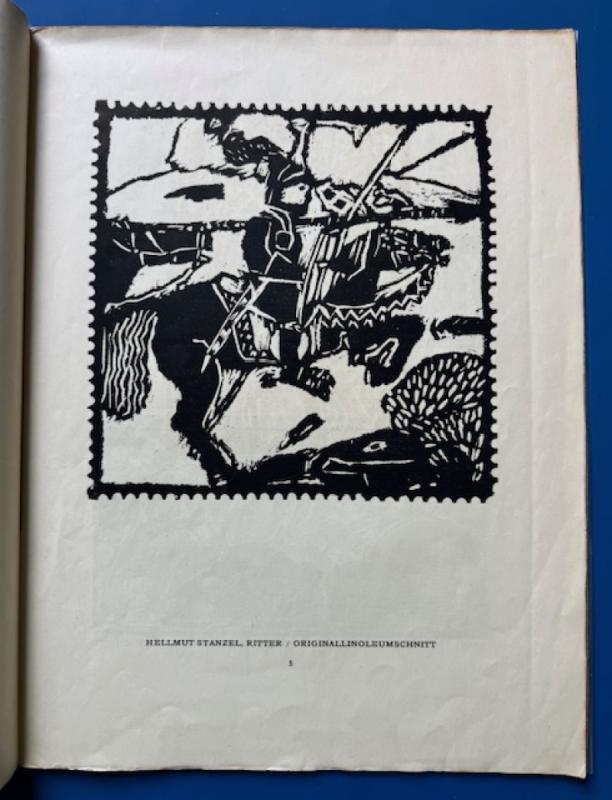
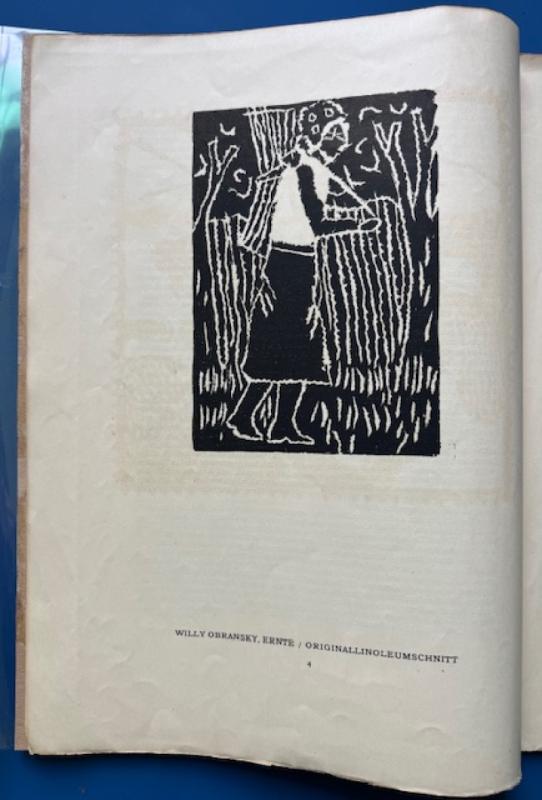
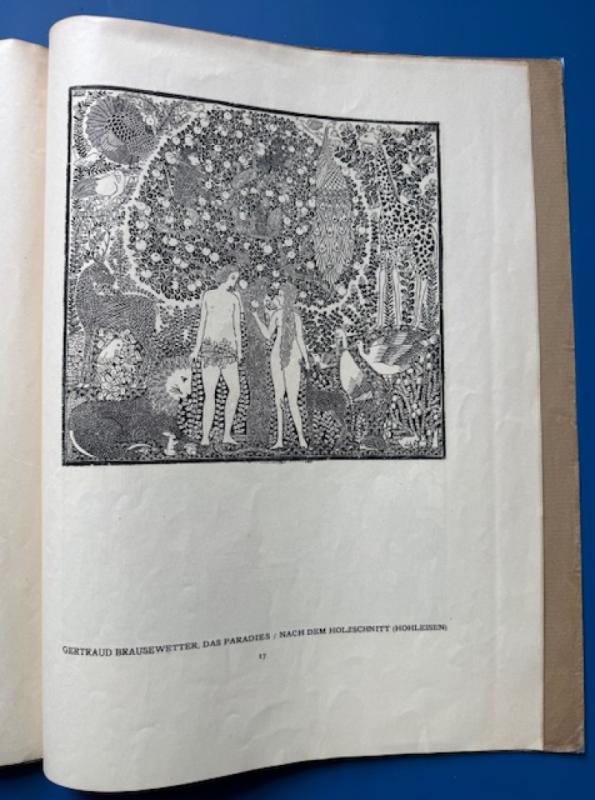
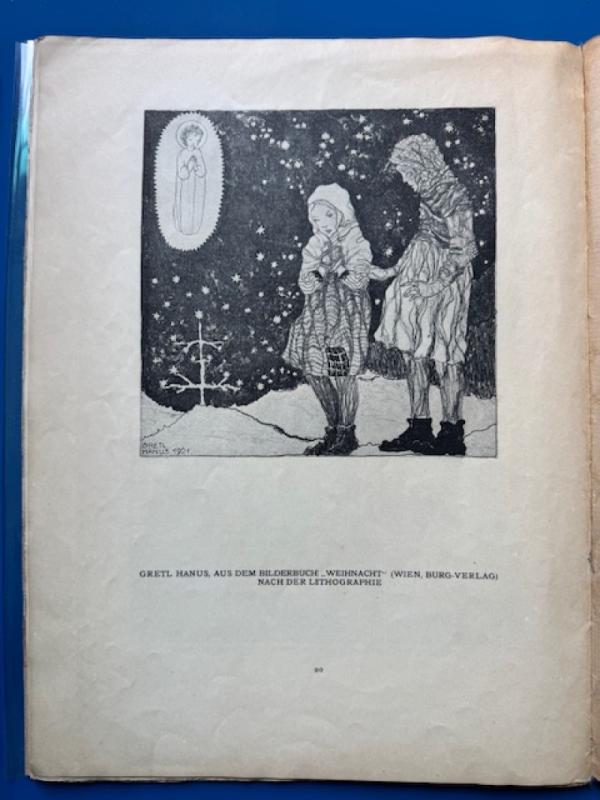
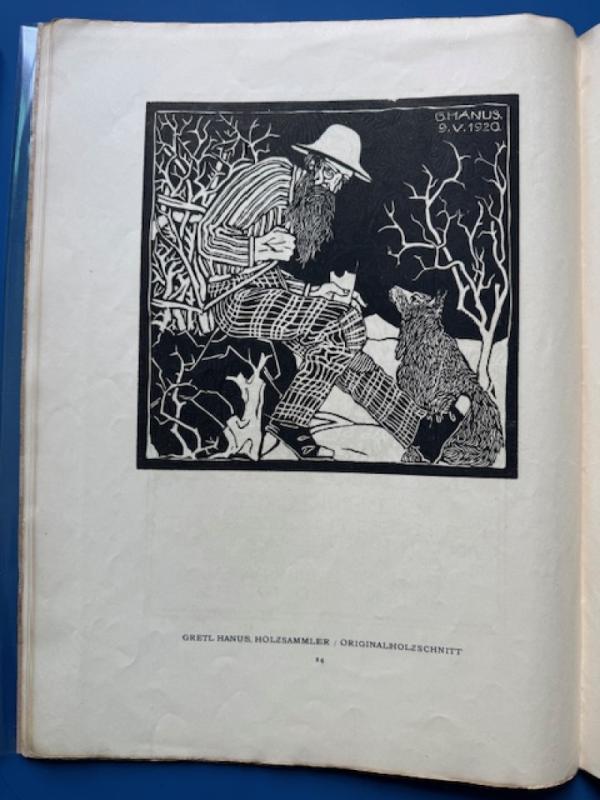
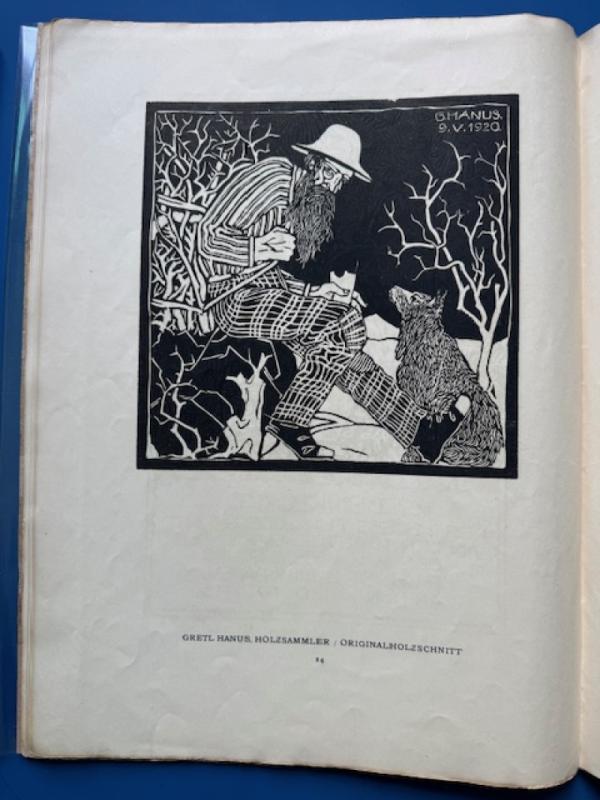
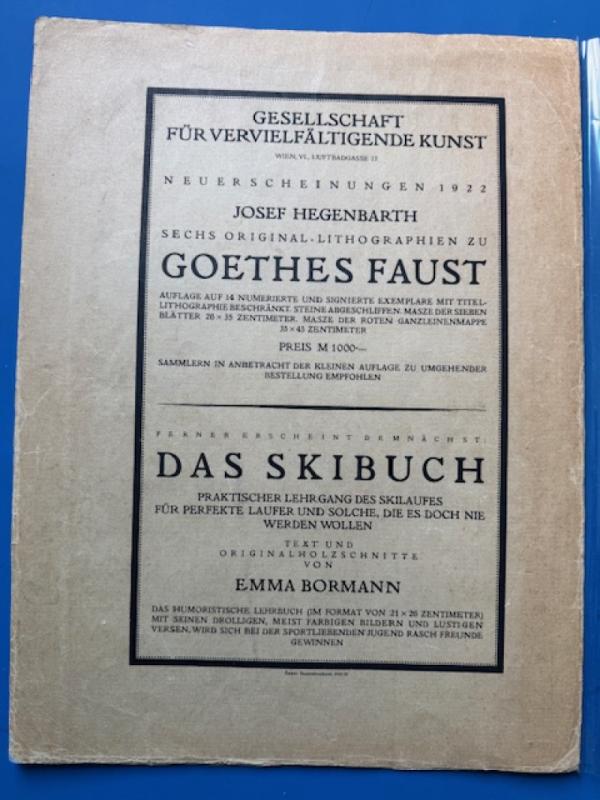
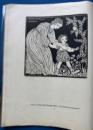
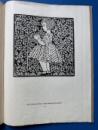
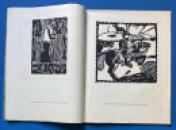
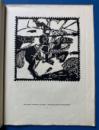
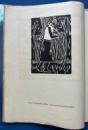
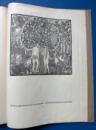
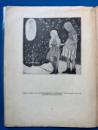
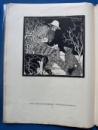
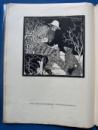
Wiener Kindergraphik. Arbeiten von Schulern der von Professor Franz Cizek geleiteten Jugendklasse an der Wiener Kunstgewerbeschule
Book Description
Dealer Notes
In 1897, Franz Cizek established the Children’s Art Class, or Jugendkunstklasse, and because of its success, it was integrated into the Vienna School of Arts and Crafts, or Kunstgewerbeschule, in 1904. Cizek emphasized producing artwork from imagination or memory by telling stories to the students and communicating detailed descriptions. He stimulated their creativity by encouraging the children to visualize in their minds what they wanted to create in class. Celebrating the child as an equal was also very important to Cizek. By always addressing his students formally in class, Cizek treated each child with respect. Although hundreds of children applied to attend his classes each year, the professor preferred children from rural areas or underprivileged backgrounds rather than wealthy students because their artwork was less likely to be influenced by books, theatre, reproductions or parental authority (Malvern 1995). Always a cheerful and music-filled environment, his classes had no strict organization or format, and at times, there seemed to be no teacher at all. Cizek’s ideas about child art won international acclaim mainly because of his involvement in exhibitions and lectures.In 1908, with the help of his old Secessionist friend, Gustav Klimt, Cizek presented his students’ artwork in exhibitions worldwide. After the touring art shows, teachers from across the globe, impressed with the level of visual mastery by the school-aged children, flocked to Vienna to experience, first-hand, the great innovative work of Cizek and his students. (source: Mark Villalpando, 'Franz Cizek, Juvenile art classes' (2016)).
Wrappers expertly reattached to bookblock (restoration report available)
Price: £1475.00
Offered by Fahrenheit 451 Antiquarian Booksellers
Other books
If you liked the book you've just seen, you might be interested in other books from the same dealer below.
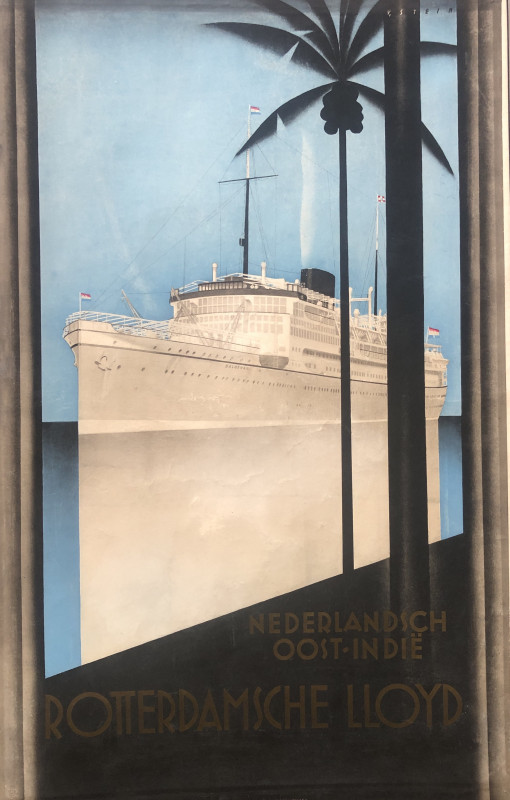
Rotterdamsche Lloyd. [Original vintage poster 1931...
Stein, Johann von (1896-1965)
ned. rotogravure my n.v. leiden/ holland
£5500.00
Offered by Fahrenheit 451 Antiquarian Booksellers
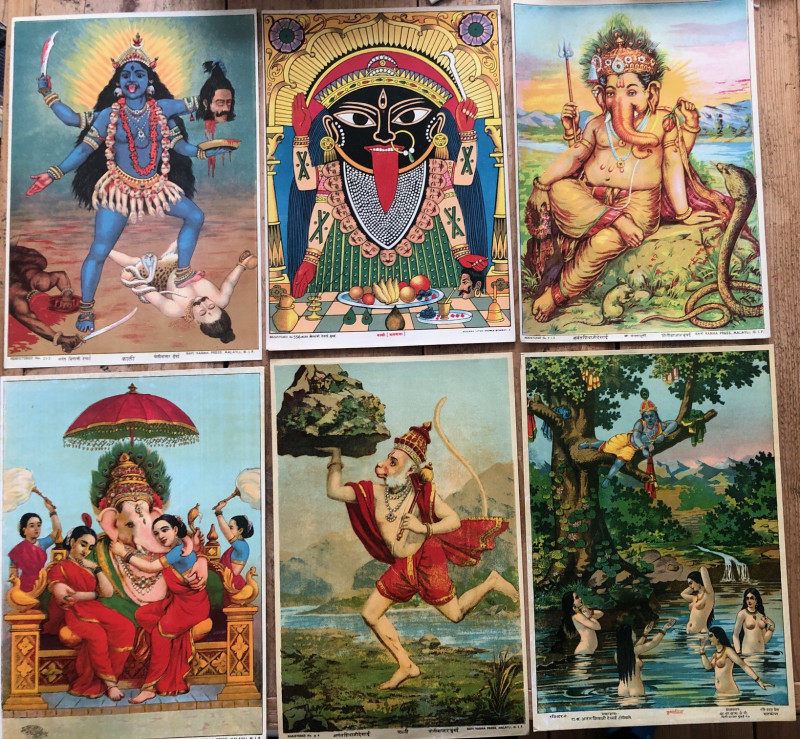
Oleographs, 45 different prints
Raja Ravi Varma Koil Thampuran (29 April 1848–2 October 1906)
Ravi Varma Press Malavli
£60.00
Offered by Fahrenheit 451 Antiquarian Booksellers
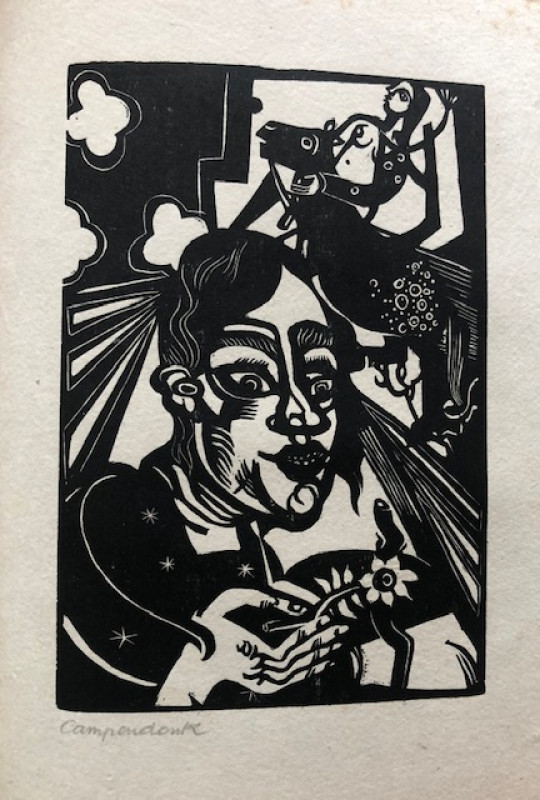
Das Holzschnittbuch. [One of 100 DELUXE COPIES BOU...
Westheim, Paul
Gustav Kiepenheuer
£5000.00
Offered by Fahrenheit 451 Antiquarian Booksellers
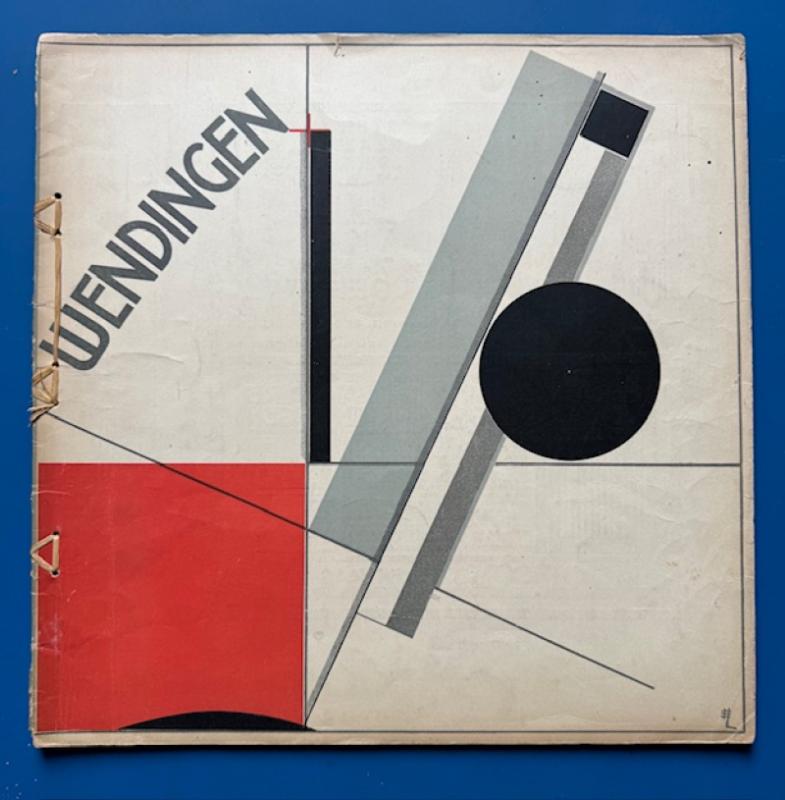
Wendingen. Year 4, no.11 (H.P. Berlage on Frank Ll...
Lissitzky, El
De Hooge Brug
£1875.00
Offered by Fahrenheit 451 Antiquarian Booksellers
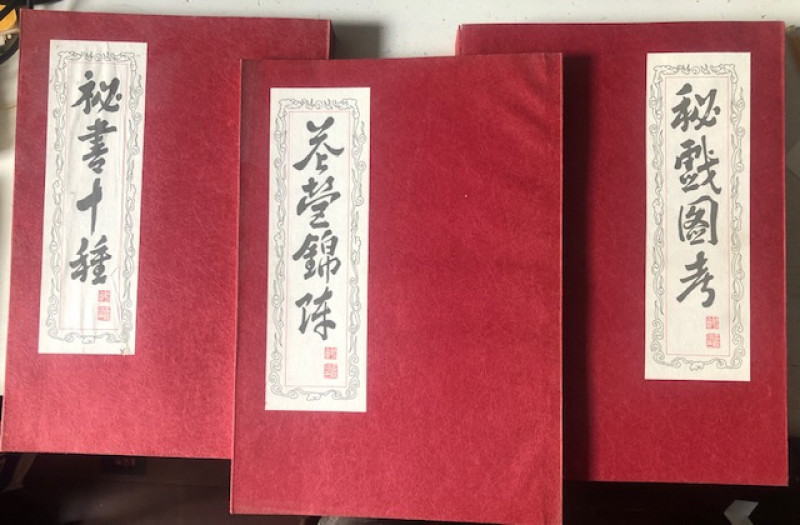
Erotic Colour Prints of the Ming Period with an Es...
Gulik, R.H. van
£650.00
Offered by Fahrenheit 451 Antiquarian Booksellers
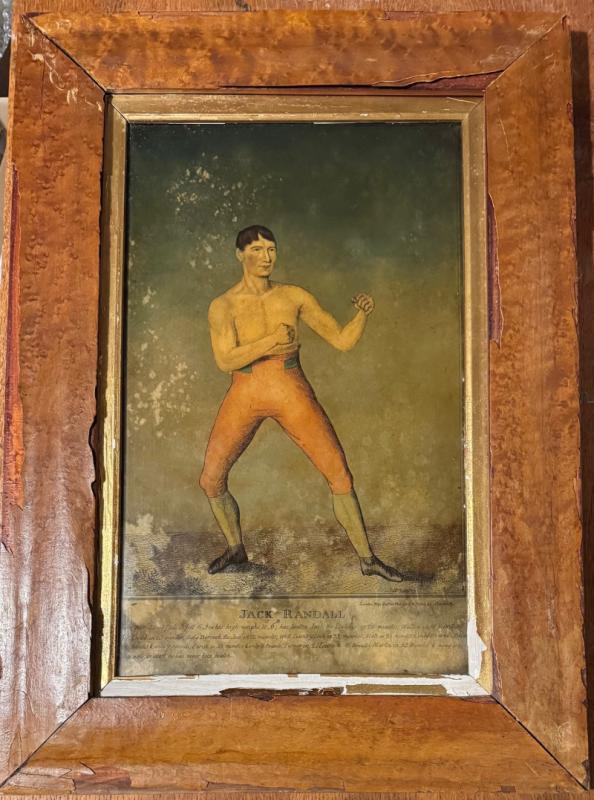
Pair of bare-knuckle fighting or boxing prints fea...
[Boxing]. Anonymous, Randall, Jack (1794-1828).
Fores, London
£975.00
Offered by Fahrenheit 451 Antiquarian Booksellers
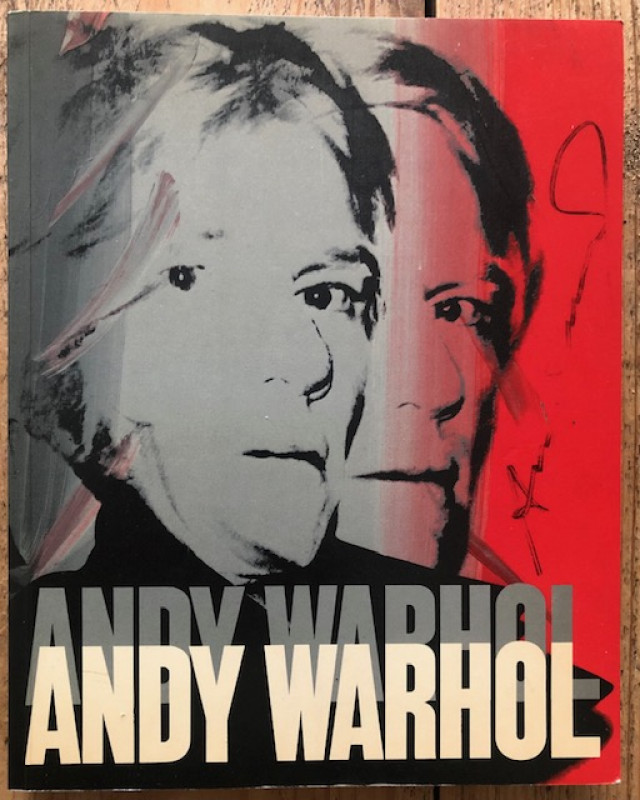
Andy Warhol [SIGNED]. Ein Buch zur Ausstellung. Mi...
Warhol, Andy (1928-1987), Billeter, Erika (ed.).
Kunsthaus Zürich
£900.00
Offered by Fahrenheit 451 Antiquarian Booksellers
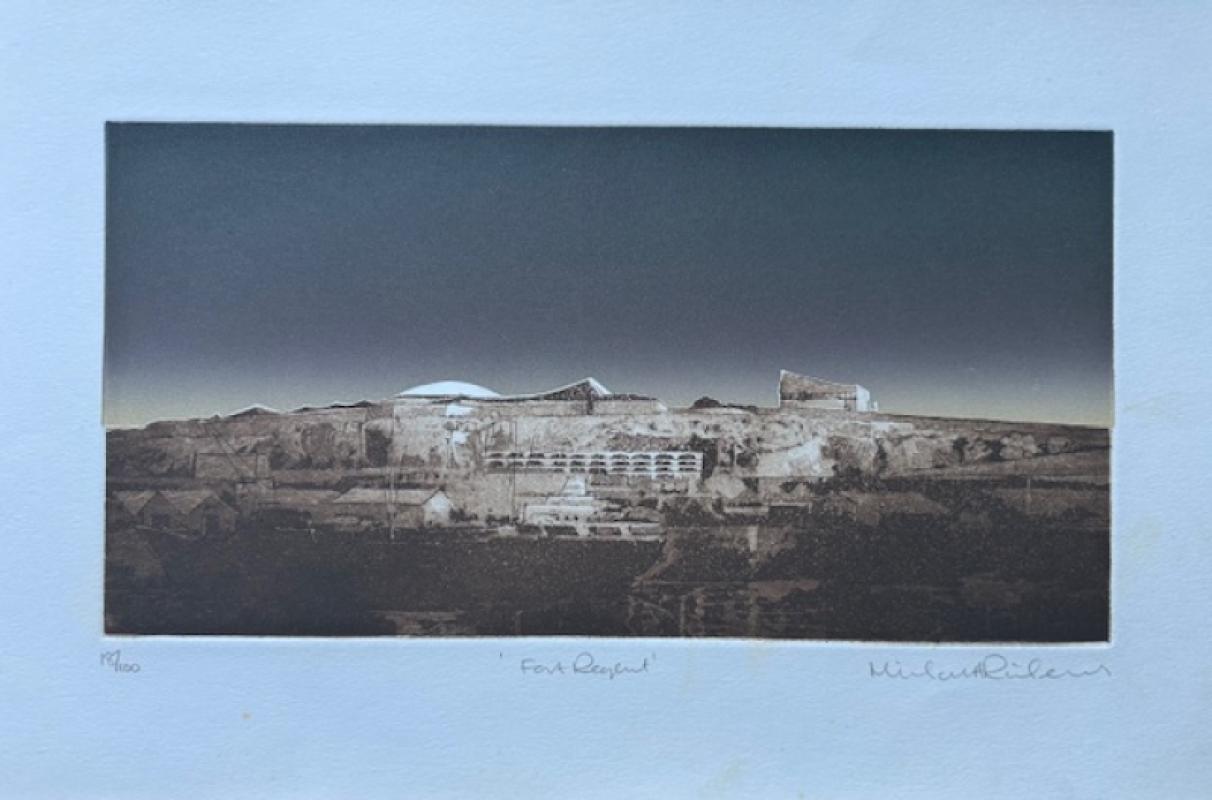
Jersey. 1976. Portfolio containing 12 copperplate...
[Jersey]. Richecoeur, Michael A. (b.1946)
Selective Eye Gallery
£1525.00
Offered by Fahrenheit 451 Antiquarian Booksellers
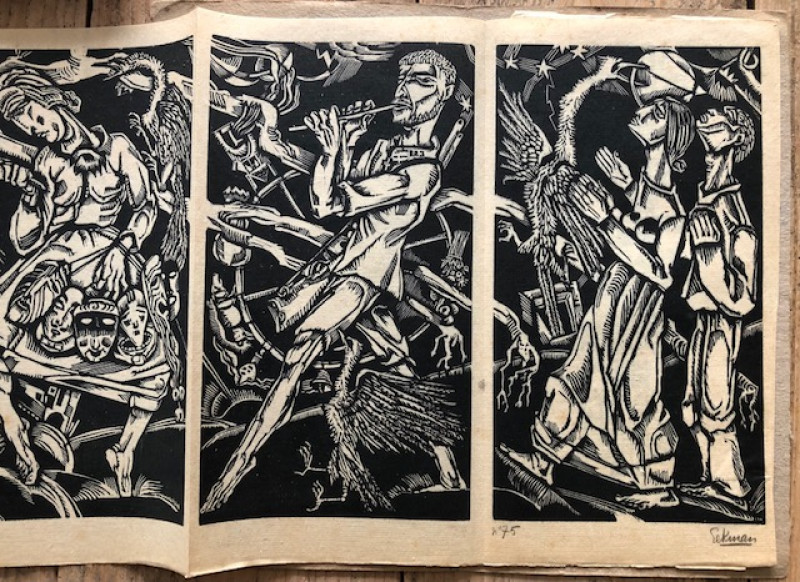
'Dood-Dans in zeven tempo's', 1924. [Dance of Deat...
[Dance of Death]. Eekman, Nico (1889-1973)
n/a
£495.00
Offered by Fahrenheit 451 Antiquarian Booksellers
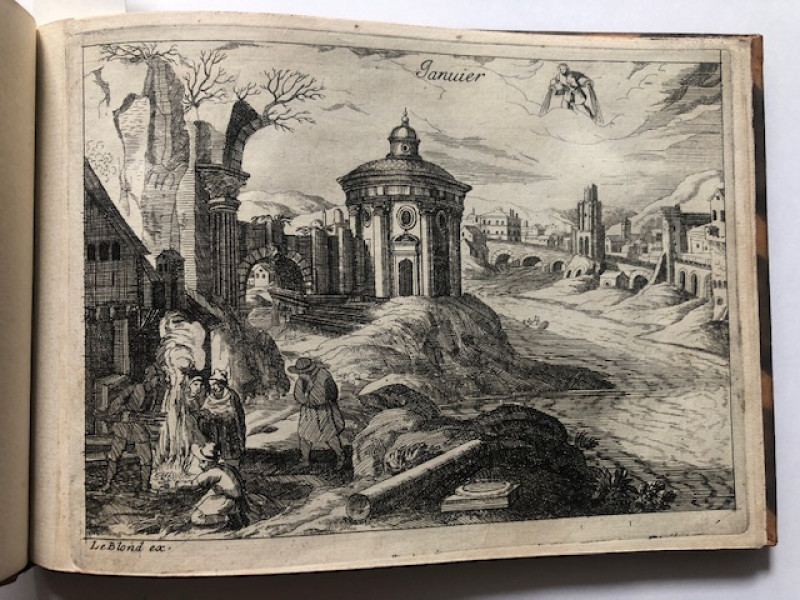
(Months of the year). "Januier" [Janvier] - "Decem...
Le Blond, Jean (ca.1590-1666)
Jean Le Blond
£1900.00
Offered by Fahrenheit 451 Antiquarian Booksellers
Friends of the PBFA
Please email info@pbfa.org for more information